Bringing home a puppy is exciting, heart-melting, and if we’re honest a little overwhelming.
One minute you’re imagining cuddles on the couch. The next, you’re Googling “why is my puppy biting everything?” at midnight.
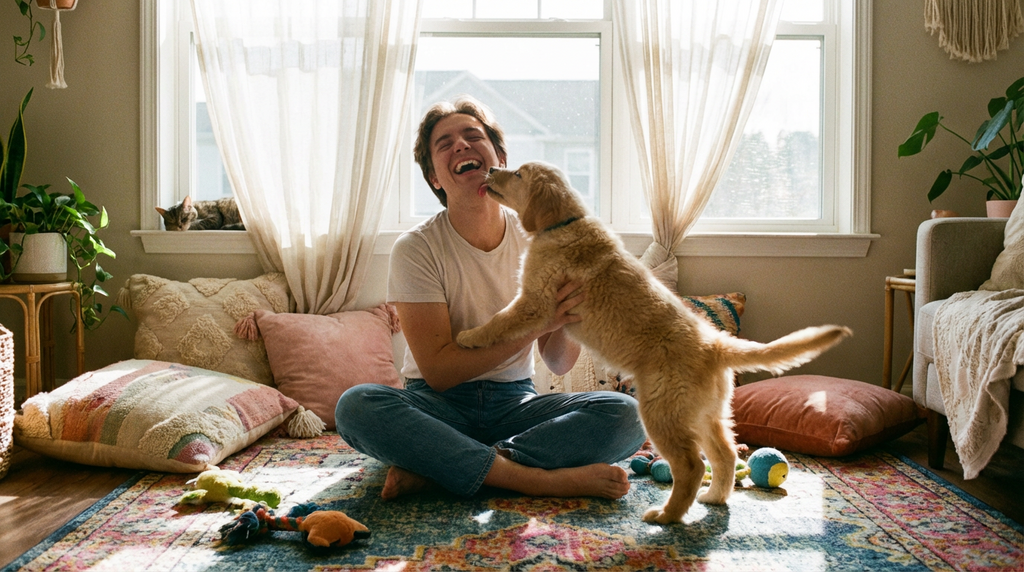
If you’ve never trained a dog before, it can feel like there’s too much advice and no clear starting point. That’s exactly why this simple 7-day puppy training plan exists. To remove the confusion and give you a confident, structured beginning.
Let’s break it down.
What Is the 7-Day Puppy Training Plan?
The 7-day puppy training plan is a beginner-friendly roadway designed to help you:
- Create basic obedience
- Build trust and communication
- Prevent common behavior problems
- Create a daily routine your puppy understands
It’s not about perfection in a week.
It’s about building momentum.
Instead of trying to teach everything at once, you focus on one key foundation per day. By the end of the week, you’ll have:
- A puppy that responds to their name
- Early impulse control
- A clear house-training rhythm
- Stronger bonding and trust
And most importantly, you’ll feel in control.
Why It Matters Now (Not “Someday”)
Here’s something many new dog owners don’t realize:
Puppies are always learning, even when you’re not intentionally training them.
Every jump that gets attention.
Every bite that gets a laugh.
Every ignored command.
Those moments shape future behavior.
The first few weeks set the tone for:
- Obedience
- Confidence
- Calmness
- Respect
If you delay structure, your puppy builds habits you’ll later have to undo.
But when you start early with a simple plan, you prevent 80% of common behavior issues before they grow.
That’s powerful.
The Simple 7-Day Puppy Training Plan
Each day builds on the last. Keep sessions short (5–10 minutes), positive, and consistent.
Day 1: Name Recognition & Focus
Goal: Your puppy turns to you when you say their name.
How:
- Say your puppy’s name once.
- When they look at you, reward immediately.
- Repeat 10–15 times in short bursts.
Why it matters:
Attention is the foundation of all obedience. If your puppy doesn’t look at you, they can’t follow commands.
Tip: Never use their name in a negative tone. Keep it positive.
Day 2: Sit Command
Goal: Teach “Sit” as your first obedience anchor.
How:
- Hold a treat above their nose.
- Slowly move it backward over their head.
- As their bottom touches the floor, say “Sit” and reward.
Why it matters:
Sit becomes your control switch before meals, before walks, before greeting guests.
You’re teaching impulse control early.
Day 3: Crate Introduction
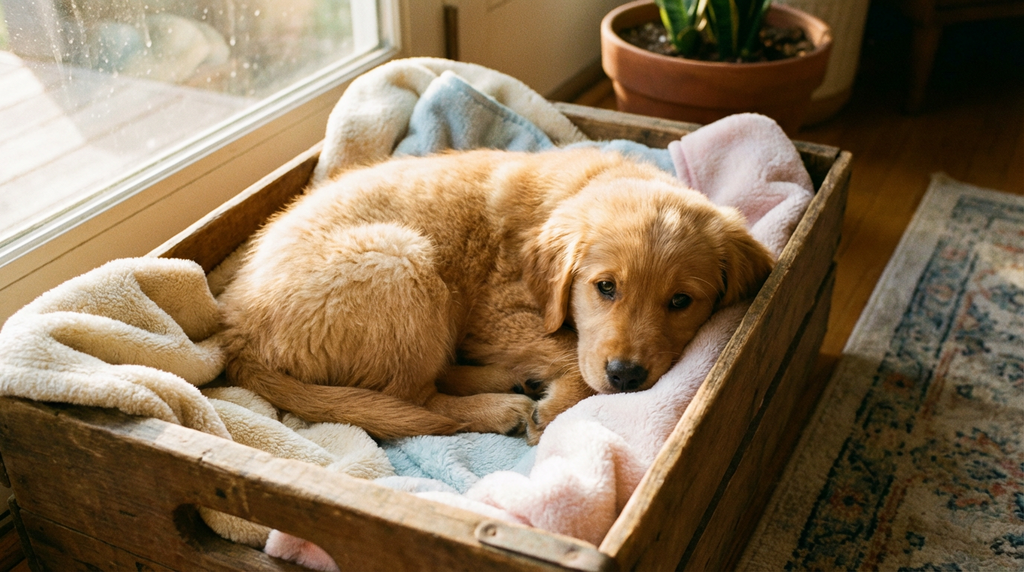
Goal: Make the crate a safe, calm space.
How:
- Toss treats into the crate.
- Allow your puppy to enter freely.
- Praise calmly.
- Start with short 5-minute intervals.
Why it matters:
Crate training helps with:
- Housebreaking
- Preventing destructive behavior
- Building independence
Day 4: House Training Rhythm
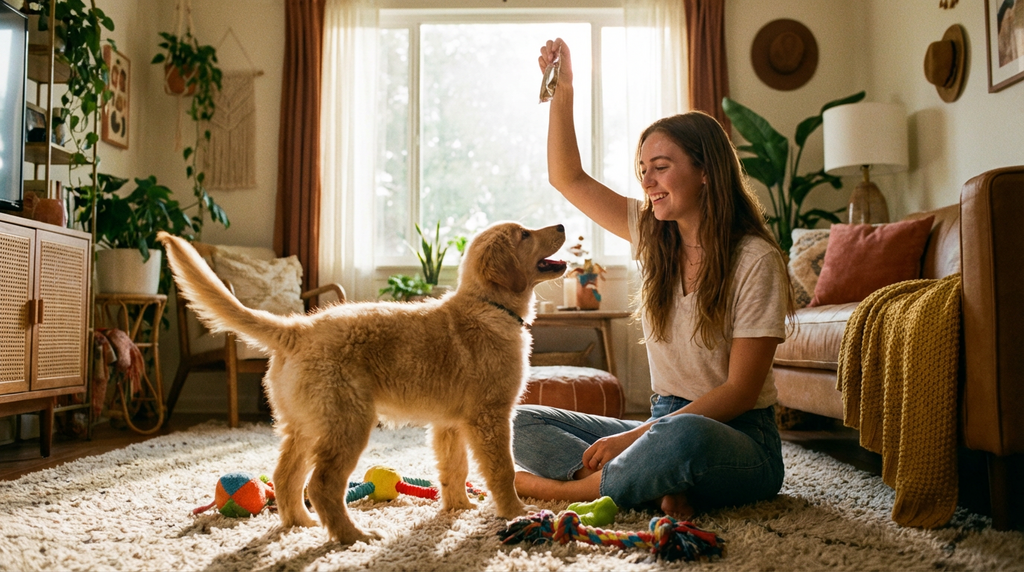
Goal: Set up bathroom consistency.
How:
- Take your puppy out every 2–3 hours.
- Right after waking.
- After meals.
- After play sessions.
Reward right away after they go outside.
Why it matters:
Consistency builds clarity. Puppies thrive on predictable routines.
Most accidents happen because humans miss timing, not because puppies are stubborn.
Day 5: “Leave It”
Goal: Prevent chewing and unsafe grabbing.
How:
- Hold a treat in your closed hand.
- Let your puppy sniff.
- When they stop trying to get it, say “Leave it” and reward with a different treat.
Why it matters:
This command protects:
- Shoes
- Furniture
- Dangerous objects
It’s a confidence-builder for you and a safety net for your puppy.
Day 6: Leash Introduction
Goal: Calm leash exposure without pulling.
How:
- Let your puppy wear the leash indoors first.
- Reward calm walking beside you.
- Stop moving when they pull.
Why it matters:
Early leash training prevents years of frustration.
You’re teaching that pulling doesn’t get results, but calm walking does.
Day 7: Recall (“Come”)
Goal: Build reliable response when called.
How:
- Get low and open your arms.
- Say “Come!” in a happy tone.
- Reward heavily when they reach you.
Why it matters:
Recall can protect your puppy’s life in emergencies.
Make it the happiest command they know.
Common Beginner Mistakes to Avoid
Even with a plan, beginners often:
- Train too long (keep sessions short)
- Repeat commands endlessly
- Inconsistently reward
- Show frustration
Remember: puppies learn best through calm repetition and positive reinforcement.
Progress beats perfection.
How You’ll Feel in 7 Days
Imagine this:
Your puppy looks at you when you call their name.
They sit before meals.
They enter the crate without fear.
Accidents decrease.
You’re not stressed. You’re structured.
That shift from chaos to clarity is what builds long-term obedience.
And it starts now.
Want the Full Step-by-Step System?
This 7-day plan is your foundation.
But if you want:
- A full obedience roadway
- Detailed video demonstrations
- Troubleshooting for biting, barking, and jumping
- A structured long-term training framework
Then it’s time to go deeper.
👉 Click here to access the full puppy training system now:
Don’t wait until small issues become big problems.
Start shaping the dog you’ll be proud of today.
Your puppy is learning anyway.
Make sure they’re learning the right things.
FAQ Section
1. How long does it really take to see results with the 7-day puppy training plan?
Most beginners notice improvements in focus, responsiveness, and routine within the first week. Yet, consistency beyond the first 7 days is what solidifies long-term obedience.
2. Is the 7-day puppy training plan suitable for older puppies?
Yes. While early training is ideal, this plan works well for puppies up to 6–8 months old. You may simply need slightly more repetition if habits are already forming.
3. What if my puppy doesn’t respond right away?
That’s normal. Puppies have short attention spans. Keep sessions under 10 minutes, use high-value rewards, and stay patient. Progress builds through repetition and positive reinforcement.
4. Do I need special equipment for this training plan?
No special tools are required. You’ll only need:
- Small training treats
- A leash
- A crate
- A quiet training space
Simplicity increases consistency.
5. Can I train my puppy without hiring a professional trainer?
Absolutely. Many first-time dog owners successfully train their puppies at home using structured systems. Professional trainers are helpful for severe behavioral issues, but most foundational obedience can be built independently.
6. What happens after the first 7 days?
The first week builds attention, structure, and early obedience. After that, you should continue reinforcing commands. Increase distractions gradually. Expand into advanced behaviors like longer “stay.” Practice loose-leash walking outdoors and improve recall.
Helpful External Resources
If you’d like to explore trusted, science-backed guidance alongside this 7-day puppy training plan. Here are two highly respected resources. For expert-backed puppy care and training fundamentals, visit the American Kennel Club (AKC) Training Resources.
They offer structured guidance on obedience, crate training, socialization, and developmental stages. You can also explore positive reinforcement techniques and behavior advice from the
Humane Society Dog Training Guide. Their step-by-step tips are especially helpful for first-time puppy owners who want humane, effective training strategies.