
If you’re searching for “dog crate training mistakes to avoid,” chances are something isn’t going as planned.
Maybe your puppy cries the moment you close the crate door.
Maybe your rescue dog refuses to go inside at all.
Or maybe you’re lying awake at 2 a.m., wondering if you’re somehow doing more harm than good.
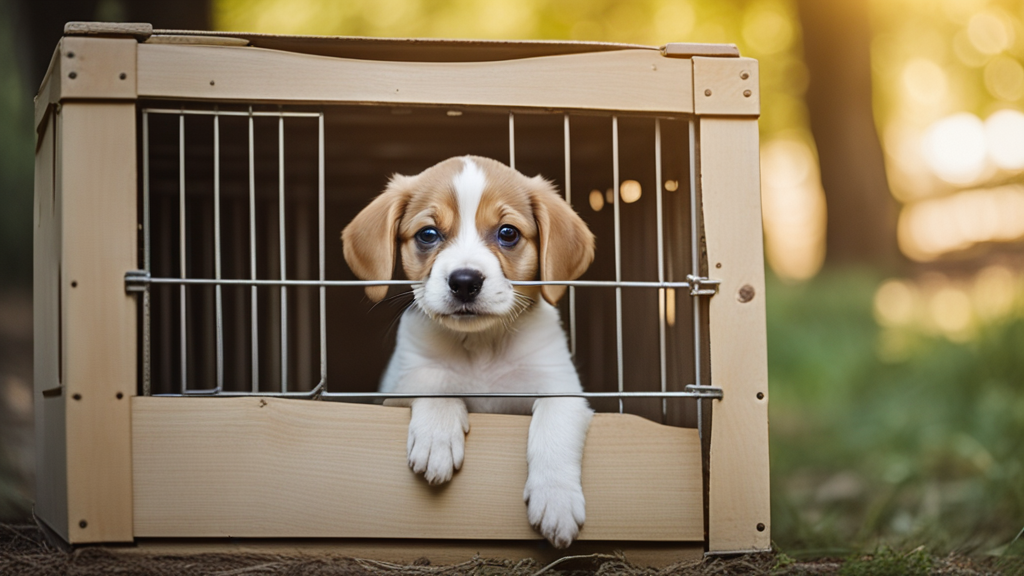
You don’t want a traumatized dog.
You don’t want accidents on the carpet.
You just want a well-adjusted, house-trained companion who feels safe and gives you back your freedom.
You’re not alone.
This guide will walk you through the most common crate training mistakes. It will explain why they happen and how to fix them. This way, you can build trust, structure, and long-term success.
Understanding the Real Purpose of Crate Training
Before diving into the mistakes, we need to clarify something critical:
A crate is not a cage for confinement.
It’s a management and safety tool rooted in canine behavioral science.
Dogs are den animals by instinct. When introduced correctly, a crate becomes:
- A secure retreat
- A house-training accelerator
- A way to prevent destructive behaviors
- A calm-down space during over-stimulation
The American Veterinary Medical Association and leading canine behaviorists consistently emphasize that proper crate training builds predictability. It creates security. It does not create fear.
When done wrong, however, crate training can create anxiety, resistance, and behavioral regression.
Let’s examine where most owners unintentionally go off track.
1. Using the Crate as Punishment
The Mistake:
Sending your dog to the crate after misbehavior.
Why It Backfires:
Dogs form associations quickly. If the crate becomes linked to scolding or isolation, it shifts from “safe den” to “negative consequence.”
That single emotional pairing can undo weeks of progress.
The Long-Term Cost:
- Increased crate resistance
- Heightened separation anxiety
- Fear-based behaviors
What to Do Instead:
Position the crate as a rewarded space:
- Toss treats inside
- Feed meals in the crate
- Offer high-value chews only when crated
The crate should signal safety and positive predictability, not social rejection.
2. Forcing Your Dog Into the Crate
The Mistake:
Physically placing or pushing your dog inside.
Why It Backfires:
This removes agency. Loss of control is one of the primary triggers of canine stress responses.
A dog who feels trapped learns to resist harder next time.
Better Approach:
Use shaping techniques:
- Let the dog approach voluntarily
- Reward small steps (sniffing, stepping in, sitting inside)
- Gradually increase duration
This aligns with positive reinforcement training principles and builds internal confidence instead of compliance through fear.
3. Leaving Your Dog in the Crate Too Long
One of the most common crate training mistakes to avoid is overusing the crate.
General Time Guidelines:
- 8–10 weeks: 30–60 minutes
- 3–6 months: 2–3 hours
- Adult dogs: 4–6 hours (maximum in most cases)
Dogs need:
- Movement
- Social interaction
- Mental stimulation
Excessive confinement can lead to:
- Muscle stiffness
- Frustration behaviors
- House-soiling
- Emotional shutdown
Crate training supports freedom but only when balanced with enrichment and exercise.
4. Choosing the Wrong Crate Size
This mistake is more common than people think.
Too Large:
Dogs eliminate in one corner and sleep in another, slowing house training.
Too Small:
Restricted movement creates discomfort and stress.
Correct Sizing Rule:
Your dog should be able to:
- Stand fully upright
- Turn around comfortably
- Lie down stretched out
For growing puppies, adjustable divider panels are ideal.
Proper sizing directly impacts house-training success rates.
5. Ignoring Emotional State During Training
Many owners focus on mechanics (“in crate = treat”) but overlook emotional signals.
Watch for:
- Excessive panting
- Drooling
- Whining escalating to panic
- Refusal to enter even with rewards
If these, your dog is experiencing crate anxiety, not normal adjustment.
Correction Strategy:
Scale back.
Shorten duration.
Increase positive associations.
Behavioral science calls this “systematic desensitization,” gradual exposure paired with positive reinforcement.
Slow is fast when it comes to emotional conditioning.
6. Making the Crate Too Stimulating
It’s natural to want to make the crate cozy. But overloading it can backfire.
Avoid:
- Excessive toys
- High-traffic placement
- Loud TV noise
The crate should feel like a calm, low-arousal environment.
Place it:
- In a quiet area
- Near (but not in the middle of) family activity
- Away from drafts or extreme temperatures
The goal is emotional regulation, not entertainment.
7. Letting Crying Automatically Mean “Rescue”
This is one of the most misunderstood areas.
Important Distinction:
- Protest whining (brief, fading)
- Panic crying (intense, escalating)
If you immediately open the crate at the first sound, you reinforce noise as a release strategy.
Instead:
- Wait for a brief pause in whining
- Then calmly release
However, if signs of panic are present (drooling, frantic scratching, high-pitched distress), reassess your training pace.
Nuance matters here.
8. Skipping Gradual Alone-Time Conditioning
A major hidden mistake: using the crate only when leaving the house.
This creates a predictive pattern:
Crate = abandonment.
Instead:
- Practice short crate sessions while you’re home
- Move around casually
- Normalize the experience
This builds independence without triggering separation anxiety.
9. Expecting Overnight Results
Crate training is not instant.
Puppies typically take:
- 2–4 weeks for reliable comfort
- Longer for rescue dogs with unknown histories
Frustration often leads to inconsistent training, which confuses the dog.
Consistency builds clarity.
Clarity builds confidence.
Confidence builds long-term behavioral stability.
10. Not Transitioning Properly Out of the Crate
Crates are tools, not permanent housing.
Signs your dog is ready for more freedom:
- Fully house-trained
- No destructive behavior
- Calm alone for extended periods
Gradual transitions:
- Leave crate door open
- Allow supervised free roaming
- Increase access slowly
The end goal isn’t dependence on the crate it’s self-regulation.
The Hidden Cost of Crate Training Mistakes
When crate training goes wrong, the consequences aren’t just logistical.
They affect:
- Trust between you and your dog
- Household stress levels
- Long-term behavioral stability
- Your own freedom and confidence as an owner
Many behavior issues later labeled as “stubbornness” or “anxiety” actually trace back to early management errors.
Fixing them later requires significantly more time and effort than doing it correctly from the start.
A Simple Framework for Successful Crate Training
To avoid the most common dog crate training mistakes, follow this 4-part structure:
1. Association
Crate = food, calm, safety.
2. Gradual Exposure
Increase time slowly and systematically.
3. Emotional Monitoring
Watch body language, not just behavior.
4. Balanced Freedom
Pair crate time with exercise and enrichment.
This framework aligns with modern positive reinforcement training endorsed by veterinary behaviorists.
Common Objections (And Calm Answers)
“Isn’t crate training cruel?”
When done correctly, no.
When misused, yes.
The difference lies in duration, association, and emotional handling.
“My dog hates the crate. Should I give up?”
Not necessarily.
But you need to reset the process and reintroduce it properly.
“What if I work full-time?”
Consider:
- Dog walkers
- Doggy daycare (occasionally)
- A larger safe confinement area (like a playpen)
Crates are management tools, not substitutes for interaction.
The Bigger Picture: Why This Matters
At its core, crate training isn’t about obedience.
It’s about:
- Creating emotional security
- Preventing preventable stress
- Building structured independence
- Giving both you and your dog peace of mind
A calm dog changes everything:
- Easier travel
- Fewer accidents
- Reduced anxiety
- Greater freedom for your lifestyle
You’re not just training behavior.
You’re shaping long-term emotional resilience.
Build Safety, Not Resistance
If you’ve made some of these crate training mistakes, don’t panic.
Dogs are incredibly adaptable.
What matters most is what you do next.
Rebuild positive associations.
Slow the process down.
Stay consistent.
If you wish to explore further, consider evidence-based training resources. Alternatively, consult a certified professional dog trainer (CPDT-KA) specializing in positive reinforcement methods.
Your dog doesn’t need perfection.
They need clarity, safety, and patience.
Start there, and everything else becomes easier.
Below are SEO-optimized FAQ sections tailored for each article.
They are structured for clarity, featured snippet potential, and schema markup compatibility.
FAQ Section: Dog Crate Training Mistakes to Avoid
1. What are the most common dog crate training mistakes to avoid?
The most common dog crate training mistakes include using the crate as punishment. They also involve leaving your dog inside too long, choosing the wrong crate size, forcing entry, and progressing too quickly. These errors can create anxiety and resistance instead of comfort and security.
2. Can crate training cause anxiety in dogs?
Yes, crate training can cause anxiety if it’s rushed, inconsistent, or associated with negative experiences. Proper crate training should build positive associations and gradual independence not fear or confinement stress.
3. How long is too long to leave a dog in a crate?
Puppies under 6 months should not be crated longer than 2–3 hours at a time during the day. Adult dogs typically shouldn’t exceed 4–6 hours. Extended confinement can lead to stress, muscle stiffness, and behavioral issues.
4. Should I ignore my dog crying in the crate?
Brief whining is normal during adjustment. However, intense, escalating crying can indicate panic. It’s important to distinguish between protest whining and true distress before deciding whether to intervene.
5. Is it ever okay to use the crate as discipline?
No. Using the crate as punishment is one of the biggest dog crate training mistakes to avoid. The crate should always represent safety and calm, not correction or isolation.
6. How do I fix crate training mistakes after they happen?
Reset the process by reintroducing the crate slowly with positive reinforcement. Short sessions, food rewards, calm behavior modeling, and gradual duration increases can rebuild trust and comfort.
Recommended Resources
For additional expert guidance on proper crate training techniques, review the American Kennel Club’s training resources at AKC Training Advice.
To avoid common behavioral setbacks, check the Humane Society’s crate training recommendations at Humane Society Crate Training Guide. Both provide evidence-based insights to help ensure your dog develops healthy crate associations.