Category: Canine History & Breed Insight

  • The Collie Dog: A Complete Guide to Temperament, Care, and Choosing the Right Companion

    You’ve seen the image before.

    A graceful dog with a flowing coat, intelligent eyes, and an unmistakable presence, alert, loyal, almost watchful.

    Maybe you’re considering bringing one home.
    Maybe you grew up watching Lassie and are wondering if the real-life version matches the legend.
    Or maybe you’re trying to decide if the Collie dog is the right fit for your family, space, and lifestyle.

    Beneath the beauty and reputation lies a practical question:

    Is the Collie truly the right dog for me?

    This guide will answer that clearly, not romantically, not critically, but realistically.

    Understanding the Avatar: Who Is Researching The Collie Dog?

    If you’re searching for “the Collie dog,” your intent is informational with light commercial interest.

    You are:

    • A prospective dog owner comparing breeds
    • A family evaluating temperament and safety
    • An active individual looking for an intelligent companion
    • Someone seeking a loyal, trainable, emotionally attuned dog

    Your Emotional State:

    • Curious but cautious
    • Inspired by the breed’s reputation
    • Concerned about grooming or health issues
    • Wanting to avoid choosing the wrong dog

    Your deeper drivers?

    • Security (a safe, gentle family companion)
    • Status (a beautiful, respected breed)
    • Freedom (a dog that fits your lifestyle)
    • Long-term stability (10–14 years is a serious commitment)

    Let’s examine the breed with clarity.

    What Is The Collie Dog?

    The Collie is a herding breed originally developed in Scotland and Northern England.

    There are two primary types:

    1. Rough Collie

    • Long, flowing coat
    • Most recognized due to media exposure

    2. Smooth Collie

    • Short, dense coat
    • Same temperament, less grooming

    Both share similar physical and behavioral traits.

    They are medium-to-large dogs, typically:

    • 50–75 pounds
    • 22–26 inches tall
    • Life expectancy: 12–14 years

    Recognized by major kennel clubs, the Collie is categorized as a working/herding dog.

    Collie Dog Temperament: What You Can Expect

    One of the strongest reasons people consider the Collie dog is temperament.

    Core Personality Traits:

    • Highly intelligent
    • Loyal and people-focused
    • Gentle with children
    • Alert but not aggressive
    • Sensitive to tone and environment

    Collies consistently rank high in obedience and trainability assessments. Their herding background required:

    • Responsiveness
    • Quick decision-making
    • Strong human partnership

    What This Means for You

    They are emotionally perceptive.

    They thrive on:

    • Inclusion in family routines
    • Verbal communication
    • Positive reinforcement training

    They do not thrive in isolation.

    A Collie left alone for long periods develop:

    • Anxiety
    • Excessive barking
    • Destructive behaviors

    This is not a “low-engagement” breed.

    Are Collies Good Family Dogs?

    In many cases, yes.

    Collies are known for:

    • Patience with children
    • Protective but gentle instincts
    • High adaptability

    However, supervision is always required with young children and any dog.

    Their herding instinct show up as:

    • Light nipping
    • Circling behavior

    Proper training mitigates this easily.

    Grooming and Maintenance: The Reality

    The image of the Rough Collie is stunning.

    But that coat requires commitment.

    Rough Collie Grooming Needs:

    • Brushing 2–3 times weekly
    • Seasonal shedding (“blowing coat”)
    • Regular bathing
    • Feathering maintenance

    Smooth Collie Grooming Needs:

    • Weekly brushing
    • Less matting risk
    • Easier maintenance

    Hidden risk:

    Underestimating grooming time leads to:

    • Skin issues
    • Matting
    • Increased shedding inside the home

    If low maintenance is a priority, consider the Smooth Collie.

    Exercise Requirements: How Active Is The Collie Dog?

    The Collie is energetic but not hyperactive.

    Daily needs:

    • 60–90 minutes of activity
    • Walks + mental stimulation
    • Training sessions
    • Interactive play

    Mental stimulation is crucial.

    Because they are intelligent, boredom leads to:

    • Barking
    • Digging
    • Pacing

    Activities they excel in:

    • Agility
    • Obedience trials
    • Herding events
    • Advanced trick training

    This is a thinking dog.

    Health Considerations and Genetic Risks

    No breed is without health concerns.

    Common Collie health issues include:

    • Collie Eye Anomaly (CEA)
    • Progressive Retinal Atrophy (PRA)
    • Hip dysplasia
    • MDR1 gene mutation (drug sensitivity)

    Responsible breeders screen for:

    • Genetic conditions
    • Eye certifications
    • Hip evaluations

    The cost of inaction?

    Purchasing from unverified sources can result in:

    • High veterinary expenses
    • Emotional distress
    • Reduced lifespan

    Always request health testing documentation.

    The Cost of Owning The Collie Dog

    Ownership includes:

    Initial Costs:

    • Purchase or adoption fees
    • Vaccinations
    • Spay/neuter
    • Crate, bed, grooming tools

    Ongoing Costs:

    • Food
    • Grooming supplies
    • Routine vet care
    • Training classes

    Estimated annual care ranges widely depending on region and health.

    Collies are not the most expensive breed — but they are not low-cost either.

    Is The Collie Dog Right for Your Lifestyle?

    Use this simple Fit Framework:

    Choose a Collie If:

    • You want a loyal, emotionally intelligent companion
    • You can provide daily engagement
    • You value trainability
    • You have time for grooming

    Reconsider If:

    • You prefer independent dogs
    • You’re away from home most of the day
    • You dislike shedding
    • You want a guard dog with high territorial aggression

    Collies are protectors but not aggressive defenders.

    Socialization and Training Strategy
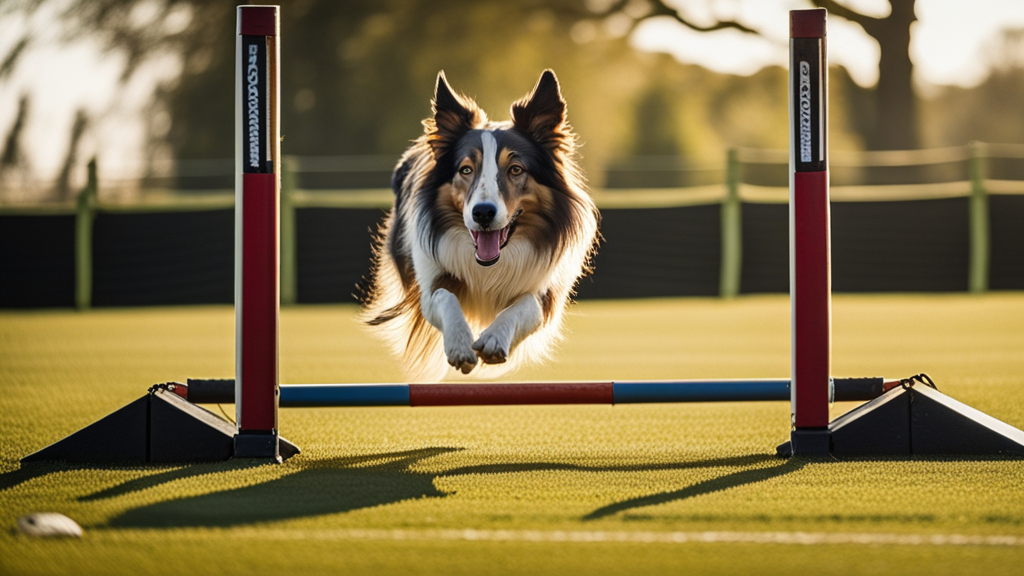
    The Collie Dog participating in agility training

    Early socialization shapes temperament.

    Expose your Collie puppy to:

    • People
    • Sounds
    • Environments
    • Other dogs

    Positive reinforcement works best.

    Collies are sensitive.

    Harsh correction damages trust quickly.

    They respond to:

    • Praise
    • Structured consistency
    • Clear communication

    Their intelligence allows them to learn complex commands quickly.

    Rough Collie vs. Smooth Collie: Which Should You Choose?

    Temperament: Similar
    Energy: Similar
    Trainability: Similar

    Main difference:

    Grooming commitment.

    If appearance is your priority, Rough Collie appeal more.

    If practicality matters most, Smooth Collie offers easier maintenance.

    Addressing Common Objections

    “Isn’t the Collie dog too high maintenance?”

    Only if your expectations are misaligned.

    They require time, not chaos.

    “Are they good for apartments?”

    if:

    • Daily exercise is consistent
    • Barking is managed
    • Space is sufficient

    They are adaptable but not sedentary.

    “Do they bark a lot?”

    They are alert and vocal when stimulated.

    Training reduces excessive barking significantly.

    The Emotional Value of The Collie Dog

    Beyond logistics, Collies offer:

    • Emotional atonement
    • Family bonding
    • Predictable temperament
    • Loyal companionship

    Their gaze is attentive.

    Their behavior is cooperative.

    For many owners, this breed represents:

    Stability.
    Partnership.
    Trust.

    Those are not small qualities.

    Make the Decision Deliberately

    Choosing the Collie dog is not about nostalgia.

    It’s about alignment.

    If your lifestyle supports:

    • Engagement
    • Grooming
    • Structured activity

    The Collie can be an extraordinary companion.

    If not, another breed can serve you better.

    The goal is not to choose a beautiful dog.

    The goal is to choose the right dog.

    If you’re serious about moving forward, your next step should be:

    • Research reputable breeders or rescue organizations
    • Visit in person
    • Ask detailed health and temperament questions

    A Collie can be with you for over a decade.

    Choose thoughtfully.

    Grooming routine for The Collie Dog

    Frequently Asked Questions (FAQ)

    1. What is the temperament of the Collie dog?

    The Collie dog is known for being intelligent, loyal, and highly people-oriented. They are typically gentle with children, responsive to training, and emotionally perceptive. Collies thrive in engaged households where they are included in daily activities.

    2. Are Collies good family dogs?

    Yes, Collies are widely considered excellent family dogs due to their patience, protective instincts, and trainability. However, like all breeds, they require proper socialization and supervision around young children.

    3. What is the difference between a Rough Collie and a Smooth Collie?

    The primary difference is coat length. Rough Collies have long, flowing coats. These coats require frequent grooming. In contrast, Smooth Collies have short, dense coats. These are easier to maintain. Temperament and energy levels are generally similar between both types.

    4. How much exercise does the Collie dog need?

    Collies typically require 60–90 minutes of daily physical and mental stimulation. This can include walks, playtime, obedience training, agility activities, and interactive games to prevent boredom.

    5. Do Collies shed a lot?

    Yes, especially Rough Collies. They have a double coat and experience seasonal shedding. Regular brushing (2–3 times per week) helps manage loose hair and prevents matting. Smooth Collies shed as well but require less intensive grooming.

    6. Are Collies easy to train?

    Yes. Collies are highly intelligent and responsive to positive reinforcement methods. They excel in obedience training, agility, and advanced commands. Harsh training methods are not recommended due to their sensitive nature.

    7. What health problems are common in the Collie dog?

    Common health concerns include Collie Eye Anomaly (CEA) and hip dysplasia. Progressive Retinal Atrophy (PRA) is also a concern. Another issue is MDR1 gene sensitivity, which affects medication reactions. Responsible breeders test for these conditions.

    8. Can Collies live in apartments?

    Collies can adapt to apartment living if they receive adequate daily exercise and mental stimulation. However, they are not sedentary dogs and become vocal or restless if under-stimulated.

    9. How long does the Collie dog live?

    The average lifespan of a Collie is approximately 12–14 years, depending on genetics, health care, and overall lifestyle.

    10. Is the Collie dog a good choice for first-time owners?

    Collies can be an excellent choice for first-time owners. They are ideal for those willing to invest time in training. Grooming and daily engagement are also necessary. Their intelligence and cooperative temperament often make them easier to manage than more independent breeds.

    Recommended Resources

    For authoritative breed standards and official information, visit the American Kennel Club (AKC) Collie Breed Page. It outlines temperament, health testing recommendations, and breed history.

    You can also explore the Collie Club of America for in-depth guidance. They provide information on responsible breeders, rescue organizations, and long-term care best practices specific to the Collie breed.
    
    
  • History of Dogs: Why Breed Origins Still Shape the Dogs We Live With Today

    History of Dogs: Why Breed Origins Still Shape the Dogs We Live With Today

    The history of dogs is often treated as a curiosity, interesting, but optional. Many dog lovers assume that choosing a companion is mostly about appearance, popularity, or a fleeting emotional connection. A fluffy coat, an expressive face, or a breed trending on social media feels like enough. After all, dogs are adaptable… aren’t they?

    Yet beneath that assumption is a quiet tension many people feel but rarely articulate. They sense that something didn’t quite match expectations. The dog they adore still feels oddly mismatched to their daily rhythm, energy level, or environment. Walks feel harder than expected. Training feels heavier. Guilt quietly replaces excitement.

    This frustration doesn’t come from lack of care or commitment. It comes from a belief that modern dogs are detached from their past. Centuries of purpose, selection, and survival no longer matter in a contemporary home. The idea feels reasonable in a world of apartments, designer foods, and obedience classes.

    But the History of Dogs tells a different story. One that suggests the past is not behind us at all. It’s still very much alive. It shapes behavior, health, instincts, and compatibility. These elements quietly influence every dog-owner relationship.

    Why “Just Pick the Breed You Like” Rarely Works

    The history of dogs shows that breeds were never created to be neutral companions. They were shaped to solve specific human problems, guarding, hunting, herding, hauling, or companionship under precise conditions. When modern choices ignore that reality, confusion often follows.

    A dog bred for endurance doesn’t suddenly become calm because it lives in a city. A guardian breed doesn’t lose vigilance because the threat is now hypothetical. These instincts don’t disappear; they redirect. Often into behaviors people label as “difficult,” “stubborn,” or “unexpected.”

    This is where overwhelm creeps in. Faced with hundreds of breeds and conflicting advice, many people default to aesthetics or trends simply to move forward. The choice feels personal, but it’s often disconnected from deeper context. When friction arises later, it feels like personal failure rather than structural mismatch.

    What the History of Dogs reveals is gentler: nothing is “wrong.” The dog is simply expressing traits refined over generations. The disconnect lies not in effort, but in understanding.

    Seen this way, breed challenges stop feeling random. They start making sense. And meaning has a calming effect; it replaces self-blame with clarity.

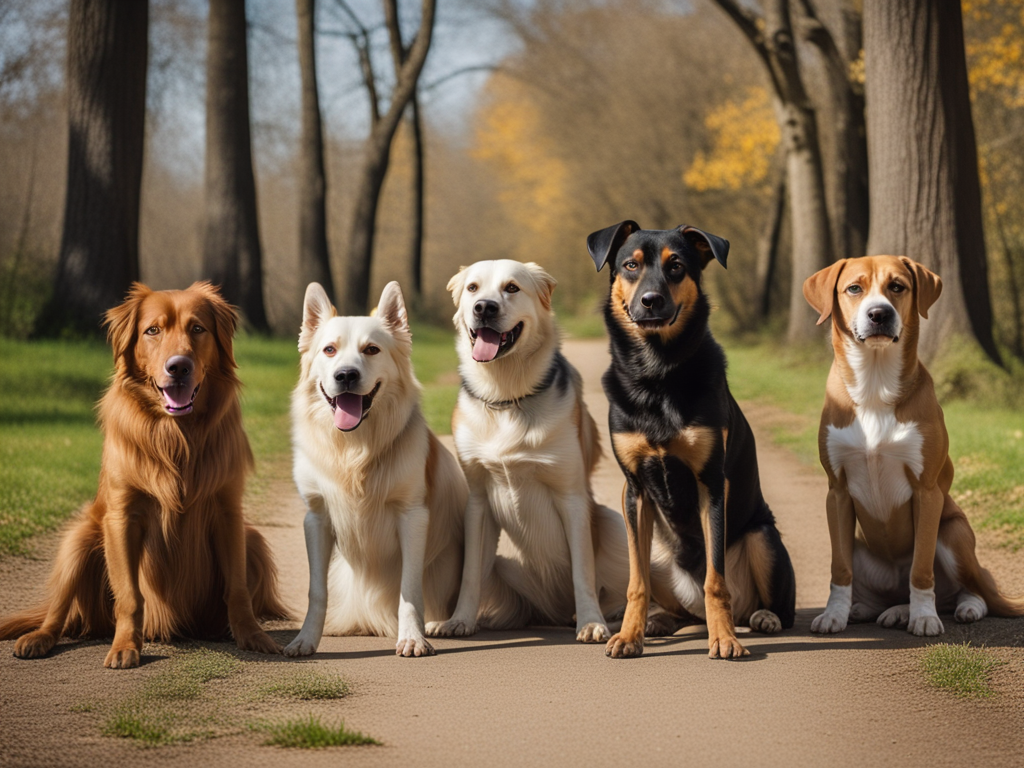
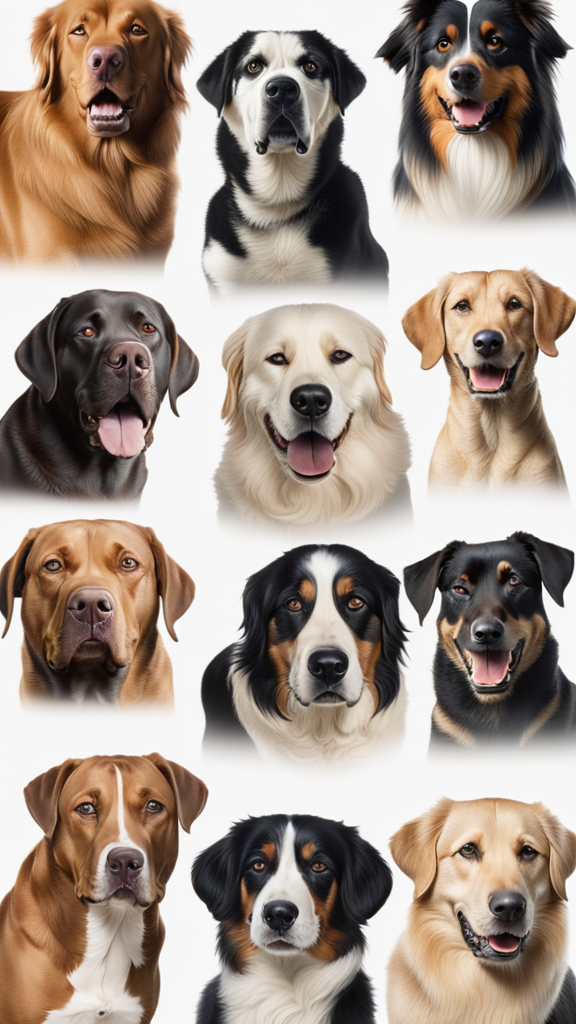
    History of Dogs illustrated through diverse modern dog breeds

    History of Dogs as a Record of Human Needs

    History of Dogs timeline showing evolution alongside humans

    The history of dogs is inseparable from human history. Dogs didn’t evolve in isolation; they evolved alongside human survival strategies. Every trait was shaped by necessity, environment, and partnership.

    In harsh climates, dogs needed thick coats, independence, and stamina. In agrarian societies, precision, responsiveness, and focus mattered more. In guarding roles, suspicion and loyalty weren’t flaws; they were features. Over time, these needs etched themselves into genetics.

    This perspective reframes breed traits as historical artifacts rather than personality quirks. Energy levels, prey drive, vocalization, and even sociability were once solutions, not inconveniences. They worked exceptionally well in the context they were designed for.

    Modern life often removes the original job but keeps the instincts intact. The dog doesn’t know the job is obsolete. The History of Dogs explains why unmet purpose often manifests as anxiety, destructiveness, or restlessness.

    Understanding this isn’t about control, it’s about respect. When behavior is seen as inherited intention rather than misbehavior, the relationship subtly shifts from frustration to empathy.

    When Evolution Outpaces Awareness

    The history of Dogs moves slowly. Human lifestyles change fast. This mismatch creates tension. The issue arises not because dogs can’t adapt. It happens because adaptation without understanding often feels like a compromise on both sides.

    Selective breeding intensified certain traits long before modern constraints existed. Speed, scent sensitivity, guarding instincts, and endurance were exaggerated because they were valuable. In a living room, those same traits can feel amplified rather than helpful.

    Many people sense this gap but interpret it incorrectly. They assume the issue is training technique, discipline, or even personality conflict. Few consider that they’re living with a living expression of ancient function.

    This realization changes the emotional tone of ownership. Instead of asking, “Why won’t my dog just relax?” the question becomes, “What was this dog built to do?” That subtle shift replaces resistance with curiosity.

    The history of Dogs doesn’t demand lifestyle perfection. It simply invites awareness. And awareness reduces friction long before any solution is considered.

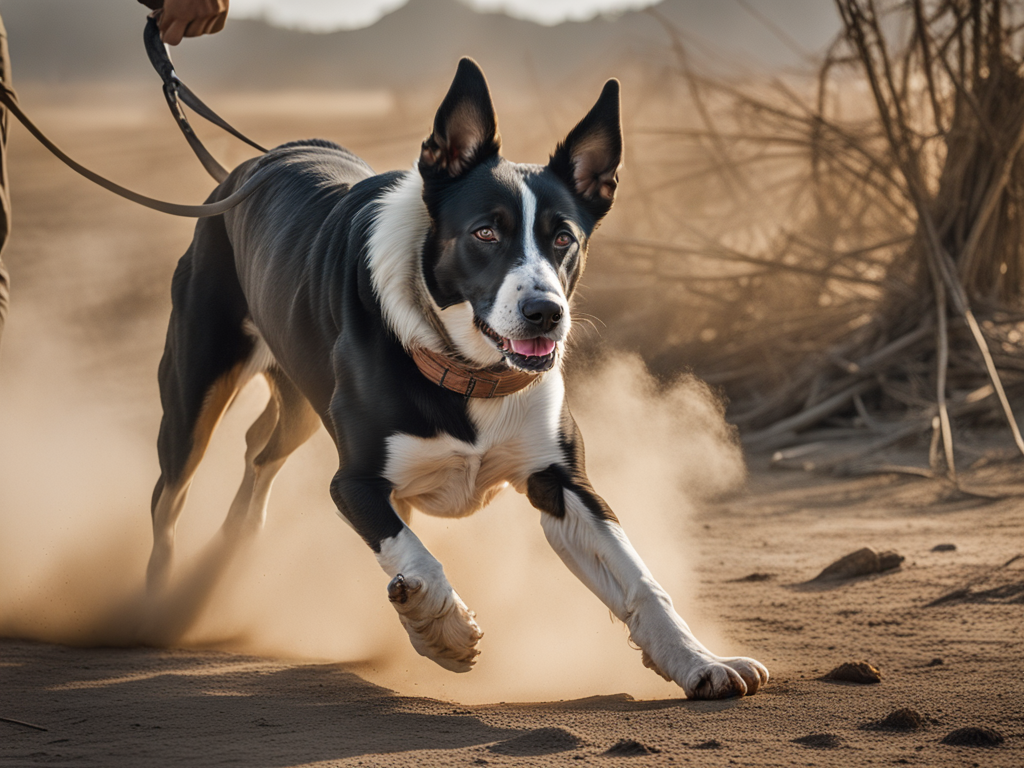
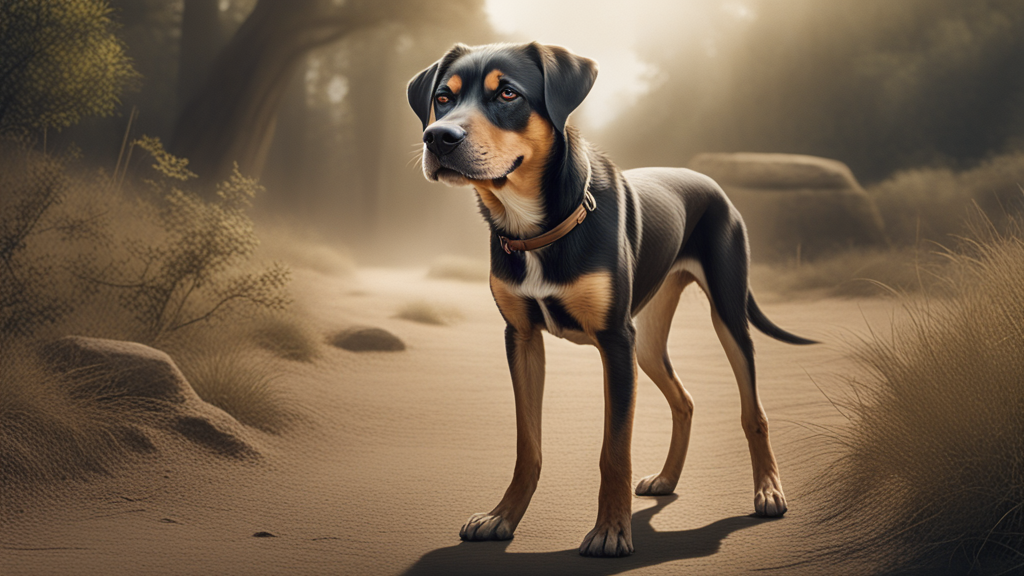
    History of Dogs showing traditional working roles

    Compatibility Is Historical, Not Trend-Based

    The history of Dogs reveals compatibility as something deeper than preference. True alignment isn’t about liking a breed, it’s about living with the consequences of its past.

    Two people can love the same dog and experience entirely different realities. Energy tolerance, noise sensitivity, time availability, and emotional expectations all interact with breed traits shaped long before either existed.

    History of Dogs reflected in lifestyle compatibility

    When people choose based on trends, they’re often borrowing someone else’s lifestyle without realizing it. The dog becomes a symbol rather than a system. Over time, that symbolism erodes under daily reality.

    But when breed history is acknowledged, something stabilizes. Expectations become realistic. Frustrations feel predictable. Small challenges stop escalating into emotional strain.

    History of Dogs quietly suggests that harmony isn’t accidental. It’s contextual. And context always starts in the past.

    The Hidden Health Story Written in the Past

    The history of Dogs isn’t only behavioral, it’s biological. Breeding for specific tasks shaped bodies as much as minds. Skeletal structure, respiratory capacity, digestion, and even lifespan were influenced by function.

    When those bodies are placed into environments that contradict their design, health issues often emerge. This isn’t punishment or inevitability; it’s misalignment.

    Understanding breed history reframes health conversations. Instead of reacting to problems, people begin to recognize patterns. Awareness doesn’t remove risk, but it reduces surprise.

    This perspective builds trust. Not in advice or trends but in understanding. And trust is what makes future decisions feel grounded rather than reactive.

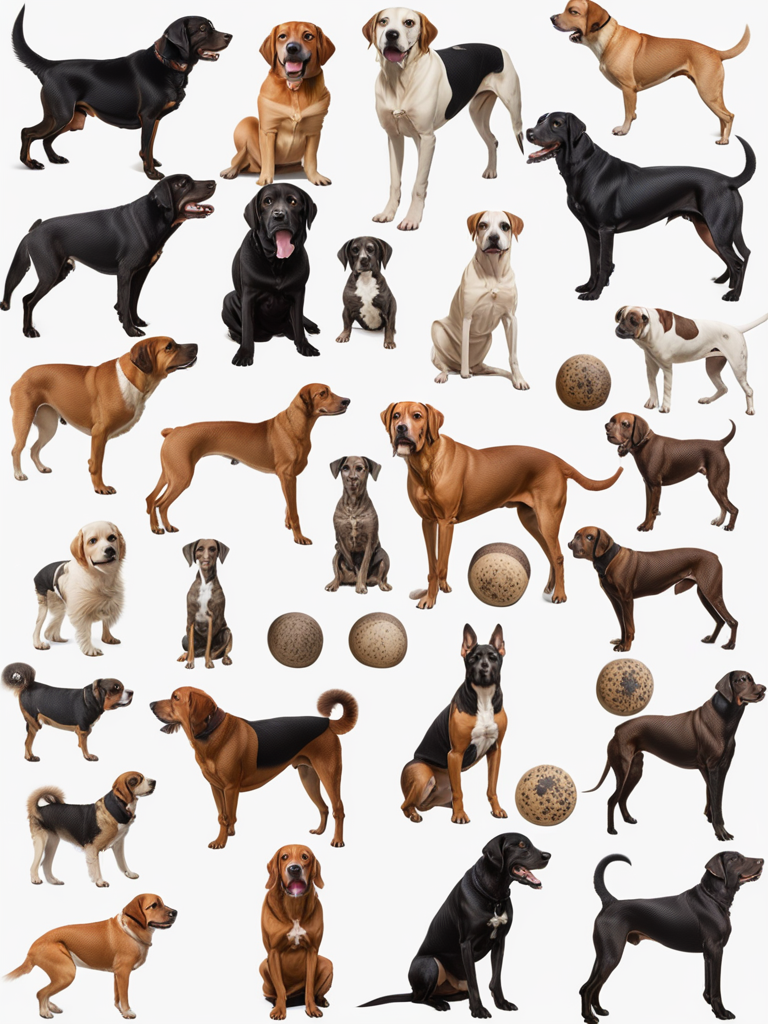
    History of Dogs shown through breed anatomy differences

    A Quieter, More Grounded Way to Choose

    History of Dogs doesn’t tell people what to choose. It changes how choice feels. Decisions stop being rushed. Overwhelm softens into discernment.

    When people internalize that breeds are historical narratives, not blank slates, they naturally slow down. Curiosity replaces urgency. Reflection replaces impulse.

    This shift doesn’t remove emotion, it deepens it. Connection feels earned, not accidental. The relationship begins with respect rather than expectation.

    And once that belief settles in, future choices, training, environment, and routines feel intuitive. Not because someone was told what to do, but because they see their dog clearly.

    History of Dogs doesn’t end at adoption. It continues living, breathing, and influencing every shared day.

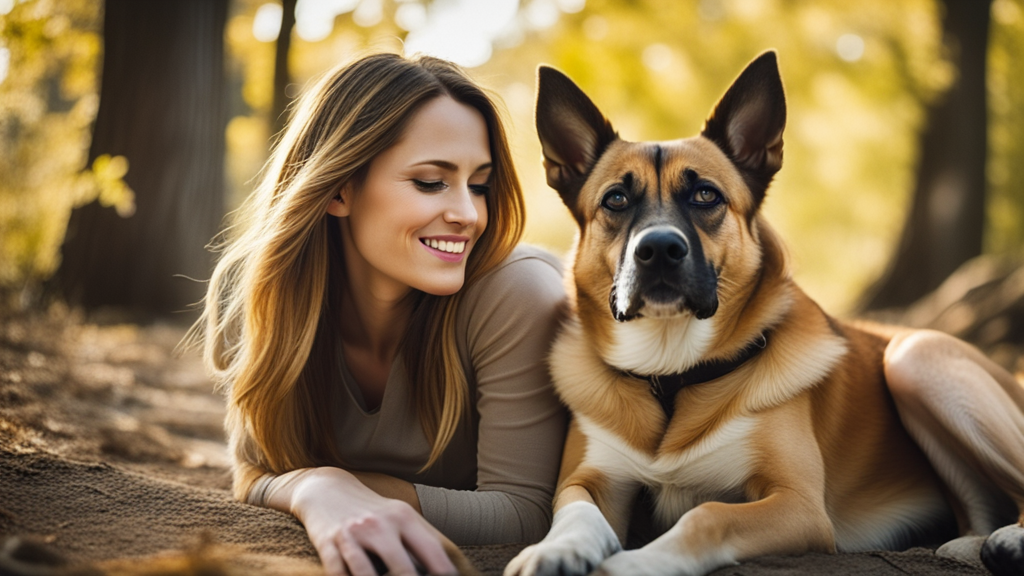
    History of Dogs influencing modern companionship

    Conclusion: Seeing Dogs as They Truly Are

    The History of Dogs quietly challenges the idea that modern life has erased ancient purpose. It suggests that the past is still present, shaping relationships in subtle yet powerful ways.

    When people stop seeing breeds as trends and start seeing them as histories, something shifts internally. Frustration gives way to understanding. Confusion becomes clarity. Choice becomes alignment.

    This isn’t about doing more. It’s about seeing differently.

    And once that lens changes, it rarely changes back.

    Frequently Asked Questions

    1. Why does the history of dogs still matter if dogs live such different lives today?
    The history of dogs matters because it shaped instincts, energy levels, and stress responses that still exist beneath modern routines. Even in contemporary homes, dogs express traits refined over centuries. Understanding that history explains why certain behaviors consistently, regardless of training style or environment.

    2. Is choosing a dog based on breed history more important than personality?
    Personality matters, but breed history provides the framework within which personality operates. The history of dogs shows that temperament isn’t random; it’s influenced by what a breed was designed to do. Personality differences exist, but they unfold inside inherited behavioral boundaries.

    3. Does understanding the history of dogs mean certain breeds aren’t suitable for modern homes?
    Not at all. The history of dogs doesn’t disqualify breeds; it contextualizes them. Many dogs thrive in modern settings when their historical traits are understood and respected. Awareness helps owners anticipate needs rather than feeling surprised by them.

    4. Can mixed-breed dogs benefit from understanding dog history too?
    Yes. Mixed-breed dogs carry layered histories that often explain complex or seemingly contradictory behaviors. Knowing the historical functions behind breed influences can make their actions feel less confusing and more interpretable.

    5. How does breed history affect a dog’s health and longevity?
    The history of dogs shaped physical structures, metabolism, and resilience. When modern lifestyles clash with those inherited designs, health issues can emerge. Understanding breed history helps owners recognize predispositions rather than viewing health challenges as sudden or inexplicable.

    6. What changes when someone truly understands the history of dogs?
    What changes is perception. Behavior stops feeling personal or frustrating and starts feeling meaningful. The history of dogs reframes ownership as a relationship with a living legacy, not a blank slate. This shift often leads to calmer expectations. It also fosters a deeper connection.

    Useful Resources

    Readers who want to deepen their understanding of how canine history shapes modern breeds and behavior have options. A couple of well-established resources stand out. The American Kennel Club (AKC) offers detailed breed histories.

    These histories explain why dogs were developed the way they were. They connect origin stories to temperament and traits. For a broader, more evolutionary perspective, the National Geographic Dogs resource explores the history of dogs through science.