Category: Puppy Training & Behavior

  • How to Prevent Separation Anxiety in Puppies (Before It Becomes a Lifelong Problem)

    How to Prevent Separation Anxiety in Puppies (Before It Becomes a Lifelong Problem)

    If you’re searching for how to prevent separation anxiety in puppies, you’re probably feeling one of two things:

    • You’re about to leave your puppy alone for the first time — and you’re worried.
    • Or you’ve already heard crying, scratching, or panicked behavior… and you don’t want it to escalate.

    You don’t want a dog who:

    • Panics every time you grab your keys
    • Destroys furniture while you’re gone
    • Howls nonstop when left alone

    And most of all, you don’t want your puppy to feel afraid.

    Here’s the good news:
    True separation anxiety is preventable in most puppies when you build independence intentionally from day one.

    This guide will show you exactly how to do that — step-by-step — using behavioral science and positive reinforcement principles.

    First: What Separation Anxiety Really Is

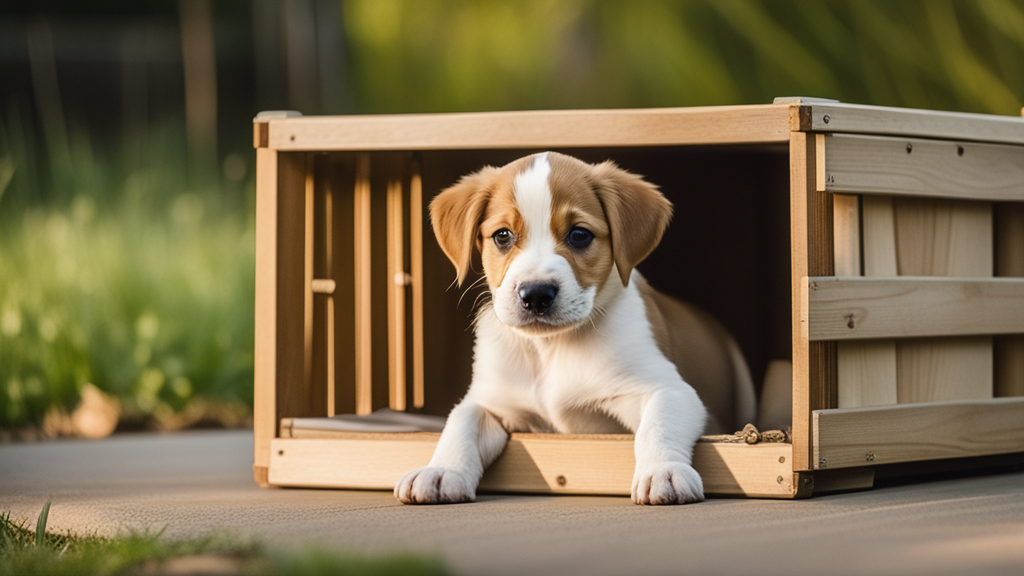
    how to prevent separation anxiety in puppies through early alone training

    Separation anxiety is not mild whining.

    It’s a panic disorder triggered by the absence of an attachment figure.

    Clinical signs include:

    • Destructive behavior near doors or windows
    • Escaping attempts
    • Excessive drooling
    • Self-injury
    • Continuous distress vocalization
    • House-soiling despite being trained

    It’s rooted in panic, not stubbornness.

    Prevention is far easier than rehabilitation.

    Why Puppies Develop Separation Anxiety

    Most cases come from one of these patterns:

    1. Constant access to people with no independence training
    2. Sudden long absences without gradual exposure
    3. Emotional departures and arrivals
    4. Only being crated when owners leave
    5. Genetic predisposition combined with inconsistent structure

    Puppies are biologically wired to stay close.
    Your job isn’t to eliminate attachment, it’s to teach emotional safety when alone.

    The Independence-Building Framework

    Preventing separation anxiety comes down to four pillars:

    1. Gradual Alone Training
    2. Emotional Neutrality Around Departures
    3. Confidence Through Structure
    4. Balanced Attachment

    Let’s break it down step-by-step.

    Step 1: Start Alone-Time Training Immediately

    Do not wait until you “have to” leave for hours.

    Start with micro-absences.

    Day 1–3:

    • Step behind a door for 5 seconds.
    • Return calmly.
    • Repeat multiple times daily.

    Gradually increase:

    • 10 seconds
    • 30 seconds
    • 1 minute
    • 3 minutes

    The goal is boring normalcy — not drama.

    Your puppy learns:
    People leave → People return → I am safe.

    Step 2: Normalize Short Daily Separation (Even When You’re Home)

    Many well-meaning owners create dependency by allowing constant contact.
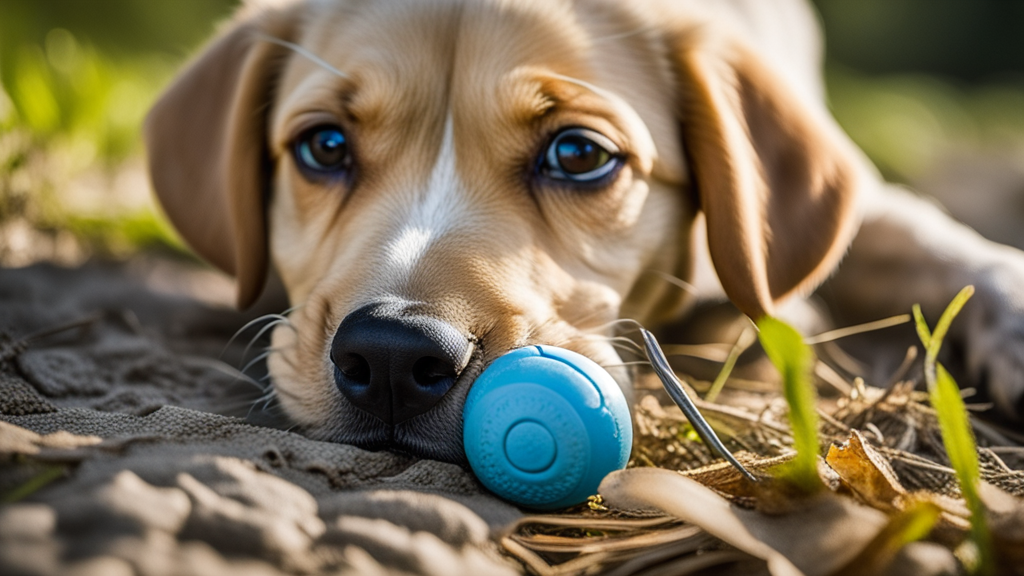
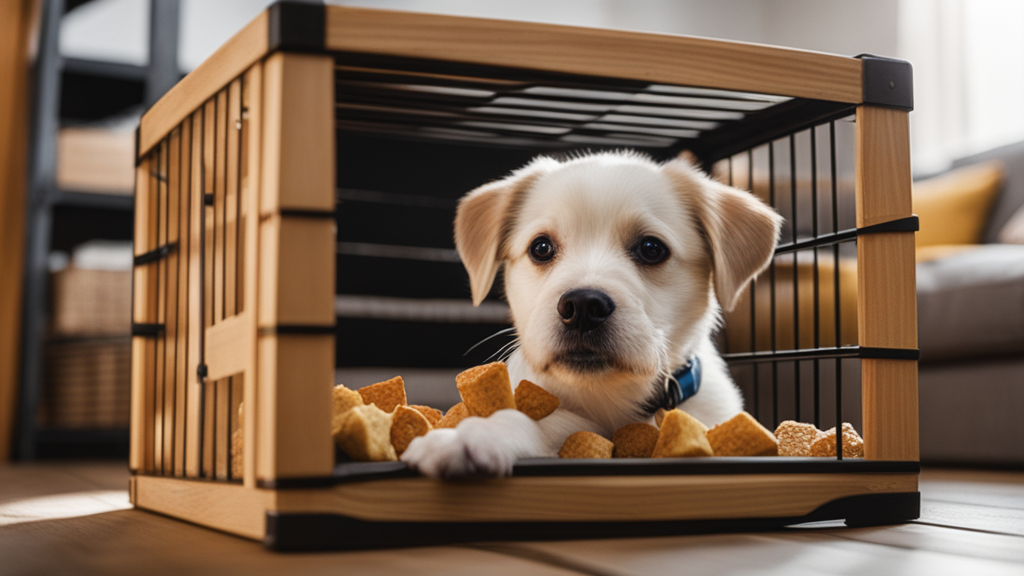
    how to prevent separation anxiety in puppies with independent play

    Instead:

    • Use baby gates.
    • Encourage naps in another room.
    • Practice short crate sessions while you move around the house.

    Attachment is healthy.
    Dependence is risky.

    You want your puppy to feel secure, not reliant.

    Step 3: Make Departures Emotionally Neutral

    One of the biggest mistakes:

    “Bye baby! I’ll miss you so much!”

    That signals:
    This is a big event.

    Instead:

    • Leave calmly.
    • No long goodbyes.
    • No emotional build-up.

    Same for returning home:

    • Wait until calm before greeting.
    • Reward relaxed behavior.

    This prevents emotional spikes tied to your presence.

    Step 4: Desensitize Departure Triggers

    Puppies learn patterns quickly.

    Keys → Panic
    Shoes → Panic
    Coat → Panic

    Break the association.

    Practice:

    • Picking up keys and sitting down.
    • Putting on shoes and not leaving.
    • Opening and closing the door randomly.

    This removes predictive fear patterns.

    Step 5: Avoid Only Using the Crate When Leaving

    If the crate only happens during absences, it becomes a predictor of isolation.

    Instead:

    • Crate while you’re home.
    • Give special chews inside.
    • Keep sessions short and calm.

    The crate should signal:
    Rest, safety, relaxation.

    Not abandonment.

    Step 6: Build Confidence Through Structured Routines

    Predictability reduces anxiety.

    Create consistent:

    • Feeding times
    • Walk times
    • Potty breaks
    • Sleep schedules

    Structure builds psychological safety.

    When life feels predictable, short absences feel less threatening.

    Step 7: Teach Independent Play

    Encourage your puppy to:

    • Chew independently
    • Explore toys alone
    • Settle on a mat without constant engagement

    Avoid becoming the sole source of stimulation.

    A confident puppy can self-soothe.

    Step 8: Exercise Before Absences

    A mentally and physically satisfied puppy rests more easily.

    Before leaving:

    • Short walk
    • Light play session
    • Potty break

    Then crate or confine calmly.

    Energy management reduces stress behaviors.

    Step 9: Recognize Early Warning Signs

    Early signals of developing separation anxiety:

    • Following you room-to-room obsessively
    • Distress when doors close between you
    • Escalating panic within seconds of leaving
    • Refusal to eat when alone

    If you notice these:

    • Shorten absences
    • Increase gradual exposure
    • Consult a certified positive reinforcement trainer if needed

    Early intervention prevents severe anxiety later.

    What NOT To Do

    Avoid:

    • Punishing destructive behavior
    • Using shock collars or aversive tools
    • “Flooding” (leaving puppy alone for hours to “get used to it”)
    • Ignoring true panic distress

    Anxiety is not defiance.
    It’s fear.

    Fear requires reassurance through structure — not force.

    The Long-Term Impact of Prevention

    Preventing separation anxiety gives you:

    • Freedom to travel
    • Calm neighbors
    • Lower stress
    • Fewer behavior problems
    • A dog who feels emotionally secure

    And more importantly — your puppy grows into a dog who trusts that absence is temporary.

    That emotional resilience lasts a lifetime.

    How Long Does Prevention Take?

    Independence training typically develops over:

    • 3–6 weeks in young puppies
    • Longer for rescue dogs

    Consistency matters more than speed.

    Slow exposure builds strong emotional foundations.

    When to Seek Professional Help

    If your puppy shows:

    • Self-harm behaviors
    • Severe destruction
    • Ongoing panic despite gradual training

    Consult:

    • Certified Professional Dog Trainer (CPDT-KA)
    • Veterinary behaviorist
    • Your veterinarian

    Severe separation anxiety sometimes requires structured behavior modification plans.

    There is no shame in getting support.

    The Bigger Picture: Security Creates Freedom

    At its core, preventing separation anxiety isn’t about silence.

    It’s about teaching your puppy:

    “I can be alone. I am safe. My human always comes back.”

    That belief creates:

    • Emotional stability
    • Behavioral reliability
    • Long-term confidence

    And for you?

    Peace of mind.

    Final Thought

    Start small.
    Keep it calm.
    Build independence gradually.

    If you’ve already begun crate training, combine these steps with proper crate conditioning for best results.

    Your puppy doesn’t need constant closeness.

    They need predictable security.

    And that starts today.

    FAQ Section: How to Prevent Separation Anxiety in Puppies

    1. At what age should I start preventing separation anxiety?

    You should start independence training as early as 8 weeks old. Early exposure to short, calm absences significantly reduces the likelihood of separation anxiety developing later.

    2. Is some crying normal when leaving a puppy alone?

    Yes, mild protest whining is common. However, continuous, escalating distress signals early anxiety. Gradual exposure helps build tolerance safely.

    3. How long can a puppy be left alone?

    Young puppies should only be left alone for short periods based on age. Use 1 hour per month of age as a rough guideline. Build duration gradually.

    4. Does crate training prevent separation anxiety?

    Proper crate training can help prevent separation anxiety when paired with gradual alone-time conditioning. However, the crate alone is not a cure; it must be part of a structured independence plan.

    5. What are early warning signs of separation anxiety?

    Early signs include excessive clinginess, distress when doors close, refusal to eat alone, and panic behaviors within minutes of departure.

    6. Can separation anxiety be cured if it develops?

    Mild cases can improve with structured desensitization training. Severe cases require professional guidance from a certified trainer or veterinary behaviorist.

    Reading Resource

    To better understand prevention and early intervention strategies for separation anxiety, consult the ASPCA’s behavioral guidance. You can find this information at the ASPCA Separation Anxiety Resource.

    Also, review the American College of Veterinary Behaviorists’ ACVB Separation Anxiety Position Statement. Both offer clinically informed advice to support long-term emotional stability in dogs.

    how to prevent separation anxiety in puppies by recognizing early warning signs
  • How to Crate Train a Puppy Step-by-Step (Without Stress or Setbacks)

    How to Crate Train a Puppy Step-by-Step (Without Stress or Setbacks)

    Learn how to train a puppy step-by-step in 10 steps.

    If you’re here, you probably want two things:

    But maybe right now your reality looks different.

    Your puppy cries when the crate door closes.
    Or refuses to go inside.
    Or has accidents despite “doing everything right.”

    Take a breath.

    Crate training isn’t about control. Creating emotional safety and structure helps in faster house training. It reduces destructive behaviors. It results in a more secure puppy.

    This step-by-step guide walks you through the exact process. It is rooted in behavioral science and positive reinforcement. This helps you avoid the most common crate training mistakes from the start.

    Step 1: Choose the Right Crate and Setup

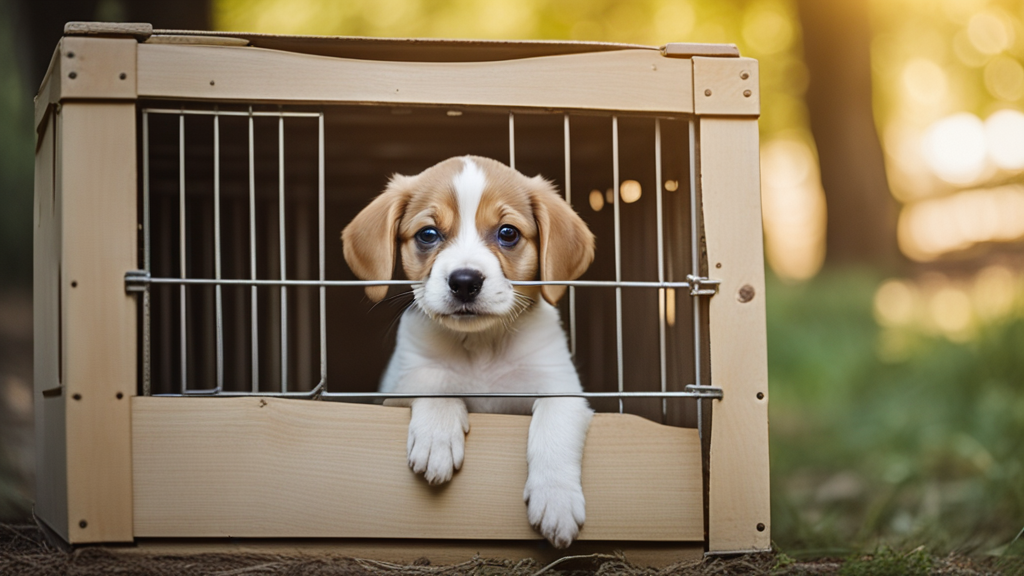
    how to crate train a puppy step-by-step starting with proper crate size

    Before training begins, the environment must be correct.

    ✔ Pick the Right Size

    Your puppy should be able to:

    • Stand up fully
    • Turn around comfortably
    • Lie down stretched out

    Too large? They potty in one corner.
    Too small? It feels restrictive and stressful.

    For growing puppies, use a crate with a divider panel.

    ✔ Place It Strategically

    Put the crate:

    • In a quiet but not isolated area
    • Away from drafts
    • Near family activity (especially early on)

    Puppies crave proximity. Social security lowers anxiety.

    Step 2: Introduce the Crate as a Positive Space

    how to crate train a puppy step-by-step using positive reinforcement

    This is where most owners rush and where resistance begins.

    Goal: Crate = Safe + Rewarding

    Day 1–2: Door Open, Zero Pressure

    1. Leave the crate door open.
    2. Toss treats just inside.
    3. Let your puppy walk in voluntarily.
    4. Praise gently.

    Do NOT:

    • Push them inside
    • Close the door yet
    • Rush duration

    Let curiosity lead.

    You are building an association, not compliance.

    Step 3: Feed Meals in the Crate

    Food is a powerful emotional anchor.

    1. Place the food bowl just inside the crate.
    2. Gradually move it farther back over several meals.
    3. Allow your puppy to exit freely afterward.

    This creates:

    Crate → Good Things Happen → Relaxation

    If your puppy hesitates, slow down.

    Confidence builds trust. Trust builds calm.

    Step 4: Close the Door Briefly (Seconds, Not Minutes)

    Once your puppy enters comfortably:

    1. Let them go inside.
    2. Close the door.
    3. Count to 5–10 seconds.
    4. Open before whining escalates.
    5. Praise calmly.

    Repeat several times daily.

    Gradually increase to:

    • 30 seconds
    • 1 minute
    • 3–5 minutes

    Progress is measured in calm behavior, not in time.

    Step 5: Add Short Distance and Movement

    Now you teach independence.

    how to crate train a puppy step-by-step teaching independence
    1. Crate your puppy with a safe chew.
    2. Step a few feet away.
    3. Return before distress begins.
    4. Increase distance gradually.

    Then:

    • Leave the room briefly
    • Return calmly
    • Avoid big emotional greetings

    You are conditioning:
    “People leave. People return. I am safe.”

    This step directly prevents separation anxiety later.

    Step 6: Practice While You’re Home

    A major mistake is only crating when leaving the house.

    That creates this pattern:

    Crate = Abandonment.

    Instead:

    • Crate during short home tasks
    • Move around casually
    • Normalize it

    Your puppy learns that crate time isn’t dramatic. It’s routine.

    Step 7: Begin Short Absences

    When your puppy can stay calm for 20–30 minutes:

    1. Crate with a safe chew.
    2. Leave for 5–10 minutes.
    3. Return calmly.
    4. Increase duration gradually.

    Avoid:

    • Sneaking out nervously
    • Making departures emotional
    • Rushing to comfort minor whining

    Predictability reduces stress.

    Step 8: Use the Crate for House Training Success

    Puppies instinctively avoid soiling their sleeping area.

    Use this to your advantage:

    • Crate overnight (with potty breaks based on age)
    • Crate between supervised sessions
    • Immediately take outside after release

    General potty timing rule:

    • 8–10 weeks: Every 1–2 hours
    • 3 months: Every 3 hours
    • 4–6 months: 4–5 hours (maximum)

    Consistency accelerates house training dramatically.

    Step 9: Recognize Normal Whining vs. Panic

    Not all crying is equal.

    Normal Adjustment:

    • Brief protest whining
    • Settles within minutes

    Distress Signs:

    • Escalating, frantic crying
    • Excessive drooling
    • Scratching intensely
    • Refusal to re-enter later

    If distress appears, reduce duration and rebuild gradually.

    Slow progression creates emotional resilience.

    Step 10: Build Duration Gradually

    Healthy crate tolerance looks like:

    • Puppy enters willingly
    • Settles within minutes
    • Rests calmly
    • Exits relaxed

    Avoid sudden jumps in duration.

    If yesterday was 20 minutes, don’t jump to 2 hours.

    Structure builds security.

    Sample Daily Crate Training Schedule (8–10 Week Puppy)

    Morning:

    • Potty → Breakfast in crate → Short rest

    Mid-morning:

    • Play → Potty → 20-minute crate session

    Afternoon:

    • Potty → Play → Crate while you work nearby

    Evening:

    • Calm crate time before bedtime

    Overnight:

    • Crate beside your bed (initially)
    • Scheduled potty breaks

    Proximity reduces nighttime anxiety in young puppies.

    Common Crate Training Mistakes to Avoid

    Even when following steps, watch for:

    • Using crate as punishment
    • Leaving puppy crated too long
    • Inconsistent rules
    • Letting crying always result in release
    • Rushing progression

    Most crate training failures come from going too fast.

    When Is a Puppy Fully Crate Trained?

    Typically:

    • 2–4 weeks for comfort
    • 3–6 months for reliable house training

    Signs of success:

    • Enters willingly
    • Sleeps calmly
    • No stress behaviors
    • No accidents in crate

    Remember: the crate is temporary structure.

    Long-term goal?
    A self-regulated dog who doesn’t need confinement.

    Why Crate Training Matters Beyond Convenience

    Done correctly, crate training:

    • Builds independence
    • Prevents destructive habits
    • Speeds house training
    • Reduces anxiety
    • Creates a lifelong safe space

    It’s not about restriction.

    It’s about emotional security and freedom for both of you.

    A well-trained dog gives you:

    • Easier travel
    • Flexible schedules
    • Lower stress
    • Greater confidence as an owner

    That’s not just training.

    That’s long-term stability.

    If Your Puppy Is Struggling

    Don’t assume you’ve failed.

    Some puppies need:

    • Slower pacing
    • Higher-value rewards
    • A different crate type (covered vs. uncovered)
    • Professional guidance

    Certified positive-reinforcement trainers (CPDT-KA) can provide structured plans if needed.

    Early correction prevents bigger issues later.

    Calm Structure Builds Confident Dogs

    Your puppy doesn’t need perfection.

    They need:

    • Consistency
    • Patience
    • Predictability
    • Positive associations

    Crate training is less about the crate and more about the emotional experience inside it.

    Start slow.
    Reward generously.
    Increase gradually.

    If you want deeper guidance, explore our related guide on how to prevent separation anxiety in puppies. This will help reinforce the independence you’re building right now.

    A calm, confident dog begins with small, structured steps.

    You’re already on the right path.

    how to crate train a puppy step-by-step for nighttime success

    FAQ Section: How to Crate Train a Puppy Step-by-Step

    1. How long does it take to crate train a puppy?

    Most puppies adjust to crate training within 2–4 weeks when introduced gradually. Full comfort and reliable house training take several months depending on age and consistency.

    2. Should I put a blanket over my puppy’s crate?

    Covering the crate can help some puppies feel secure by reducing stimulation. However, others feel anxious. Observe your puppy’s behavior and adjust based on comfort and ventilation.

    3. How do I crate train a puppy at night?

    Place the crate near your bed initially to reduce anxiety. Take your puppy out for scheduled potty breaks based on age, and gradually increase nighttime duration as bladder control improves.

    4. What if my puppy refuses to enter the crate?

    Never force entry. Use treats, toys, and meals to create positive associations. Start with short, voluntary entries and reward every step toward comfort.

    5. How often should I crate my puppy during the day?

    Use the crate for short rest periods between play, training, and potty breaks. Avoid extended daytime confinement and balance crate time with exercise and interaction.

    6. When can I stop using the crate?

    You can begin transitioning out of the crate when your puppy is fully house-trained. Make sure it shows no destructive behavior. It should also remain calm when alone. Gradual freedom is key.

    Reading Resource

    If you’d like further step-by-step support, explore the structured puppy training resources from the American Veterinary Medical Association. Visit AVMA Dog Behavior & Training.

    Additionally, find detailed crate training guidance from VCA Animal Hospitals at VCA Crate Training Guide. These veterinary-backed resources reinforce safe and effective crate conditioning methods.

  • Dog Crate Training Mistakes to Avoid: A Complete Guide for Raising a Calm, Confident Dog

    Dog Crate Training Mistakes to Avoid: A Complete Guide for Raising a Calm, Confident Dog

    If you’re searching for “dog crate training mistakes to avoid,” chances are something isn’t going as planned.

    Maybe your puppy cries the moment you close the crate door.
    Maybe your rescue dog refuses to go inside at all.
    Or maybe you’re lying awake at 2 a.m., wondering if you’re somehow doing more harm than good.

    dog crate training mistakes to avoid when introducing a puppy to a crate

    You don’t want a traumatized dog.
    You don’t want accidents on the carpet.
    You just want a well-adjusted, house-trained companion who feels safe and gives you back your freedom.

    You’re not alone.

    This guide will walk you through the most common crate training mistakes. It will explain why they happen and how to fix them. This way, you can build trust, structure, and long-term success.

    Understanding the Real Purpose of Crate Training

    Before diving into the mistakes, we need to clarify something critical:

    A crate is not a cage for confinement.
    It’s a management and safety tool rooted in canine behavioral science.

    Dogs are den animals by instinct. When introduced correctly, a crate becomes:

    • A secure retreat
    • A house-training accelerator
    • A way to prevent destructive behaviors
    • A calm-down space during over-stimulation

    The American Veterinary Medical Association and leading canine behaviorists consistently emphasize that proper crate training builds predictability. It creates security. It does not create fear.

    When done wrong, however, crate training can create anxiety, resistance, and behavioral regression.

    Let’s examine where most owners unintentionally go off track.

    1. Using the Crate as Punishment

    The Mistake:

    dog crate training mistakes to avoid such as using the crate for punishment

    Sending your dog to the crate after misbehavior.

    Why It Backfires:

    Dogs form associations quickly. If the crate becomes linked to scolding or isolation, it shifts from “safe den” to “negative consequence.”

    That single emotional pairing can undo weeks of progress.

    The Long-Term Cost:

    • Increased crate resistance
    • Heightened separation anxiety
    • Fear-based behaviors

    What to Do Instead:

    Position the crate as a rewarded space:

    • Toss treats inside
    • Feed meals in the crate
    • Offer high-value chews only when crated

    The crate should signal safety and positive predictability, not social rejection.

    2. Forcing Your Dog Into the Crate

    The Mistake:

    Physically placing or pushing your dog inside.

    Why It Backfires:

    This removes agency. Loss of control is one of the primary triggers of canine stress responses.

    A dog who feels trapped learns to resist harder next time.

    Better Approach:

    Use shaping techniques:

    • Let the dog approach voluntarily
    • Reward small steps (sniffing, stepping in, sitting inside)
    • Gradually increase duration

    This aligns with positive reinforcement training principles and builds internal confidence instead of compliance through fear.

    3. Leaving Your Dog in the Crate Too Long

    One of the most common crate training mistakes to avoid is overusing the crate.

    General Time Guidelines:

    • 8–10 weeks: 30–60 minutes
    • 3–6 months: 2–3 hours
    • Adult dogs: 4–6 hours (maximum in most cases)

    Dogs need:

    • Movement
    • Social interaction
    • Mental stimulation

    Excessive confinement can lead to:

    • Muscle stiffness
    • Frustration behaviors
    • House-soiling
    • Emotional shutdown

    Crate training supports freedom but only when balanced with enrichment and exercise.

    4. Choosing the Wrong Crate Size

    This mistake is more common than people think.

    Too Large:

    Dogs eliminate in one corner and sleep in another, slowing house training.

    Too Small:

    Restricted movement creates discomfort and stress.

    Correct Sizing Rule:

    Your dog should be able to:

    • Stand fully upright
    • Turn around comfortably
    • Lie down stretched out

    For growing puppies, adjustable divider panels are ideal.

    Proper sizing directly impacts house-training success rates.

    5. Ignoring Emotional State During Training

    Many owners focus on mechanics (“in crate = treat”) but overlook emotional signals.

    Watch for:

    • Excessive panting
    • Drooling
    • Whining escalating to panic
    • Refusal to enter even with rewards

    If these, your dog is experiencing crate anxiety, not normal adjustment.

    Correction Strategy:

    Scale back.
    Shorten duration.
    Increase positive associations.

    Behavioral science calls this “systematic desensitization,” gradual exposure paired with positive reinforcement.

    Slow is fast when it comes to emotional conditioning.

    6. Making the Crate Too Stimulating

    It’s natural to want to make the crate cozy. But overloading it can backfire.

    Avoid:

    • Excessive toys
    • High-traffic placement
    • Loud TV noise

    The crate should feel like a calm, low-arousal environment.

    Place it:

    • In a quiet area
    • Near (but not in the middle of) family activity
    • Away from drafts or extreme temperatures

    The goal is emotional regulation, not entertainment.

    7. Letting Crying Automatically Mean “Rescue”

    This is one of the most misunderstood areas.

    Important Distinction:

    • Protest whining (brief, fading)
    • Panic crying (intense, escalating)

    If you immediately open the crate at the first sound, you reinforce noise as a release strategy.

    Instead:

    • Wait for a brief pause in whining
    • Then calmly release

    However, if signs of panic are present (drooling, frantic scratching, high-pitched distress), reassess your training pace.

    Nuance matters here.

    8. Skipping Gradual Alone-Time Conditioning

    A major hidden mistake: using the crate only when leaving the house.

    This creates a predictive pattern:
    Crate = abandonment.

    Instead:

    • Practice short crate sessions while you’re home
    • Move around casually
    • Normalize the experience

    This builds independence without triggering separation anxiety.

    9. Expecting Overnight Results

    Crate training is not instant.

    Puppies typically take:

    • 2–4 weeks for reliable comfort
    • Longer for rescue dogs with unknown histories

    Frustration often leads to inconsistent training, which confuses the dog.

    Consistency builds clarity.
    Clarity builds confidence.
    Confidence builds long-term behavioral stability.

    10. Not Transitioning Properly Out of the Crate

    Crates are tools, not permanent housing.

    Signs your dog is ready for more freedom:

    • Fully house-trained
    • No destructive behavior
    • Calm alone for extended periods

    Gradual transitions:

    • Leave crate door open
    • Allow supervised free roaming
    • Increase access slowly

    The end goal isn’t dependence on the crate it’s self-regulation.

    The Hidden Cost of Crate Training Mistakes

    When crate training goes wrong, the consequences aren’t just logistical.

    They affect:

    • Trust between you and your dog
    • Household stress levels
    • Long-term behavioral stability
    • Your own freedom and confidence as an owner

    Many behavior issues later labeled as “stubbornness” or “anxiety” actually trace back to early management errors.

    Fixing them later requires significantly more time and effort than doing it correctly from the start.

    A Simple Framework for Successful Crate Training

    To avoid the most common dog crate training mistakes, follow this 4-part structure:

    1. Association

    Crate = food, calm, safety.

    2. Gradual Exposure

    Increase time slowly and systematically.

    3. Emotional Monitoring

    Watch body language, not just behavior.

    4. Balanced Freedom

    Pair crate time with exercise and enrichment.

    This framework aligns with modern positive reinforcement training endorsed by veterinary behaviorists.

    Common Objections (And Calm Answers)

    “Isn’t crate training cruel?”

    When done correctly, no.
    When misused, yes.

    The difference lies in duration, association, and emotional handling.

    “My dog hates the crate. Should I give up?”

    Not necessarily.
    But you need to reset the process and reintroduce it properly.

    “What if I work full-time?”

    Consider:

    • Dog walkers
    • Doggy daycare (occasionally)
    • A larger safe confinement area (like a playpen)

    Crates are management tools, not substitutes for interaction.

    The Bigger Picture: Why This Matters

    At its core, crate training isn’t about obedience.

    It’s about:

    • Creating emotional security
    • Preventing preventable stress
    • Building structured independence
    • Giving both you and your dog peace of mind

    A calm dog changes everything:

    • Easier travel
    • Fewer accidents
    • Reduced anxiety
    • Greater freedom for your lifestyle

    You’re not just training behavior.
    You’re shaping long-term emotional resilience.

    Build Safety, Not Resistance

    If you’ve made some of these crate training mistakes, don’t panic.

    Dogs are incredibly adaptable.

    What matters most is what you do next.

    Rebuild positive associations.
    Slow the process down.
    Stay consistent.

    If you wish to explore further, consider evidence-based training resources. Alternatively, consult a certified professional dog trainer (CPDT-KA) specializing in positive reinforcement methods.

    Your dog doesn’t need perfection.
    They need clarity, safety, and patience.

    Start there, and everything else becomes easier.

    Below are SEO-optimized FAQ sections tailored for each article.
    They are structured for clarity, featured snippet potential, and schema markup compatibility.

    FAQ Section: Dog Crate Training Mistakes to Avoid

    1. What are the most common dog crate training mistakes to avoid?

    The most common dog crate training mistakes include using the crate as punishment. They also involve leaving your dog inside too long, choosing the wrong crate size, forcing entry, and progressing too quickly. These errors can create anxiety and resistance instead of comfort and security.

    2. Can crate training cause anxiety in dogs?

    Yes, crate training can cause anxiety if it’s rushed, inconsistent, or associated with negative experiences. Proper crate training should build positive associations and gradual independence not fear or confinement stress.

    3. How long is too long to leave a dog in a crate?

    Puppies under 6 months should not be crated longer than 2–3 hours at a time during the day. Adult dogs typically shouldn’t exceed 4–6 hours. Extended confinement can lead to stress, muscle stiffness, and behavioral issues.

    4. Should I ignore my dog crying in the crate?

    Brief whining is normal during adjustment. However, intense, escalating crying can indicate panic. It’s important to distinguish between protest whining and true distress before deciding whether to intervene.

    5. Is it ever okay to use the crate as discipline?

    No. Using the crate as punishment is one of the biggest dog crate training mistakes to avoid. The crate should always represent safety and calm, not correction or isolation.

    6. How do I fix crate training mistakes after they happen?

    Reset the process by reintroducing the crate slowly with positive reinforcement. Short sessions, food rewards, calm behavior modeling, and gradual duration increases can rebuild trust and comfort.

    Recommended Resources

    For additional expert guidance on proper crate training techniques, review the American Kennel Club’s training resources at AKC Training Advice.

    To avoid common behavioral setbacks, check the Humane Society’s crate training recommendations at Humane Society Crate Training Guide. Both provide evidence-based insights to help ensure your dog develops healthy crate associations.

    how to crate train a puppy step-by-step
  • How to Potty Train a Puppy Step by Step ( Why Most People Get It Wrong)

    How to Potty Train a Puppy Step by Step ( Why Most People Get It Wrong)

    Imagine This for a Moment…

    how to potty train a puppy step by step with consistent routines

    If you’re searching for how to potty train a puppy step by step, you’re probably excited about your new puppy. However, you are exhausted by the accidents and mixed signals. The good news is this: potty training isn’t failing because your puppy is stubborn. It usually breaks down because the process doesn’t match how puppies actually learn.

    You’re standing in your kitchen. You have coffee in hand. You feel proud because your puppy almost made it outside. Almost. There’s that familiar sinking feeling again, confusion, frustration, maybe even a flicker of guilt.

    You’ve been patient. You’ve said “no.” You’ve taken them out a lot.
    So why does it still feel like your puppy just isn’t getting it?

    Here’s the truth most new puppy owners don’t hear early enough:

    Potty training problems are rarely about stubborn puppies.
    They’re about misunderstood timing, unclear signals, and human expectations that don’t match a puppy’s brain yet.

    Once that clicks, potty training stops feeling like chaos and starts feeling predictable.

    The Most Common (and Costly) False Belief About Puppy Potty Training

    “My Puppy Knows Better… They’re Just Not Listening”

    It feels personal when your puppy pees five minutes after coming inside. Your brain naturally fills in the story:
    They’re disobedient. They’re being difficult. They’re not learning.

    But puppies don’t think in moral terms like “right” or “wrong.”
    They think in patterns, instincts, and immediate feedback loops.

    When accidents happen, it’s not defiance, it’s data.

    And once you learn how to read that data, potty training becomes dramatically easier.

    The Real Problem: Puppies Learn Through Timing, Not Rules

    Puppies don’t generalize well at first.
    “Outside is where I pee” doesn’t automatically transfer from your backyard to your neighbor’s lawn. It also does not transfer from morning to evening.

    They learn through:

    • Repetition
    • Predictable timing
    • Immediate consequences (good or bad)
    • Environmental cues

    If any of those pieces are inconsistent, learning slows down, no matter how smart or eager your puppy is.

    That’s why a true step-by-step potty training approach works better than random tips.

    Step 1: Understand Your Puppy’s Biological Clock

    When Puppies Actually Need to Go

    Most accidents happen because humans overestimate bladder control.

    As a rule of thumb:

    • Puppies can hold it about one hour per month of age, max
    • Excitement, play, fear, or drinking water shortens that window

    Your puppy almost always needs to go:

    • Right after waking up
    • Within 5–15 minutes after eating
    • After intense play
    • After training sessions
    • Before bedtime

    Miss one of these windows, and an accident isn’t surprising; it’s predictable.

    Reframe:
    Your puppy didn’t “forget.” You missed a biological deadline.

    Step 2: Pick One Potty Spot (and Make It Boring)

    Why Consistency Beats Freedom Early On

    To your puppy, the world is full of smells, textures, and distractions.
    If every potty trip is an adventure, their brain focuses on everything except peeing.

    Choose:

    • One outdoor spot
    • The same path to get there
    • The same leash
    • The same calm energy from you

    Stand still. Don’t play. Don’t talk much.

    When the environment stays boring, the body takes over.

    Step 3: Timing the Reward Is Everything

    The 3-Second Rule That Changes Everything

    Your puppy’s brain connects actions and outcomes within seconds, not minutes.

    That means:

    • Praise or reward must happen immediately after they finish
    • Waiting until you’re back inside is too late
    • Scolding after an accident teaches fear, not understanding

    When done right, your puppy starts thinking:

    “This feeling of relief + happiness happens outside.”

    That emotional association is far more powerful than commands.

    Step 4: Learn to Read Pre-Potty Signals

    Puppies Always Signal—We Just Miss It

    Before an accident, most puppies show subtle cues:

    • Sudden sniffing
    • Circling
    • Wandering away from you
    • Freezing mid-play
    • Heading toward doors or corners

    At first, these signals last seconds. Over time, they become clearer if you respond consistently.

    Every time you catch a signal and guide them outside, you strengthen the communication loop.

    Soon, your puppy learns:

    “When I feel this sensation, I should move toward the door.”

    That’s real training, not punishment.

    Step 5: Accidents Are Feedback, Not Failure

    What to Do When an Accident Happens

    Accidents feel emotional, but they’re neutral learning moments.

    Do this:

    • Interrupt gently if you catch them mid-accident (a clap or calm “ah-ah”)
    • Take them outside immediately
    • Clean thoroughly with enzymatic cleaner (odor = repeat behavior)
    • Mentally note why it happened (timing, distraction, missed signal)

    Do not:

    • Rub their nose in it
    • Yell
    • Assume they “know better”

    Fear shuts down learning. Clarity speeds it up.

    Step 6: Crates and Confinement Are Tools, Not Punishments

    Why Structure Creates Freedom

    Puppies naturally avoid soiling their sleeping area. A properly sized crate:

    • Helps regulate bladder timing
    • Prevents unsupervised accidents
    • Creates predictable potty routines

    The crate isn’t about control; it’s about reducing confusing choices while habits form.

    Freedom comes later, after consistency.

    Step 7: Your Energy Sets the Pace

    Puppies Mirror Emotional States

    If potty training feels stressful, rushed, or tense, your puppy absorbs that.

    Calm repetition works faster than frustration.
    Predictability builds trust.
    Trust accelerates learning.

    When you approach each potty break as a neutral routine, not a test, you remove pressure from both of you.

    The Turning Point Most Owners Don’t Expect

    One day, something subtle happens.

    Your puppy pauses play.
    Looks at you.
    Moves toward the door.

    That’s not coincidence.
    That’s communication.

    And it only happens when your puppy feels safe, understood, and consistently guided.

    Why Potty Training Is Really About Understanding—Not Control

    When you stop trying to force learning and start supporting natural instincts, everything shifts.

    Your puppy isn’t stubborn.
    They’re learning a human-made rule with an animal brain.

    Once you align with how that brain works, potty training becomes less about correcting mistakes and more about reinforcing success.

    And that understanding?
    It carries forward into every aspect of training that comes next.

    Frequently Asked Questions (For How to Potty Train a Puppy Step by Step)

    1. How long does it take to potty train a puppy step by step?

    Most puppies begin to show real consistency within 2–4 weeks when training is done correctly. Full reliability usually develops by 4–6 months of age, depending on breed, routine, and consistency. Progress isn’t linear; temporary setbacks are normal and don’t mean training has failed.

    2. Why does my puppy have accidents right after coming inside?

    This almost always happens because the puppy was distracted outdoors and didn’t fully empty their bladder. Puppies often need calm, boring potty trips at first. If play, smells, or movement take priority, the urge returns minutes later, right when you think you’re safe.

    3. Is my puppy being stubborn or ignoring me on purpose?

    No. Puppies don’t yet understand human rules or expectations. What looks like stubbornness is usually a timing mismatch or a missed signal. Puppies learn through patterns and immediate feedback, not logic or delayed consequences.

    4. Should I punish my puppy for potty accidents?

    Punishment is not recommended. It often creates fear and confusion, which can slow potty training and lead to hidden accidents. Instead, accidents should be treated as feedback helping you adjust timing, supervision, or routine going forward.

    5. How do I know when my puppy needs to go outside?

    Common signals include sudden sniffing, circling, wandering away, pausing play, or heading toward a door or corner. At first, these signals are subtle and brief. With consistent responses, your puppy learns to make them clearer over time.

    6. Does crate training really help with potty training?

    Yes, when used properly. A correctly sized crate helps puppies develop bladder awareness and prevents unsupervised accidents. It’s not a punishment, but a structure tool that makes potty timing more predictable and learning faster.

    Extra Resources

    If you’d like to reinforce what you’ve learned here, seek expert-backed guidance. The American Kennel Club’s puppy potty training guide offers clear, vet-approved explanations of timing, routines, and puppy development.

    You also find the ASPCA’s housetraining resource helpful. It provides an understanding of accidents through the lens of canine behavior and learning. This approach sees accidents as leanings, not disobedience.