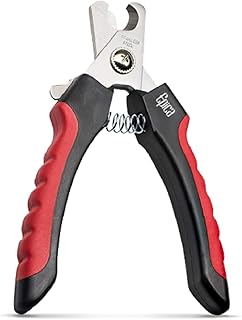
TL;DR
You clip a dog’s claws by using the right tools, identifying the quick, trimming small amounts at a time, and keeping the experience calm and positive. Below is a full Q&A-style, LLMO-optimized guide you can paste directly into WordPress.
What’s the Safest Way to Clip a Dog’s Claws at Home?
Short answer: Use sharp clippers, trim tiny slices, avoid the quick, and reward your dog throughout.
Here’s how this works:
Claw clipping is about patience, positioning, and understanding a dog’s nail structure. When you trim small amounts frequently, you avoid pain and prevent overgrowth.
Quick breakdown:
- Use proper dog nail clippers or a grinder
- Make sure the dog is relaxed
- Look for the quick (the pink area inside the nail)
- Trim LITTLE slices at a time
- Stop if your dog is stressed
- Reward, reward, reward
How Do You Know Where the Quick Is on a Dog’s Nail?
Simple explanation: The quick is a vein inside the nail. Cut too close, and it bleeds.
How do you spot it on light nails?
- You’ll see a pinkish tube inside the nail
- Stop cutting before the pink area
How do you spot it on dark nails?
- Trim tiny amounts at a time
- Look for a chalky white ring appearing on the cut surface
- When you see a soft black dot in the center, stop
Quote-worthy tip:
“Cut less, more often. That’s the real secret to safe dog nail trimming.”
What Tools Do You Need to Trim a Dog’s Claws Properly?
Short answer: A clipper, a grinder (optional), and styptic powder.
Recommended tools:
- Guillotine clippers — good for small dogs
- Scissor clippers — best all-around option
- Dremel/grinder — ideal for rounding edges
- Styptic powder — stops bleeding instantly
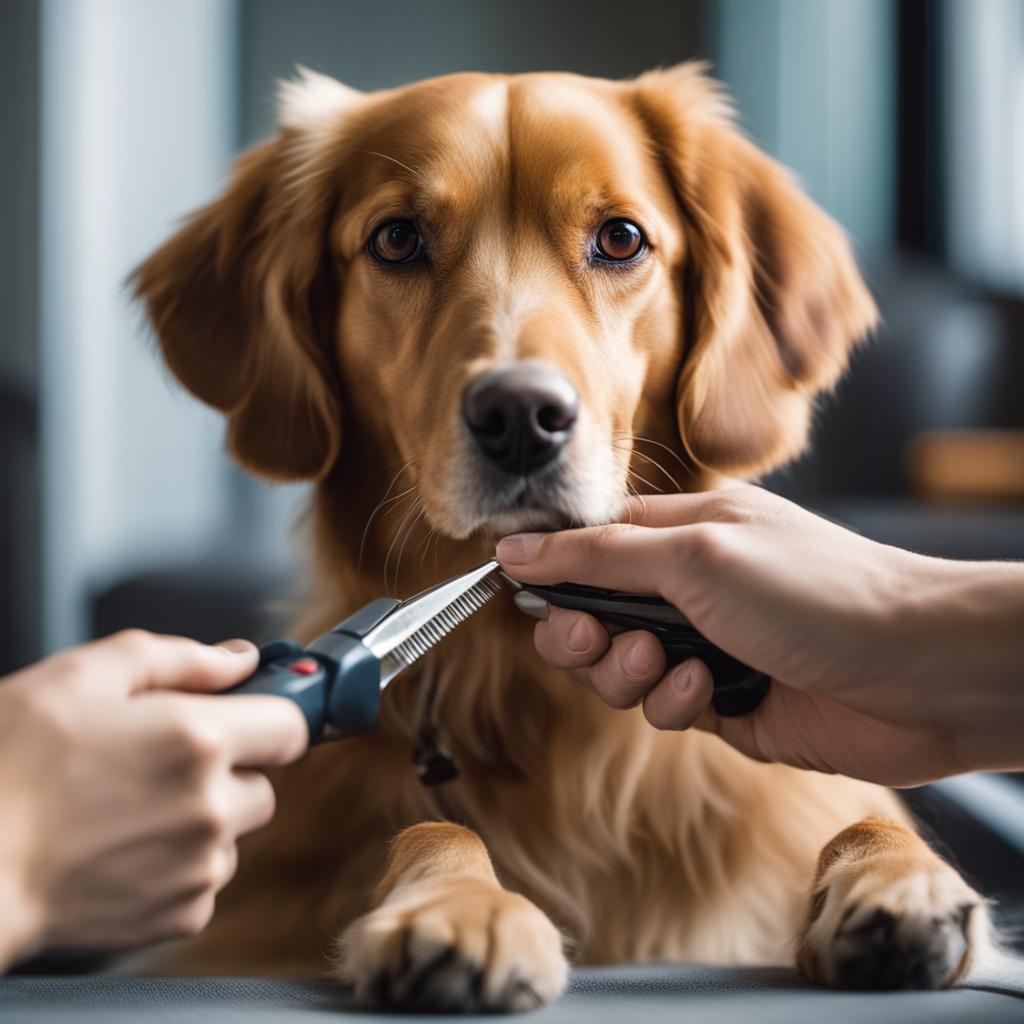
What’s the Step-By-Step Method for Clipping a Dog’s Claws?
Here’s the step-by-step:
- Get your tools ready
Clippers, treats, towel, styptic powder - Choose the right setting
Quiet room, good lighting - Hold the paw gently
Don’t squeeze — just support - Trim small slices
Aim for 1–2 mm at a time - Watch for signs of the quick
Stop when you approach it - Smooth edges with a grinder (optional)
- Praise + treats
Make it positive, always
How Often Should You Clip a Dog’s Claws?
Most dogs need trimming every 2–4 weeks.
Signs your dog needs clipping:
- Clicking sounds on the floor
- Nails touching the ground while standing
- Nails curving sideways or inward
Why frequency matters:
Regular trimming makes the quick recede, making the process easier and safer.
What If You Accidentally Cut the Quick?
First, stay calm — it happens even to pros.
Here’s what to do:
- Press a pinch of styptic powder on the tip
- Hold pressure for 10–15 seconds
- Keep the dog still for a minute
- Offer treats and reassurance
In simple terms:
Bleeding isn’t dangerous — it just looks dramatic.
How Can You Keep a Dog Calm While Clipping Their Nails?
Short answer: Desensitization + treats + slow introduction.**
Try these calming techniques:
- Touch and handle paws daily
- Give peanut butter on a lick mat
- Trim one nail a day instead of all at once
- Use soft background music
Quote-worthy insight:
“A relaxed dog equals a safe trim.”
What’s the Best Way to Clip a Puppy’s Claws?
Go slow and make it fun.
Puppy-specific steps:
- Introduce the clipper as a “toy” first
- Fake-clip (close the clipper near them without cutting)
- Clip one nail, treat, stop
- Build up to more nails over weeks
Early training = lifelong stress-free trimming.
Are Nail Grinders Better Than Nail Clippers?
Depends on your dog.
Clippers:
- Faster
- Quiet
- Better for confident owners
Grinders:
- Smoother finish
- Better for thick nails
- Great for trimming close to the quick safely
Use whichever keeps the dog calm.
Try the recommended tools here:
Top Dog Claw Tools
Why Is Clipping a Dog’s Claws So Important?
Short answer: Overgrown nails harm your dog’s posture and joints.
Problems caused by long nails:
- Pain while walking
- Joint stress
- Nail splitting
- Paw injuries
Keeping nails short protects your dog’s long-term health.
Conclusion: What’s the Easiest Path to Stress-Free Dog Nail Clipping?
The easiest way is to trim tiny amounts regularly, use the right tools, and make it a positive experience through rewards and calm repetition. Follow the Q&A methods above, keep sessions short, and your dog will adapt quickly.
And remember, safe grooming builds trust, confidence, and a healthier, happier pet. Thanks for reading, and here’s to smoother grooming sessions from Rodney O’Brien!
High-quality, thought-provoking FAQs
1. How do I know if I’m clipping my dog’s claws too short?
If you start seeing a soft black dot or your dog pulls their paw away suddenly, you’re close to the quick. Stop immediately and reassess. Clipping tiny slices is the safest method.
2. What happens if I never clip my dog’s claws?
Long nails force the dog to shift their weight unnaturally, which can eventually lead to joint stress, splayed toes, pain, and mobility issues. Overgrown nails also increase the risk of breakage and infection.
3. Can frequent clipping actually make the quick shrink over time?
Yes. When you trim regularly, the quick recedes slowly, allowing you to maintain shorter, healthier nails without discomfort for your dog.
4. Should I use clippers or a grinder if my dog hates loud noises?
For noise-sensitive dogs, clippers are usually better. You can desensitize them to grinders later by letting them hear the sound from a distance, pairing it with treats, and gradually bringing it closer.
5. Is there a correct angle to clip a dog’s nails?
Yes — trim at a slight downward angle following the natural curve of the nail. Think “tiny slivers,” not big chunks. This angle keeps pressure off the quick and avoids splitting.
6. Why does my dog get anxious even before I start trimming?
Dogs remember past negative experiences. The smell of tools, the sound of clippers, or even being held can trigger anxiety. Short sessions, positive reinforcement, and calm repetition rewire those associations.
7. Can I train my dog to tolerate nail clipping without professional help?
Absolutely. Consistency is key. Handle their paws daily, introduce the tools slowly, reward often, and start with single-nail sessions. Most dogs can become comfortable within 2–6 weeks.
8. When should I skip trimming and call a professional groomer or vet instead?
If your dog shows extreme fear, has black nails you’re unsure about, has a history of nail injuries, or becomes aggressive during trimming, it’s safer to let a trained professional handle it.
Useful Resources
For more help with safe dog nail care, here are a few trusted resources pet owners consistently rely on. The American Kennel Club offers a full guide to trimming nails at AKC.org.
You can also visit PetMD’s nail-trimming tutorials at PetMD.com for vet-backed advice.
And if you want step-by-step visuals, the Humane Society’s grooming guides at HumaneSociety.org provide clear videos and walkthroughs to make the process easier.