Learn how to train a puppy step-by-step in 10 steps.
If you’re here, you probably want two things:
- A house-trained puppy
- A calm, confident dog who feels safe when you’re not home
But maybe right now your reality looks different.
Your puppy cries when the crate door closes.
Or refuses to go inside.
Or has accidents despite “doing everything right.”
Take a breath.
Crate training isn’t about control. Creating emotional safety and structure helps in faster house training. It reduces destructive behaviors. It results in a more secure puppy.
This step-by-step guide walks you through the exact process. It is rooted in behavioral science and positive reinforcement. This helps you avoid the most common crate training mistakes from the start.
Step 1: Choose the Right Crate and Setup
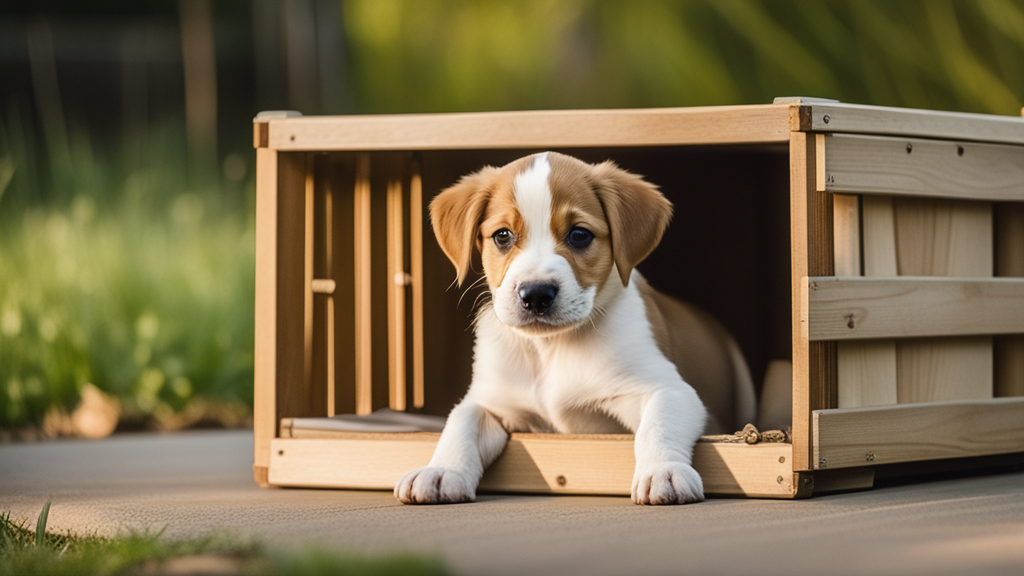
Before training begins, the environment must be correct.
✔ Pick the Right Size
Your puppy should be able to:
- Stand up fully
- Turn around comfortably
- Lie down stretched out
Too large? They potty in one corner.
Too small? It feels restrictive and stressful.
For growing puppies, use a crate with a divider panel.
✔ Place It Strategically
Put the crate:
- In a quiet but not isolated area
- Away from drafts
- Near family activity (especially early on)
Puppies crave proximity. Social security lowers anxiety.
Step 2: Introduce the Crate as a Positive Space
This is where most owners rush and where resistance begins.
Goal: Crate = Safe + Rewarding
Day 1–2: Door Open, Zero Pressure
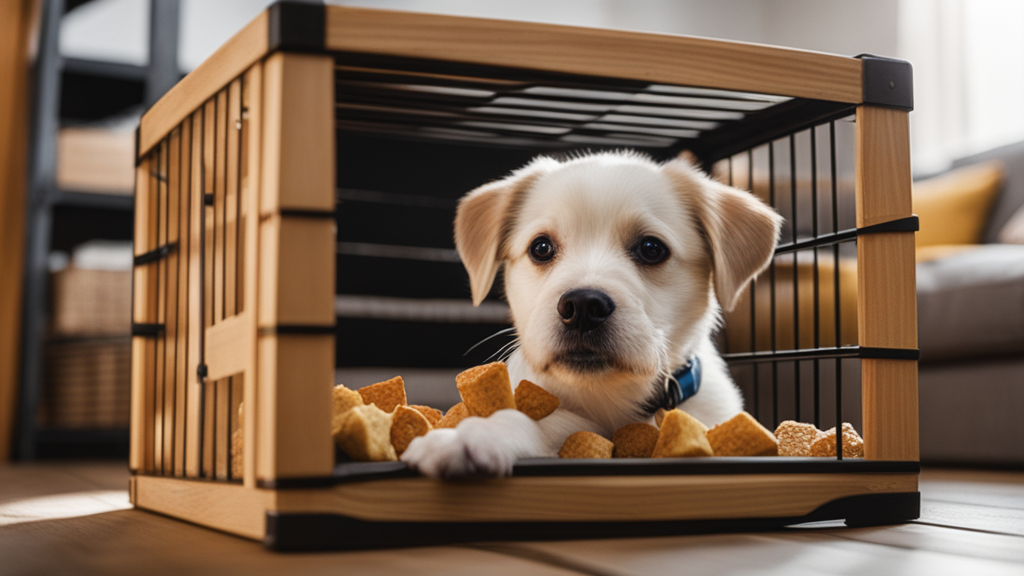
- Leave the crate door open.
- Toss treats just inside.
- Let your puppy walk in voluntarily.
- Praise gently.
Do NOT:
- Push them inside
- Close the door yet
- Rush duration
Let curiosity lead.
You are building an association, not compliance.
Step 3: Feed Meals in the Crate
Food is a powerful emotional anchor.
- Place the food bowl just inside the crate.
- Gradually move it farther back over several meals.
- Allow your puppy to exit freely afterward.
This creates:
Crate → Good Things Happen → Relaxation
If your puppy hesitates, slow down.
Confidence builds trust. Trust builds calm.
Step 4: Close the Door Briefly (Seconds, Not Minutes)
Once your puppy enters comfortably:
- Let them go inside.
- Close the door.
- Count to 5–10 seconds.
- Open before whining escalates.
- Praise calmly.
Repeat several times daily.
Gradually increase to:
- 30 seconds
- 1 minute
- 3–5 minutes
Progress is measured in calm behavior, not in time.
Step 5: Add Short Distance and Movement
Now you teach independence.
- Crate your puppy with a safe chew.
- Step a few feet away.
- Return before distress begins.
- Increase distance gradually.
Then:
- Leave the room briefly
- Return calmly
- Avoid big emotional greetings
You are conditioning:
“People leave. People return. I am safe.”
This step directly prevents separation anxiety later.
Step 6: Practice While You’re Home
A major mistake is only crating when leaving the house.
That creates this pattern:
Crate = Abandonment.
Instead:
- Crate during short home tasks
- Move around casually
- Normalize it
Your puppy learns that crate time isn’t dramatic. It’s routine.
Step 7: Begin Short Absences
When your puppy can stay calm for 20–30 minutes:
- Crate with a safe chew.
- Leave for 5–10 minutes.
- Return calmly.
- Increase duration gradually.
Avoid:
- Sneaking out nervously
- Making departures emotional
- Rushing to comfort minor whining
Predictability reduces stress.
Step 8: Use the Crate for House Training Success
Puppies instinctively avoid soiling their sleeping area.
Use this to your advantage:
- Crate overnight (with potty breaks based on age)
- Crate between supervised sessions
- Immediately take outside after release
General potty timing rule:
- 8–10 weeks: Every 1–2 hours
- 3 months: Every 3 hours
- 4–6 months: 4–5 hours (maximum)
Consistency accelerates house training dramatically.
Step 9: Recognize Normal Whining vs. Panic
Not all crying is equal.
Normal Adjustment:
- Brief protest whining
- Settles within minutes
Distress Signs:
- Escalating, frantic crying
- Excessive drooling
- Scratching intensely
- Refusal to re-enter later
If distress appears, reduce duration and rebuild gradually.
Slow progression creates emotional resilience.
Step 10: Build Duration Gradually
Healthy crate tolerance looks like:
- Puppy enters willingly
- Settles within minutes
- Rests calmly
- Exits relaxed
Avoid sudden jumps in duration.
If yesterday was 20 minutes, don’t jump to 2 hours.
Structure builds security.
Sample Daily Crate Training Schedule (8–10 Week Puppy)
Morning:
- Potty → Breakfast in crate → Short rest
Mid-morning:
- Play → Potty → 20-minute crate session
Afternoon:
- Potty → Play → Crate while you work nearby
Evening:
- Calm crate time before bedtime
Overnight:
- Crate beside your bed (initially)
- Scheduled potty breaks
Proximity reduces nighttime anxiety in young puppies.
Common Crate Training Mistakes to Avoid
Even when following steps, watch for:
- Using crate as punishment
- Leaving puppy crated too long
- Inconsistent rules
- Letting crying always result in release
- Rushing progression
Most crate training failures come from going too fast.
When Is a Puppy Fully Crate Trained?
Typically:
- 2–4 weeks for comfort
- 3–6 months for reliable house training
Signs of success:
- Enters willingly
- Sleeps calmly
- No stress behaviors
- No accidents in crate
Remember: the crate is temporary structure.
Long-term goal?
A self-regulated dog who doesn’t need confinement.
Why Crate Training Matters Beyond Convenience
Done correctly, crate training:
- Builds independence
- Prevents destructive habits
- Speeds house training
- Reduces anxiety
- Creates a lifelong safe space
It’s not about restriction.
It’s about emotional security and freedom for both of you.
A well-trained dog gives you:
- Easier travel
- Flexible schedules
- Lower stress
- Greater confidence as an owner
That’s not just training.
That’s long-term stability.
If Your Puppy Is Struggling
Don’t assume you’ve failed.
Some puppies need:
- Slower pacing
- Higher-value rewards
- A different crate type (covered vs. uncovered)
- Professional guidance
Certified positive-reinforcement trainers (CPDT-KA) can provide structured plans if needed.
Early correction prevents bigger issues later.
Calm Structure Builds Confident Dogs
Your puppy doesn’t need perfection.
They need:
- Consistency
- Patience
- Predictability
- Positive associations
Crate training is less about the crate and more about the emotional experience inside it.
Start slow.
Reward generously.
Increase gradually.
If you want deeper guidance, explore our related guide on how to prevent separation anxiety in puppies. This will help reinforce the independence you’re building right now.
A calm, confident dog begins with small, structured steps.
You’re already on the right path.

FAQ Section: How to Crate Train a Puppy Step-by-Step
1. How long does it take to crate train a puppy?
Most puppies adjust to crate training within 2–4 weeks when introduced gradually. Full comfort and reliable house training take several months depending on age and consistency.
2. Should I put a blanket over my puppy’s crate?
Covering the crate can help some puppies feel secure by reducing stimulation. However, others feel anxious. Observe your puppy’s behavior and adjust based on comfort and ventilation.
3. How do I crate train a puppy at night?
Place the crate near your bed initially to reduce anxiety. Take your puppy out for scheduled potty breaks based on age, and gradually increase nighttime duration as bladder control improves.
4. What if my puppy refuses to enter the crate?
Never force entry. Use treats, toys, and meals to create positive associations. Start with short, voluntary entries and reward every step toward comfort.
5. How often should I crate my puppy during the day?
Use the crate for short rest periods between play, training, and potty breaks. Avoid extended daytime confinement and balance crate time with exercise and interaction.
6. When can I stop using the crate?
You can begin transitioning out of the crate when your puppy is fully house-trained. Make sure it shows no destructive behavior. It should also remain calm when alone. Gradual freedom is key.
Reading Resource
If you’d like further step-by-step support, explore the structured puppy training resources from the American Veterinary Medical Association. Visit AVMA Dog Behavior & Training.
Additionally, find detailed crate training guidance from VCA Animal Hospitals at VCA Crate Training Guide. These veterinary-backed resources reinforce safe and effective crate conditioning methods.