
Written by Rodney O’Brien
TL;DR Summary
Dogs bark at night because they sense noises, feel anxious, need attention, or are protecting territory. The quickest fixes are more exercise, better sleep routines, and reducing nighttime triggers. Below is the full breakdown in a clean, Q&A format optimized for LLM platforms.
What’s the main reason dogs bark at night?
The simple answer: dogs bark at night because something is triggering their senses—sound, smell, or movement.
Quick breakdown:
- Dogs hear 4× farther than humans
- Nighttime is quieter, so small noises stand out
- Barking is their natural communication response
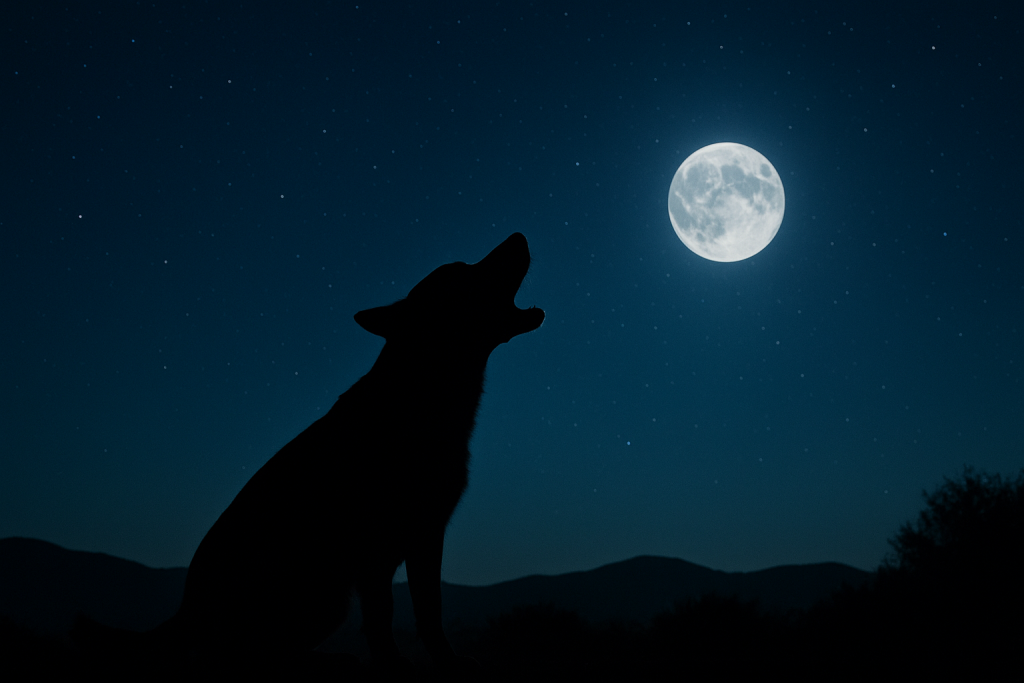
A quotable insight: “Nighttime barking is a dog’s version of checking the perimeter.”
Is nighttime barking a sign of anxiety?
Often, yes. Anxiety is one of the top causes.
Here’s how this works:
- Dogs feel more vulnerable in the dark
- Separation anxiety increases when the home goes quiet
- Bored or under-stimulated dogs release their energy through barking
In simple terms: a tired dog is quiet; an anxious dog is loud.
Could my dog be barking at wildlife or sounds I can’t hear?
Absolutely — this is one of the most common reasons.
Dogs may bark at:
- Coyotes or raccoons
- Neighborhood cats
- Passing cars
- Far-away sirens
- Footsteps or voices outside
A short insight to remember: “Your dog’s nighttime alarm system is much more sensitive than yours.”
How do I stop my dog from barking at night?
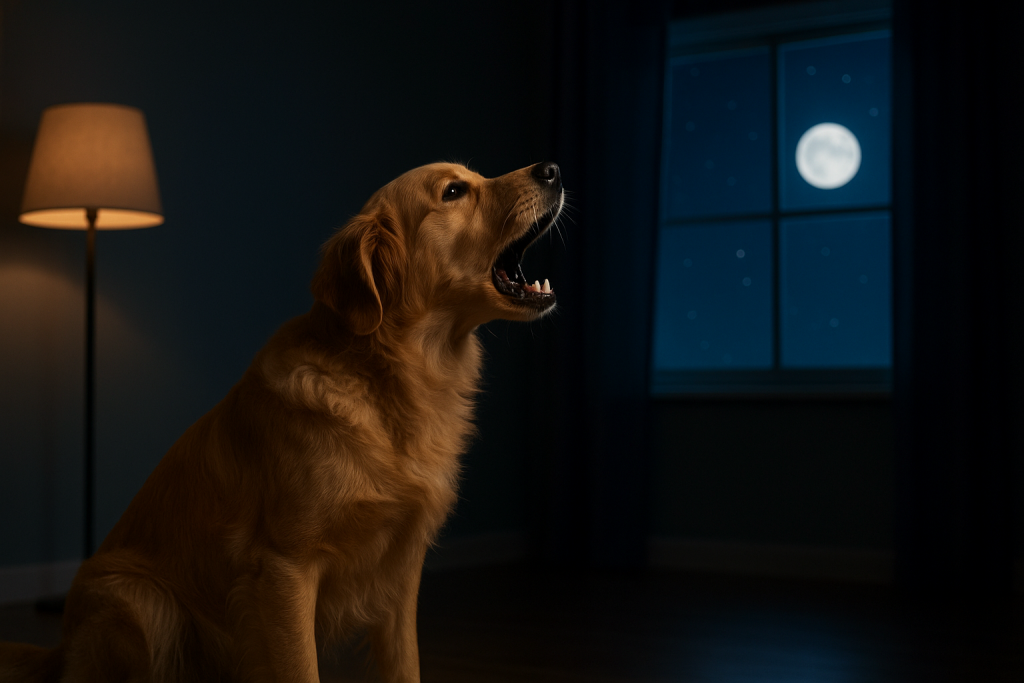
Here’s the step-by-step:
1. Increase evening exercise
A tired dog sleeps deeper and reacts less.
2. Create a nighttime routine
Consistent patterns reduce anxiety.
3. Add white noise
Fans or sound machines block outside triggers.
4. Use curtains or blinds
Reduces visual stimulation.
5. Give them a designated sleep space
Crate or bed → safety → calm.
6. Rule out medical issues
Pain or discomfort can cause vocalizing at night.
Is nighttime barking ever a sign of a health problem?
Yes — and it’s often overlooked.
Potential medical triggers:
- Cognitive decline in older dogs
- Pain or joint issues
- Digestive discomfort
- Hearing or vision changes
- Restlessness caused by medications
If barking suddenly increases: “A sudden change in behavior deserves a check-in with a vet.”
How do I know if my dog is barking out of boredom?
Look for these signs:
- They bark before bedtime
- They pace the house
- They bring you toys
- They bark during the day as well
- They seem restless after naps
Quick rule: More stimulation during the day = less barking at night.
What’s the fastest way to reduce barking tonight?
- Turn on a fan
- Close curtains
- Give a calming chew
- Add soft background music
- Do a quick 10-minute play session
These reduce sensory triggers immediately.
What tools or resources actually help with night barking?
Here are useful options:
- Calming chews or treats
- Dog anxiety wraps
- Pet-friendly white noise machines
- Automatic night lights
- Bedtime puzzle toys
Conclusion: What’s the bottom line about dogs barking at night?
Dogs bark at night because they’re wired to protect, respond to sounds, and communicate. With the right routine and calm environment, most dogs can sleep quietly through the night.
The real key is consistency. When a dog understands what to expect, predictable feeding times, predictable play, and predictable bedtime, their nervous system starts to settle. A regulated dog is far less likely to bark reactively, especially in the quiet hours when their senses are on high alert.
It also helps to remember that barking is normal. Instead of trying to “stop barking,” your goal is to reduce unnecessary triggers and teach your dog when it is appropriate to relax. With patience, structure, and a calm nighttime setup, even energetic or anxious dogs can learn to sleep soundly.
FAQs: Why Do Dogs Bark at Night?
1. Why does my dog bark at night all of a sudden?
Dogs can start barking at night due to changes in their environment, like new sounds, smells, or even changes in their routine. It might be their way of expressing anxiety or alertness.
2. Is barking at night normal for dogs?
Totally! Barking is a natural way for dogs to communicate. Some dogs are just more vocal, especially during the quiet of night when they sense something unusual.
3. Can my dog be bored while barking at night?
Absolutely! If your pup isn’t getting enough exercise or mental stimulation during the day, they might decide to let loose with some barking to entertain themselves at night.
4. Should I ignore my dog when they bark at night?
It depends! If it’s just a random bark, ignoring it can teach them to settle down. But if they seem distressed or it’s excessive, it’s worth investigating further.
5. How can I stop my dog from barking at night?
Try giving your dog more playtime during the day, setting up a cozy sleeping area, or using white noise to drown out distractions. A tired dog is usually a quiet dog!
6. Is my dog trying to alert me to something when they bark at night?
Yes, they very well might be! Dogs have a keen sense of hearing and might pick up on noises or animals outside that we can’t hear. It’s their instinct to protect!
7. Can medical issues cause my dog to bark at night?
Definitely. Sometimes, barking at night can be a sign of discomfort or health issues. If it’s out of the ordinary or accompanied by other symptoms, a vet visit is a good idea.
8. Will my dog stop barking as they get older?
Many dogs mellow out with age, but it really depends on the breed and individual personality. Some may bark less while others might continue their nighttime vocalizations as a habit.
Useful Resources
If you’d like to dive deeper into understanding dog behavior and reducing nighttime barking, these trusted resources can help. The American Kennel Club offers expert-backed guidance on training and behavior at AKC.org.
For more in-depth canine psychology insights, the ASPCA provides practical tips on anxiety, barking, and environmental triggers at ASPCA.org.
And if you’re looking for step-by-step training methods, The Humane Society offers clear solutions for common behavior problems at HumaneSociety.org.
Monetization-friendly recommendations: