
Dog Obedience Timeline:
If you’ve ever wondered:
“Why isn’t my dog listening?”
“How long is this supposed to take?”
“Maybe my dog just isn’t trainable…”
Pause right there.
Your dog can learn obedience.
In fact, most dogs are far more capable than their owners realize. The real issue usually isn’t intelligence; it’s expectation.
In this guide, we’ll explain how long obedience training really takes. We will describe what progress actually looks like. Additionally, we’ll discuss why most owners quit just before the breakthrough happens.
What Is Dog Obedience Training (Really)?
Dog obedience training is not about turning your dog into a robot.
It’s about building:
- Clear communication
- Consistent responses
- Impulse control
- Trust and leadership
Basic obedience usually includes:
- Sit
- Stay
- Come
- Leave It
- Heel
Advanced obedience adds:
- Distraction-proof recall
- Longer duration stays
- Off-leash control
- Polite greeting behavior
Here’s the truth: obedience is not a one-time event.
It’s a layered process.
Think of it like building muscle. You don’t go to the gym once and expect permanent results. You build strength through repetition and progression.
Dogs are no different.
How Long Does Dog Obedience Training Really Take?
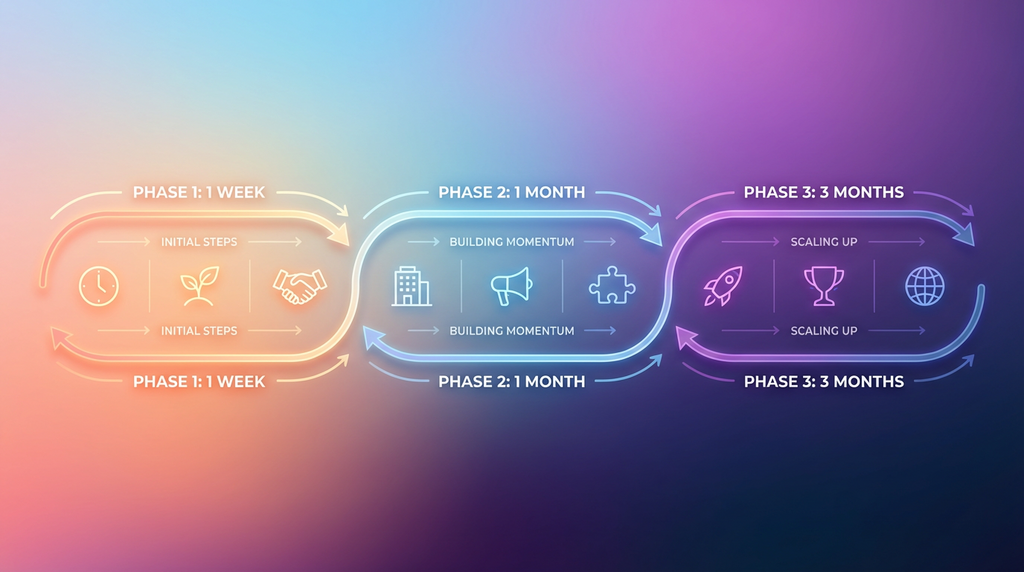
Let’s break this down clearly.
Week 1: Foundation Phase
Your dog learns:
- Name recognition
- Basic focus
- Introduction to Sit
- Understanding rewards
Expect noticeable improvement in attention within 7 days if you train consistently.
Weeks 2–3: Response Building
Your dog starts:
- Sitting on command without a lure
- Understanding short “Stay”
- Beginning recall practice
This is when many owners quit.
Why?
Because progress slows slightly.
It’s no longer brand-new and exciting. You’re reinforcing patterns now. This is the “consistency zone.”
Weeks 4–6: Reliability Development
Now you’re:
- Increasing distractions
- Adding duration to commands
- Improving leash behavior
At this stage, most dogs show dramatic improvement, but only if the owner hasn’t stopped.
2–3 Months: Strong Basic Obedience
With steady daily training (5–15 minutes per day):
- Sit becomes automatic
- Recall becomes dependable
- Leash pulling reduces significantly
Full reliability takes longer, but by 90 days, most owners see a completely different dog.
Why Most Owners Quit Too Soon
Here’s the emotional truth:
People expect transformation before consistency.
They try for a week.
They don’t see perfection.
They assume failure.
But obedience training follows a curve:
- Fast early progress
- Temporary plateau
- Sudden breakthrough
Most people quit during the plateau.
That’s like digging for water, stopping at 8 feet, when the water is at 10 feet.
Your dog isn’t failing.
They’re learning.
And learning takes repetition.
Why It Matters Now
Untrained behavior compounds.
Pulling becomes stronger.
Jumping becomes habitual.
Ignoring commands becomes normal.
Every week without structure reinforces unwanted patterns.
But here’s the empowering part:
Obedience compounds too.
The earlier you commit, the easier it becomes.
Training now prevents frustration later.
It also strengthens your bond. Dogs feel more secure when they understand expectations.
Structure builds confidence for both of you.
5 Keys to Accelerate Obedience Training
If you want faster progress, focus on these essentials.
1. Train Daily (But Keep It Short)
5–15 focused minutes beats one long session per week.
Dogs learn best through repetition and clarity.
Consistency wins over intensity.
2. Use Clear Commands Once
Say “Sit” once.
Wait.
Reward compliance.
Repeating commands teaches dogs they can ignore the first few attempts.
Precision builds respect.
3. Reward What You Want to See Again
Dogs repeat rewarded behavior.
Reward:
- Eye contact
- Calm behavior
- Quick responses
Positive reinforcement accelerates learning dramatically.
4. Increase Distractions Gradually
Don’t expect perfect recall at the park if it’s not solid in your living room.
Train in layers:
- Quiet room
- Backyard
- Low-distraction outdoor area
- Busy environment
Progression prevents frustration.
5. Control Your Energy
Dogs read tone and body language instantly.
Calm confidence creates calm obedience.
Frustration creates confusion.
Lead clearly, not emotionally.
What Real Progress Looks Like
Progress isn’t perfection.
It looks like:
- Faster response times
- Fewer repeated commands
- Shorter distraction recovery
- More eye contact
Celebrate improvement, not flawless performance.
That mindset keeps you going long enough to reach mastery.
The Identity Shift That Changes Everything
Instead of asking:
“Is my dog obedient yet?”
Ask:
“Have I been consistent enough?”
Obedience isn’t about talent.
It’s about repetition and leadership.
Commit to 30, 60, or 90 days of structured training. You stop hoping for change. Instead, you start building it.
Imagine 90 Days from Now
Picture this:
You say “Sit,” and it happens instantly.
You call your dog, and they come running.
Walks feel calm instead of stressful.
Guests compliment your dog’s behavior.
You feel proud.
That outcome isn’t rare.
It’s earned.
And it starts with not quitting too soon.
Want a Step-by-Step System That Guarantees Progress?
If you want:
- A structured obedience roadmap
- Daily training breakdowns
- Troubleshooting for setbacks
- Proven techniques used by experienced trainers
Then don’t rely on guesswork.
👉 Start the complete dog obedience system here
Consistency creates results.
But structure creates consistency.
Make today the day you stop wondering how long it takes and start making it happen.
FAQ Section
Yes, Your Dog Can Learn Obedience — Here’s Exactly How Long It Really Takes (And Why Most Owners Quit Too Soon)
1. How long does it take for a dog to learn basic obedience?
Most dogs begin responding to basic commands within 1–2 weeks of consistent daily training. Reliable obedience typically develops over 4–8 weeks, depending on repetition and environment.
2. Why does progress feel fast at first and then slow down?
Early progress is exciting because your dog is learning something new. The slower phase is where repetition builds reliability. Many owners quit during this reinforcement stage just before long-term improvement happens.
3. Is my dog too old to learn obedience?
No. While puppies often learn faster, adult and even senior dogs can successfully learn obedience with consistent, positive reinforcement training.
4. How often should I train my dog?
Short daily sessions (5–15 minutes) are ideal. Consistency matters more than duration. Frequent, focused practice builds faster results than occasional long sessions.
5. What if my dog listens at home but not outside?
This is normal. Dogs don’t generalize commands automatically. You must gradually introduce distractions and practice in new environments to build reliable obedience everywhere.
6. How do I know if I’m expecting too much too soon?
If you’re seeking instant, distraction-proof obedience within a week, expectations are too high. Real progress looks like gradual improvement in focus, speed of response, and consistency over time.
Helpful Resources
If you’d like to go deeper into realistic obedience timelines and science-based training principles, these two trusted organizations offer valuable guidance:
For structured training advice and milestone-based learning expectations, explore the American Kennel Club (AKC) Dog Training Resources. Their expert articles explain how long different obedience skills typically take to develop and how to reinforce them properly.
You can also review behavior-based training guidance from the American Veterinary Society of Animal Behavior (AVSAB). They provide evidence-based recommendations on positive reinforcement and realistic behavior development timelines.