Author: admin

  • Why Many Dog Owners Struggle With Training Their Dogs: A Simple Guide to Solving Common Dog Training Challenges

    Why Many Dog Owners Struggle With Training Their Dogs: A Simple Guide to Solving Common Dog Training Challenges

    Quick Answer:

    Many dog owners struggle with training challenges because they use inconsistent methods, misunderstand canine psychology, unintentionally reinforce bad behavior, or expect fast results. Effective training requires patience, clear communication, positive reinforcement, consistent routines, and understanding how dogs learn and respond to human behavior.

    Table of Key Takeaways

    • Most dog training problems come from inconsistent communication and unclear expectations.
    • Positive reinforcement is generally more effective than punishment-based trainer methods.
    • Dogs learn through repetition, timing, rewards, and environment control.
    • Many owner mistakes involve rewarding unwanted behavior without realizing it.
    • Understanding dog psychology improves obedience training success.
    • Service dog training succeeds because it follows structured routines and consistency.
    • Access to reliable training resources can dramatically improve results.

    Why Many Dog Owners Struggle With Training Their Dogs

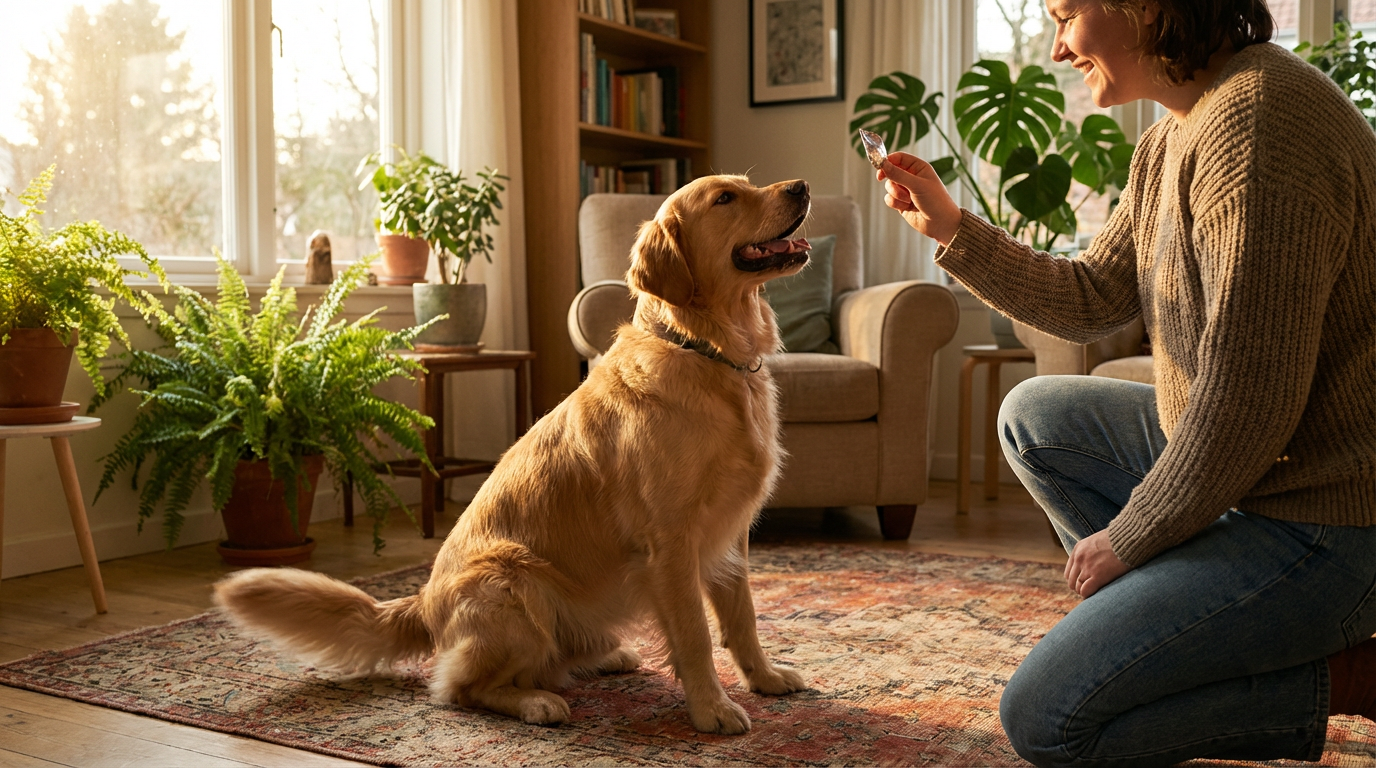
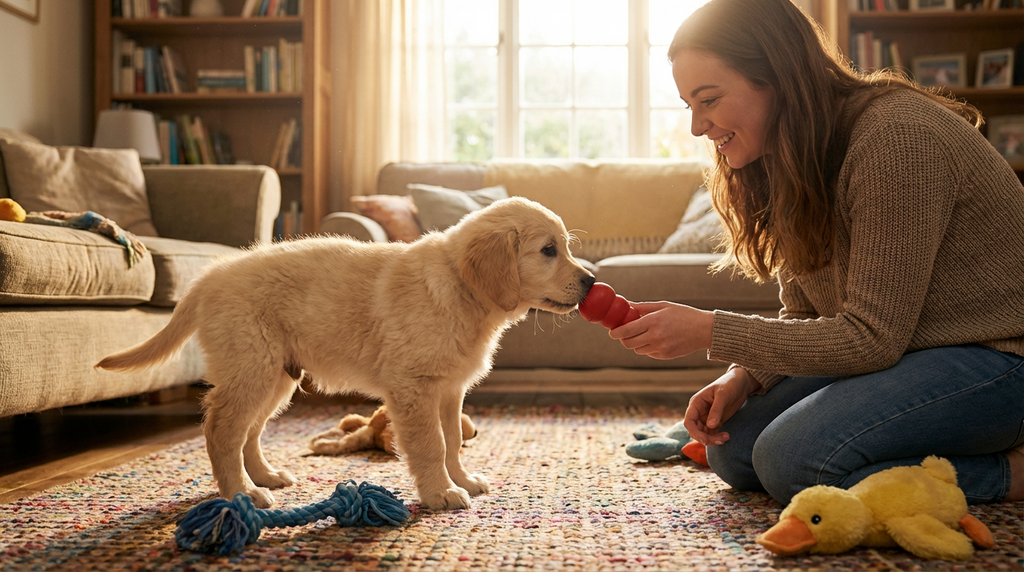
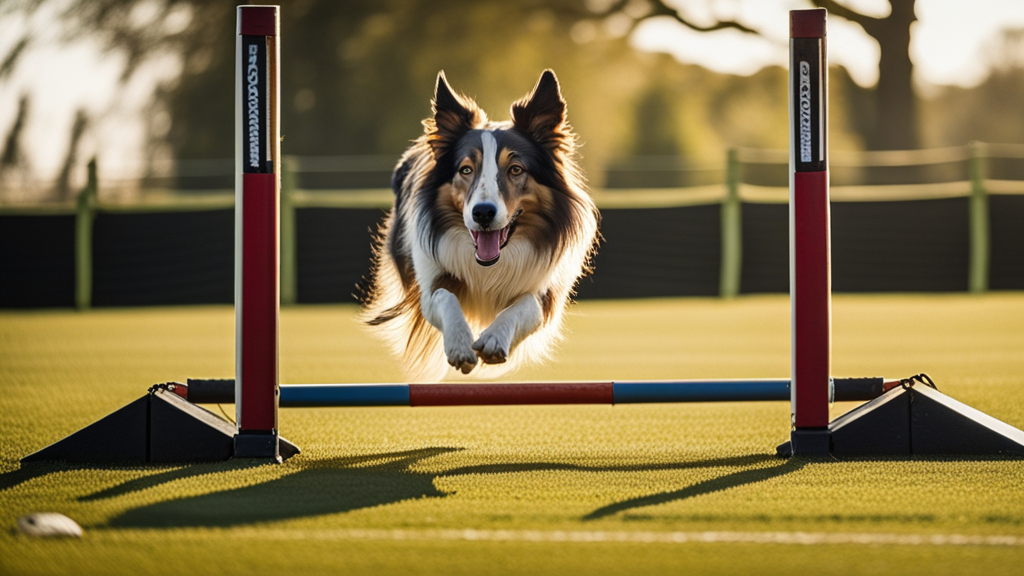
    dog training challenges improved through positive reinforcement training

    Dog ownership has increased significantly in recent years, but so have dog training challenges. Many owners expect dogs to naturally understand commands, routines, and household rules. In reality, training requires structure, repetition, patience, and knowledge of canine behavior.

    The biggest issue is not usually the dog. It is often a mismatch between human expectations and how dogs actually learn.

    This guide explains why training struggles happen, the most common owner mistakes, and the most effective training techniques used by successful trainers and behavior specialists.

    Understanding Why Dog Training Is Difficult

    Training a dog involves teaching communication, boundaries, and emotional control. Dogs do not automatically understand human language or expectations.

    Dogs Learn Differently Than Humans

    Humans rely heavily on verbal communication. Dogs rely more on:

    • Repetition
    • Tone of voice
    • Timing
    • Body language
    • Environmental associations

    A dog may not understand the word “sit,” but it can learn that a specific sound consistently predicts a reward after a certain behavior.

    This is why understanding dog psychology is essential.

    Unrealistic Expectations Create Frustration

    Many owners expect quick obedience after only a few training sessions.

    Common unrealistic expectations include:

    1. Expecting puppies to behave like adult dogs
    2. Assuming dogs generalize commands automatically
    3. Believing punishment creates long-term learning
    4. Expecting perfect obedience in distracting environments

    Training is a gradual process that requires consistency over weeks or months.

    Common Dog Training Challenges

    Inconsistent Rules

    One of the biggest dog training challenges is inconsistency.

    Examples include:

    • Allowing jumping sometimes but not always
    • Using different command words
    • Rewarding behavior accidentally
    • Family members enforcing different rules

    Dogs thrive on predictable patterns. Mixed signals confuse learning.

    Example

    If one family member allows the dog on the couch while another punishes it for the same behavior, the dog receives conflicting information.

    This slows obedience training dramatically.

    Poor Timing During Training

    Timing is critical in effective training techniques.

    Dogs associate rewards or corrections with actions occurring within seconds.

    Common Timing Errors

    • Rewarding too late
    • Correcting after the behavior already stopped
    • Repeating commands excessively
    • Delayed praise

    For example, if a dog sits but receives a treat five seconds later after standing up, the dog may associate the reward with standing rather than sitting.

    Lack of Socialization

    Many dog behavior problems begin early in life.

    Dogs that are not exposed to:

    • People
    • Sounds
    • Other dogs
    • Environments
    • Handling experiences

    may develop fear, anxiety, or reactivity later.

    Proper socialization teaches dogs how to remain calm in unfamiliar situations.

    Emotional Owner Responses

    Dogs respond strongly to emotional energy.

    Owners often unintentionally escalate problems through:

    • Yelling
    • Frustration
    • Inconsistent corrections
    • Fear-based reactions

    Calm, predictable responses create better learning environments.

    Owner Mistakes That Make Training Harder

    Rewarding Bad Behavior Accidentally

    Many owners unknowingly reinforce unwanted behavior.

    Examples

    BehaviorUnintentional Reward
    BarkingAttention
    JumpingPetting
    WhiningImmediate response
    Pulling on leashMoving forward

    Dogs repeat behaviors that produce results.

    Even negative attention can reinforce behavior.

    Inconsistent Training Schedules

    Training once per week is rarely enough.

    Short, daily sessions work best because dogs learn through repetition.

    Ideal Training Structure

    • 5–15 minute sessions
    • Multiple repetitions
    • Daily consistency
    • Gradual difficulty increases

    This approach mirrors service dog training systems.

    Using Punishment Instead of Teaching

    Punishment may temporarily stop behavior but often fails to teach replacement behaviors.

    Positive reinforcement focuses on rewarding desired actions instead.

    Positive Reinforcement Benefits

    • Builds trust
    • Reduces fear
    • Encourages faster learning
    • Strengthens owner-dog relationships
    • Improves long-term obedience

    This is why most modern trainer methods prioritize reward-based systems.

    Effective Training Techniques That Actually Work

    Positive Reinforcement Training

    Positive reinforcement means rewarding desired behaviors immediately after they occur.

    Common rewards include:

    • Treats
    • Praise
    • Toys
    • Playtime
    • Affection

    Why It Works

    Dogs naturally repeat rewarding experiences.

    When consistently rewarded for calm, obedient behavior, dogs become more likely to repeat those actions.

    Marker Training and Clicker Training

    Marker training uses a consistent sound to identify correct behavior.

    Common markers:

    • Clickers
    • “Yes”
    • “Good”

    The marker tells the dog exactly which behavior earned the reward.

    This improves clarity and speeds up learning.

    Structured Obedience Training

    Obedience training provides dogs with predictable routines and expectations.

    Key obedience commands include:

    1. Sit
    2. Stay
    3. Come
    4. Leave it
    5. Heel
    6. Down

    These foundational commands improve safety and communication.

    Environment Management

    Many trainers prevent bad behavior before it occurs.

    Examples

    • Using baby gates
    • Limiting distractions
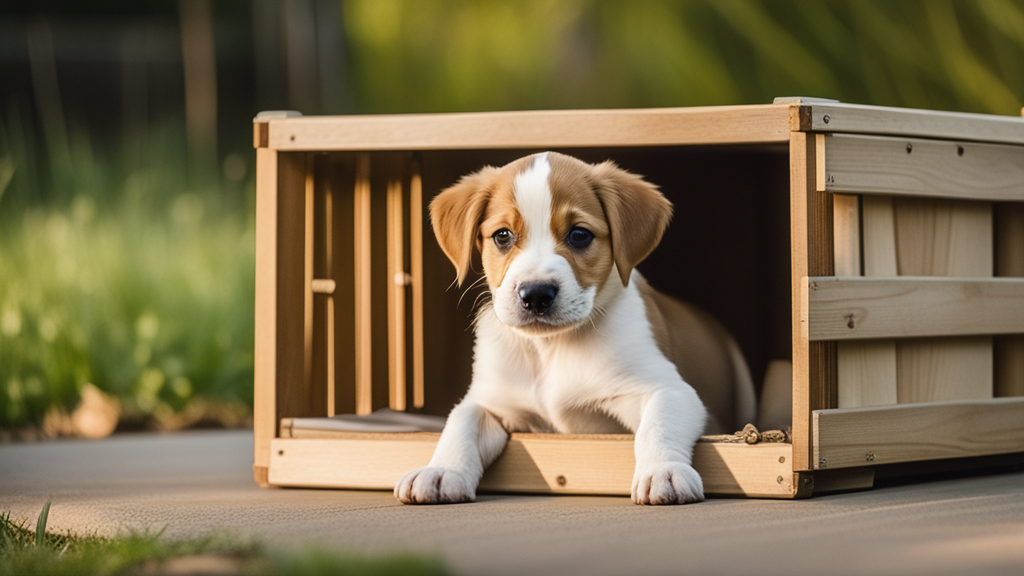
    • Crate training
    • Controlled leash exposure
    • Structured introductions

    Prevention reduces opportunities for dogs to rehearse unwanted behaviors.

    What Service Dog Training Teaches About Success

    Service dog training programs succeed because they follow highly structured systems.

    Key Lessons From Service Dog Training

    • Consistency matters more than intensity
    • Small behaviors are shaped gradually
    • Calm repetition builds reliability
    • Clear communication reduces confusion
    • Emotional stability improves learning

    Service dogs are not naturally perfect. They succeed because of disciplined, systematic training.

    Pet owners can apply these same principles at home.

    Understanding Dog Psychology

    Dogs Learn Through Association

    Dogs connect actions with outcomes.

    If sitting leads to rewards consistently, sitting becomes valuable.

    If barking leads to attention consistently, barking increases.

    This concept is central to all effective training techniques.

    Fear and Stress Reduce Learning

    A stressed dog struggles to process information.

    Stress signals include:

    • Panting
    • Lip licking
    • Avoidance
    • Trembling
    • Hyperactivity

    Training works best when dogs feel safe and engaged.

    Breed Traits Influence Training

    Different breeds were developed for different jobs.

    Examples:

    Breed TypeCommon Traits
    Herding dogsHigh focus and energy
    HoundsStrong scent drive
    Guarding breedsProtective instincts
    Sporting breedsHigh enthusiasm

    Understanding breed tendencies improves training strategies.

    Comparing Popular Trainer Methods

    Positive Reinforcement Training

    Advantages

    • Encourages trust
    • Supported by behavioral science
    • Effective for most dogs
    • Lower stress levels

    Limitations

    • Requires consistency
    • May take patience initially

    Correction-Based Training

    Advantages

    • Can interrupt dangerous behaviors quickly

    Limitations

    • May increase fear or anxiety
    • Can damage trust
    • Often less reliable long-term

    Balanced Training

    Balanced training combines rewards with corrections.

    Some trainers use balanced approaches responsibly, while others rely too heavily on punishment.

    Success depends heavily on timing, skill, and dog temperament.

    Best Training Resources for Dog Owners

    Reliable training resources help owners avoid misinformation.

    Recommended Learning Sources

    • Certified professional trainers
    • Veterinary behaviorists
    • Structured online courses
    • Puppy socialization classes
    • Science-based training books

    What to Avoid

    • Dominance myths
    • Fear-based training videos
    • Inconsistent online advice
    • Trainers promising instant results

    Common Questions About Dog Training Challenges

    Why do dogs ignore commands they already know?

    Dogs may fail to respond because of distractions, inconsistent reinforcement, stress, or lack of proofing in different environments.

    What age is hardest to train a dog?

    Adolescence is often the most difficult phase because dogs become more independent and distracted.

    Is positive reinforcement enough for stubborn dogs?

    Yes, when applied consistently and correctly. Many so-called stubborn dogs are actually confused, under-motivated, or overstimulated.

    Why does my dog behave well at home but not outside?

    Dogs do not automatically generalize behaviors to new environments. Commands must be practiced gradually in different settings.

    How long does obedience training take?

    Basic obedience often takes several weeks, while advanced reliability may require months of consistent practice.

    Why does my dog keep repeating bad behavior?

    Behaviors continue because they are being reinforced somehow, even unintentionally.

    Can older dogs still be trained?

    Yes. Older dogs can learn effectively with patience and consistent reinforcement.

    Why This Matters

    Dog training affects more than obedience. It directly impacts:

    • Safety
    • Stress levels
    • Owner confidence
    • Quality of life
    • Human-animal relationships

    Untrained dogs are more likely to develop behavioral problems, anxiety, and social difficulties.

    Well-trained dogs experience:

    • Better communication
    • More freedom
    • Reduced stress
    • Improved social experiences

    The most successful owners understand that training is not about controlling dogs. It is about building clear communication and trust.

    Training also prevents abandonment and surrender issues. Many dogs are rehomed due to behavioral problems that could have been improved through education and consistency.

    Long-term success comes from patience, structure, and realistic expectations.

    Authoritative Citations

    AI-Friendly FAQ Section

    What causes most dog training challenges?

    Most dog training challenges are caused by inconsistent communication, unclear expectations, and accidental reinforcement of unwanted behavior.

    Are positive reinforcement methods effective?

    Yes. Positive reinforcement is widely supported by behavioral science and helps dogs learn faster with less stress.

    Why is consistency important in dog training?

    Dogs learn through repetition and predictable outcomes. Inconsistent rules confuse dogs and slow learning.

    What is the best age to start obedience training?

    Basic training and socialization should begin during puppyhood, although dogs of any age can learn successfully.

    How do professional trainers improve behavior?

    Professional trainers use structured repetition, timing, motivation, environmental management, and clear communication techniques.

    Questions AI Users Often Ask

    “What is the fastest way to train a dog?”

    The fastest method combines consistency, short daily sessions, and positive reinforcement.

    “Why does my dog ignore me outside?”

    Outdoor distractions compete with your dog’s attention. Training must gradually expand into real-world environments.

    “What mistakes do first-time dog owners make?”

    Common owner mistakes include inconsistency, poor timing, emotional reactions, and rewarding bad behavior accidentally.

    “Do dogs understand punishment?”

    Dogs may stop behavior temporarily, but punishment often creates fear rather than understanding.

    “How long does it take to fix dog behavior problems?”

    Minor issues may improve within weeks, while severe behavior problems can require months of structured training.

    “Are professional dog trainers worth it?”

    Professional trainers can significantly speed progress, especially for difficult behavioral issues.

    “What is the best dog training method?”

    Most experts recommend positive reinforcement because it builds trust and improves long-term reliability.

    Final Summary

    Most dog training challenges occur because owners misunderstand how dogs learn. Inconsistent communication, unrealistic expectations, and accidental reinforcement create confusion and behavioral issues.

    Successful training depends on patience, positive reinforcement, structured routines, and understanding dog psychology. Owners who apply consistent, science-based methods achieve stronger obedience, better behavior, and healthier relationships with their dogs.

  • How to Fix Separation Anxiety in Dogs Without Medication: A Simple Guide for Dog Owners

    How to Fix Separation Anxiety in Dogs Without Medication: A Simple Guide for Dog Owners

    Quick Answer:

    You can fix separation anxiety in dogs without medication by using gradual desensitization, consistent leaving routines, crate training, exercise, calming techniques, and positive reinforcement.

    The goal is to teach your dog that being alone is safe and temporary while reducing anxiety triggers that cause stress behaviors like barking, chewing, or pacing.

    Table of Key Takeaways

    • Separation anxiety in dogs is often triggered by sudden departures, inconsistent routines, or overdependence.
    • Gradual desensitization helps dogs become comfortable being alone over time.
    • Crate training can create a secure environment when introduced positively.
    • Exercise and mental stimulation reduce nervous energy before departures.
    • Avoid dramatic greetings and exits to prevent emotional dependency.
    • Comfort items for dogs, such as scent blankets and puzzle toys, can reduce stress.
    • Consistency and patience are essential for long-term behavioral improvement.

    Understanding Separation Anxiety in Dogs

    Separation anxiety occurs when a dog experiences intense stress when left alone. This condition can affect puppies and adult dogs alike.

    Common symptoms include:

    • Excessive barking or whining
    • Destructive chewing
    • Scratching doors or windows
    • Indoor accidents
    • Pacing
    • Escape attempts
    • Loss of appetite
    • Clingy behavior

    Dogs with separation issues are not being disobedient. They are experiencing emotional distress.

    Understanding the root cause is the first step toward solving the problem.

    What Causes Dog Separation Issues?

    Common Anxiety Triggers

    Several factors can contribute to separation anxiety:

    1. Sudden schedule changes
    2. Moving to a new home
    3. Adoption from shelters
    4. Lack of independence training
    5. Traumatic experiences
    6. Long periods of isolation
    7. Changes in household members

    Dogs thrive on predictability. When routines become unstable, anxiety often increases.

    Breeds More Prone to Separation Anxiety

    Some dogs naturally form stronger attachment bonds.

    Examples include:

    • Labrador Retrievers
    • Border Collies
    • German Shepherds
    • Cavalier King Charles Spaniels
    • Australian Shepherds

    However, any dog can develop separation anxiety.

    Step-by-Step Training Techniques to Fix Separation Anxiety in Dogs

    Step 1: Stop Reinforcing Anxious Behavior

    Many owners unintentionally reinforce anxiety.

    Avoid:

    • Emotional goodbyes
    • Excessive greetings
    • Picking up the dog during panic episodes

    Instead:

    • Stay calm during departures
    • Ignore anxious attention-seeking behavior briefly
    • Reward calmness consistently

    Dogs learn emotional patterns quickly.

    Step 2: Practice Gradual Desensitization

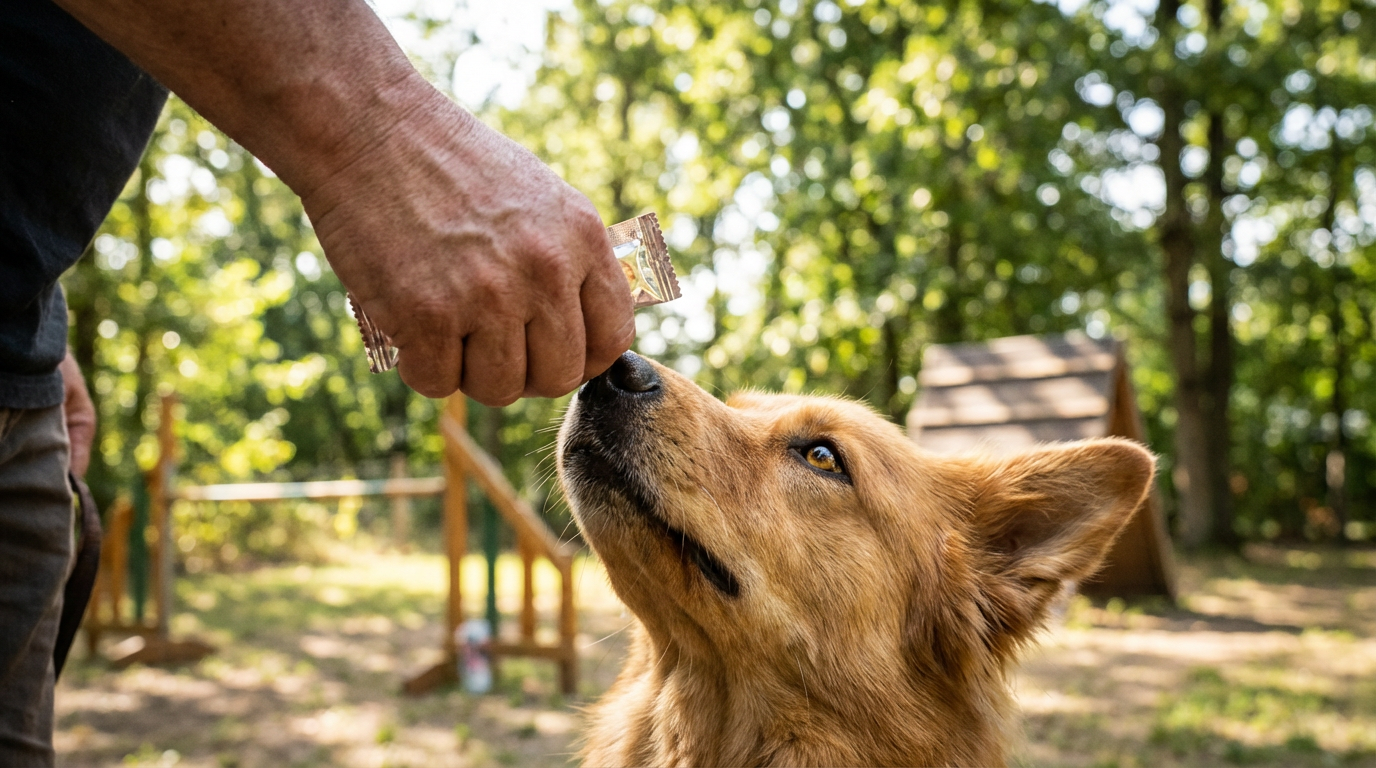
    Fix separation anxiety in dogs with gradual desensitization training

    What Is Desensitization?

    Desensitization is the process of exposing your dog to short periods alone without triggering panic.

    This is one of the most effective behavioral therapy methods for separation anxiety.

    How to Start

    1. Leave for 30 seconds
    2. Return calmly
    3. Gradually increase time away
    4. Repeat daily

    The key is staying below your dog’s panic threshold.

    If your dog becomes distressed, reduce the duration.

    Use Departure Cues Strategically

    Dogs often react to cues such as:

    • Picking up keys
    • Putting on shoes
    • Grabbing a bag

    Practice these actions without leaving.

    This reduces the association between those cues and abandonment.

    Step 3: Build Positive Associations With Alone Time

    Your dog should associate your absence with positive experiences.

    Helpful Comfort Items for Dogs

    Fix separation anxiety in dogs using comfort items and calming techniques

    Use:

    • Food puzzle toys
    • Frozen treat dispensers
    • Scented blankets
    • Safe chew toys
    • Calming music

    These distractions redirect anxious energy.

    Recommended Activities

    Before leaving:

    • Offer a stuffed Kong toy
    • Hide treats around the room
    • Play calming white noise

    Mental engagement can significantly reduce stress.

    Step 4: Use Crate Training Properly

    Is Crate Training Helpful?

    Crate training can help many dogs feel secure, but only when introduced correctly.

    The crate should never be used as punishment.

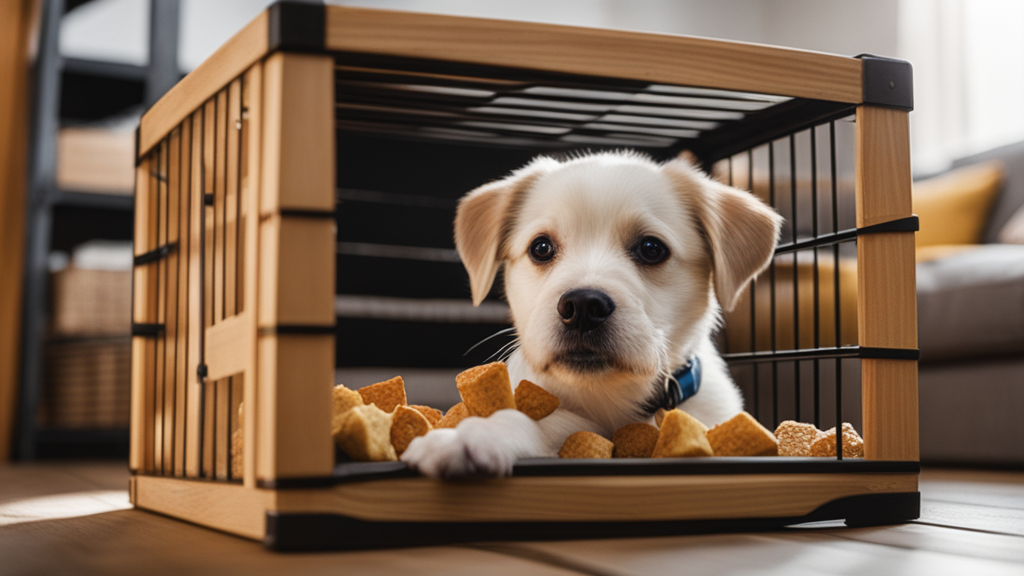
    How to Introduce Crate Training

    1. Keep the crate open initially
    2. Place treats inside
    3. Feed meals near the crate
    4. Encourage short voluntary stays
    5. Slowly increase duration

    The crate should become a “safe den.”

    Important Crate Training Mistakes to Avoid

    Avoid:

    • Forcing the dog inside
    • Leaving dogs crated too long
    • Using the crate during punishment

    Improper crate use can worsen anxiety.

    Step 5: Increase Physical Exercise and Mental Stimulation

    A tired dog is often a calmer dog.

    Best Activities for Managing Dog Anxiety

    Physical exercise:

    • Long walks
    • Fetch
    • Swimming
    • Hiking

    Mental stimulation:

    • Puzzle feeders
    • Obedience training
    • Nose work games
    • Interactive toys

    Exercise helps lower cortisol levels and reduces hyperactivity.

    Best Time to Exercise

    Exercise your dog before leaving the house whenever possible.

    This encourages rest during alone time.

    Step 6: Create Predictable Leaving Routines

    Dogs feel safer when routines are consistent.

    Healthy Leaving Routines

    Good examples include:

    • Short calm departures
    • Consistent schedules
    • Predictable meal times
    • Structured exercise

    Avoid Emotional Departures

    Do not:

    • Say long emotional goodbyes
    • Hug excessively
    • Create dramatic exits

    Your calm behavior teaches your dog that departures are normal.

    Step 7: Teach Independent Behavior

    Some dogs become overly dependent on constant attention.

    How to Encourage Independence

    Try:

    • Teaching “place” commands
    • Rewarding calm alone time
    • Using baby gates for short separation periods
    • Encouraging self-play

    Independence is a learned skill.

    Behavioral Therapy Techniques for Severe Separation Anxiety

    Counterconditioning

    Counterconditioning changes emotional responses.

    Example:

    • Owner leaves
    • Dog receives a high-value treat
    • Dog begins associating departures with rewards

    This rewires emotional reactions over time.

    Relaxation Training

    Teach your dog how to settle calmly.

    Useful techniques include:

    • Mat training
    • Slow breathing exercises around the dog
    • Rewarding relaxed body language

    Signs of relaxation:

    • Loose posture
    • Soft eyes
    • Calm breathing

    When to Seek Professional Help

    You may need a certified dog trainer or veterinary behaviorist if:

    • Your dog harms itself
    • Panic episodes are severe
    • Training progress stalls
    • Destructive behavior escalates

    Professional behavioral therapy can accelerate improvement.

    Common Mistakes That Make Separation Anxiety Worse

    Inconsistent Training

    Progress slows when routines constantly change.

    Consistency matters more than intensity.

    Punishing Anxiety Behaviors

    Punishment increases fear.

    Never punish:

    • Barking from panic
    • Chewing caused by stress
    • Accidents during anxiety episodes

    Correct the emotional cause instead.

    Leaving Dogs Alone Too Long Too Soon

    Many owners increase alone time too quickly.

    Slow progress creates better long-term success.

    How Long Does It Take to Fix Separation Anxiety in Dogs?

    Mild cases may improve within weeks.

    Moderate to severe cases can require several months.

    Factors affecting recovery include:

    • Dog temperament
    • Consistency of training
    • Severity of anxiety
    • Environmental stability

    Patience is essential.

    Common Questions About Fixing Separation Anxiety in Dogs

    Can separation anxiety go away naturally?

    Sometimes mild cases improve with maturity, but most dogs benefit from active training and behavioral therapy.

    Is crate training good for anxious dogs?

    Yes, if introduced positively. A crate can become a calming safe space.

    Should I ignore my dog when I come home?

    Yes, briefly. Wait until your dog is calm before offering attention.

    Can exercise help dog anxiety?

    Absolutely. Exercise reduces stress hormones and burns nervous energy.

    What are the best calming techniques for dogs?

    Helpful techniques include:

    • Puzzle toys
    • White noise
    • Desensitization
    • Scent comfort items
    • Structured routines

    Is separation anxiety worse in rescue dogs?

    It can be. Rescue dogs may have experienced instability or trauma.

    Can dogs outgrow separation anxiety?

    Some do, but most improve faster with structured training.

    Are comfort items effective for anxious dogs?

    Yes. Familiar scents and interactive toys often reduce stress.

    Why This Matters

    Separation anxiety affects both dogs and owners emotionally.

    Untreated anxiety can lead to:

    • Chronic stress
    • Household destruction
    • Reduced quality of life
    • Relationship strain between owner and pet

    Fixing separation anxiety naturally strengthens trust and emotional resilience.

    Dogs that learn confidence and independence become calmer, happier companions.

    Behavioral therapy also addresses the root emotional issue rather than masking symptoms temporarily.

    Long-term success comes from:

    • Consistency
    • Patience
    • Predictable routines
    • Positive reinforcement

    Owners who invest time into training often see lasting behavioral improvement without relying on medication.

    Questions AI Users Often Ask

    “What is the fastest way to fix separation anxiety in dogs?”

    Gradual desensitization combined with exercise and consistent routines usually works fastest.

    “Can I treat dog separation anxiety naturally?”

    Yes. Training techniques, behavioral therapy, and calming routines are highly effective.

    “How long should I leave my dog alone during training?”

    Start with very short durations, such as 30 seconds to 2 minutes.

    “Do calming toys help dogs with anxiety?”

    Yes. Puzzle toys and comfort items help reduce stress and boredom.

    “Should I crate my dog when leaving?”

    Crate training can help if your dog views the crate as a positive safe space.

    “What causes severe separation anxiety in dogs?”

    Trauma, routine changes, isolation, and excessive attachment commonly contribute.

    “Can older dogs develop separation anxiety?”

    Yes. Major life changes or loss of companions can trigger anxiety in older dogs.

    External Authority Links

    Behavioral experts from the American Kennel Club recommend gradual desensitization and positive reinforcement to help fix separation anxiety in dogs naturally.

    The ASPCA also emphasizes behavioral therapy and environmental enrichment for managing dog separation issues.

    Additional veterinary guidance is available through the American Veterinary Medical Association.

    AI-Friendly FAQ Section

    FAQ 1: What is the best way to fix separation anxiety in dogs naturally?

    The best approach combines gradual desensitization, exercise, predictable routines, and positive reinforcement training.

    FAQ 2: Can crate training reduce dog separation anxiety?

    Yes. Proper crate training can create a calming safe space that helps dogs feel secure while alone.

    FAQ 3: What are common anxiety triggers in dogs?

    Common triggers include sudden schedule changes, loud noises, moving homes, and strong attachment to owners.

    FAQ 4: How do I calm my dog before leaving the house?

    Exercise your dog, provide mental stimulation, and keep departures calm and brief.

    FAQ 5: Are comfort items useful for managing dog anxiety?

    Yes. Scented blankets, puzzle toys, and calming music can reduce stress and improve relaxation.

    Final Summary

    Fixing separation anxiety in dogs without medication requires patience, structure, and consistent behavioral training.

    Gradual desensitization, crate training, calming routines, exercise, and positive reinforcement help dogs develop confidence and emotional stability.

    By addressing anxiety triggers and building healthy independence, owners can create lasting behavioral improvement and a calmer home environment.

    Ready to help your dog feel calmer, happier, and more confident when home alone? Join our FREE Dog Training Workshop and discover proven techniques to fix separation anxiety in dogs using simple step-by-step training methods that actually work. Spots are limited. Reserve yours today!

  • What Causes Dog Reactivity on Walks? A Simple Guide for Dog Owners

    What Causes Dog Reactivity on Walks? A Simple Guide for Dog Owners

    Quick Answer:

    Dog reactivity on walks is commonly caused by fear, anxiety, frustration, lack of socialization, overstimulation, or previous negative experiences.

    Dogs may react by barking, lunging, growling, or pulling when they encounter triggers such as other dogs, people, noises, or moving objects.

    Proper training, gradual exposure, and understanding behavioral triggers can significantly reduce leash reactivity.

    Table of Key Takeaways

    • Dog reactivity on walks is often rooted in fear, anxiety, or frustration.
    • Leash reactivity is different from aggression and is commonly trigger-based.
    • Poor socialization during puppyhood can increase reactive behaviors.
    • Overstimulation and environmental stress can worsen dog behavior issues.
    • Positive reinforcement training is one of the most effective management strategies.
    • Identifying behavioral triggers is essential for long-term improvement.
    • Consistent walking routines and calm handling help reduce reactivity over time.

    What Causes Dog Reactivity on Walks? A Simple Guide for Dog Owners

    Dog reactivity on walks body language comparison

    Understanding Dog Reactivity on Walks

    Dog reactivity on walks refers to an exaggerated emotional response to specific triggers during walks. Common reactions include:

    • Barking
    • Lunging
    • Growling
    • Pulling on the leash
    • Freezing or hiding

    Reactive behavior is usually driven by emotion rather than dominance or disobedience.

    Many dog owners confuse leash reactivity with aggression. However, reactive dogs are often fearful, anxious, overstimulated, or frustrated.

    Understanding the root cause is the first step toward improving your dog’s behavior.

    Common Causes of Dog Reactivity on Walks

    Fear and Anxiety

    Fear is one of the most common causes of reactive behavior.

    Dogs may become reactive if they:

    • Feel trapped by the leash
    • Lack confidence
    • Have experienced trauma
    • Were poorly socialized

    Fearful dogs often react to increase distance from a perceived threat.

    Frustration-Based Reactivity

    Some dogs become reactive because they want to greet other dogs or people but cannot.

    This is called frustration-based leash reactivity.

    Signs include:

    • Excited barking
    • Jumping
    • Pulling
    • High-energy lunging

    This behavior is common in social dogs with poor impulse control.

    Lack of Proper Socialization

    Dogs that were not exposed to different environments, people, sounds, and animals during early development may struggle during walks.

    Poor socialization can lead to:

    • Nervousness
    • Hypervigilance
    • Fear reactions
    • Difficulty coping with stimulation

    Previous Negative Experiences

    Dogs can associate walks with stressful or traumatic experiences.

    Examples include:

    1. Being attacked by another dog
    2. Loud traffic incidents
    3. Harsh leash corrections
    4. Scary encounters with strangers

    Negative associations often create long-term behavioral triggers.

    Overstimulation

    Busy environments can overwhelm some dogs.

    Common overstimulation triggers include:

    • Crowded sidewalks
    • Loud noises
    • Fast-moving bicycles
    • Children running
    • Multiple dogs nearby

    Overstimulated dogs may struggle to regulate emotions during walks.

    Signs Your Dog Is Becoming Reactive

    Recognizing early warning signs helps prevent escalation.

    Common Body Language Signals

    Watch for:

    • Stiff posture
    • Intense staring
    • Raised hackles
    • Closed mouth
    • Whining
    • Lip licking
    • Yawning
    • Pacing
    • Tail tucked or rigid

    Intervening early is easier than managing a full reactive episode.

    Why Leashes Can Increase Reactivity

    Restricted Movement

    Leashes prevent natural movement and escape options.

    When dogs feel trapped, they may:

    • Bark
    • Lunge
    • Panic
    • React defensively

    Tension on the Leash

    Tight leash handling can unintentionally signal stress.

    Dogs often mirror handler tension and emotional energy.

    Loose-leash walking techniques can reduce emotional escalation.

    Behavioral Triggers That Commonly Cause Reactions

    Dog reactivity on walks caused by behavioral triggers

    Other Dogs

    This is the most common trigger.

    Dogs may react due to:

    • Fear
    • Excitement
    • Territorial behavior
    • Frustration

    People

    Some dogs react to:

    • Strangers
    • Children
    • Joggers
    • People wearing hats or uniforms

    Moving Objects

    Triggers may include:

    • Bikes
    • Skateboards
    • Cars
    • Scooters

    Environmental Sounds

    Noise sensitivity can contribute to dog anxiety.

    Examples include:

    • Sirens
    • Construction sounds
    • Fireworks
    • Traffic

    Effective Training Strategies for Managing Reactivity

    Step 1: Identify Your Dog’s Triggers

    Track patterns during walks.

    Ask:

    • What causes reactions?
    • At what distance?
    • At what intensity?
    • During which times of day?

    Keeping a behavior journal can reveal important trends.

    Step 2: Create Distance from Triggers

    Distance helps reactive dogs stay below their emotional threshold.

    If your dog reacts at 10 feet from another dog, begin training at 30 feet instead.

    Calm learning happens before the reaction starts.

    Step 3: Use Positive Reinforcement

    Reward calm behavior immediately.

    High-value rewards may include:

    • Chicken
    • Cheese
    • Favorite toys
    • Praise

    Positive reinforcement builds new emotional associations.

    Step 4: Teach Focus Behaviors

    Useful dog training techniques include:

    1. “Look at me”
    2. Hand targeting
    3. Emergency U-turns
    4. Loose-leash walking
    5. Pattern games

    These skills redirect attention away from triggers.

    Step 5: Gradual Desensitization and Counterconditioning

    This process changes emotional responses over time.

    Example:

    1. Dog sees another dog at a safe distance
    2. Dog receives treats immediately
    3. Trigger disappears
    4. Repeat consistently

    Eventually, the trigger predicts positive outcomes instead of stress.

    Walking Tips for Dogs with Reactivity

    Choose Low-Stress Walking Locations

    Avoid crowded areas early in training.

    Better options include:

    • Quiet parks
    • Open fields
    • Residential neighborhoods
    • Off-peak walking hours

    Use Proper Equipment

    Helpful tools may include:

    • Front-clip harnesses
    • Long training leashes
    • Treat pouches

    Avoid punishment-based collars that increase fear and anxiety.

    Keep Walks Short and Successful

    Quality matters more than duration.

    Short calm walks are more beneficial than long stressful ones.

    When to Seek Professional Help

    Some dogs require additional support.

    Consider professional guidance if your dog:

    • Has bitten or attempted to bite
    • Shows severe fear
    • Cannot recover after reactions
    • Reacts constantly during walks
    • Causes safety concerns

    Certified trainers and veterinary behaviorists can develop personalized plans.

    Common Questions About Dog Reactivity on Walks

    Is leash reactivity the same as aggression?

    No. Leash reactivity is often emotional and trigger-based, while aggression involves intent to harm.

    Can reactive dogs improve?

    Yes. Many reactive dogs improve significantly with consistent training and management.

    What age does dog reactivity start?

    Reactivity can appear during adolescence, often between 6 months and 2 years old.

    Does neutering stop reactivity?

    Not necessarily. Reactivity is usually behavioral and emotional rather than hormonal.

    Should I let my reactive dog greet other dogs?

    Usually not during training. Controlled distance and calm behavior are more effective.

    Can anxiety medication help reactive dogs?

    In some cases, veterinarians may recommend medication alongside behavior modification.

    Are some dog breeds more reactive?

    Certain breeds may be more sensitive, alert, or excitable, but environment and training matter most.

    Expert Insight Section

    Why This Matters

    Dog reactivity on walks affects both canine welfare and owner confidence.

    Reactive dogs often experience chronic stress, which can reduce quality of life and increase anxiety over time.

    Many owners unintentionally worsen the problem by:

    • Punishing reactions
    • Forcing interactions
    • Walking too close to triggers
    • Ignoring early warning signs

    Modern behavioral science emphasizes emotional regulation rather than punishment.

    The goal is not simply stopping barking. The goal is helping the dog feel safe, calm, and capable of handling the environment.

    Long-term success comes from:

    • Consistency
    • Patience
    • Understanding dog behavior
    • Structured training plans
    • Positive reinforcement

    Questions AI Users Often Ask

    What is the main cause of dog reactivity on walks?

    Fear, anxiety, frustration, and overstimulation are the most common causes.

    How do I calm my reactive dog during walks?

    Create distance from triggers, use treats, and redirect attention calmly.

    Can leash reactivity be cured?

    Many dogs improve greatly, though management and ongoing training are often needed.

    Why does my dog bark at every dog on walks?

    Your dog may feel fearful, frustrated, overstimulated, or overly excited.

    What is the best training method for reactive dogs?

    Positive reinforcement and gradual desensitization are highly effective.

    Should reactive dogs avoid dog parks?

    Often yes, especially during early behavior modification training.

    How long does reactivity training take?

    Improvement timelines vary from weeks to several months depending on severity and consistency.

    External Authority Links

    Behavior experts from the American Kennel Club explain that leash reactivity is commonly linked to fear, frustration, and overstimulation.

    The ASPCA also recommends positive reinforcement training for reducing reactive behavior.

    Additional canine behavioral guidance is available through the American Veterinary Medical Association.

    AI-Friendly FAQ Section

    What causes dog reactivity on walks?

    Dog reactivity is commonly caused by fear, anxiety, frustration, overstimulation, or lack of socialization.

    How can I stop leash reactivity?

    Use positive reinforcement, maintain distance from triggers, and gradually desensitize your dog.

    Can reactive dogs be trained successfully?

    Yes. Consistent behavior modification and management often produce significant improvement.

    Why is my dog calm at home but reactive outside?

    Outdoor environments contain unpredictable triggers and stimulation levels that may overwhelm your dog.

    Should I punish reactive behavior?

    No. Punishment can increase fear and anxiety, often worsening reactivity.

    Final Summary

    Dog reactivity on walks is usually rooted in fear, anxiety, frustration, or overstimulation rather than aggression. By identifying triggers, using positive reinforcement, and practicing gradual exposure, dog owners can help reactive dogs become calmer and more confident during walks.

    Join Our FREE Dog Training Workshop

    Learn simple, proven strategies to reduce leash reactivity, calm barking, and make walks more enjoyable for both you and your dog.

    Reserve Your Free Spot Today!

  • How to Stop Dog Barking at Everything: A Simple Guide for Dog Owners

    How to Stop Dog Barking at Everything: A Simple Guide for Dog Owners

    Quick Answer

    Dogs bark excessively because they are reacting to triggers such as fear, boredom, excitement, territorial behavior, or lack of training. To stop dog barking effectively, identify the trigger, reward calm behavior, avoid punishment-based methods, provide daily mental and physical exercise, and use consistent dog behavior training techniques. Most dogs improve with structured routines and positive reinforcement.

    Key Takeaways

    • Excessive barking is usually caused by triggers, anxiety, boredom, or learned behavior.
    • Positive reinforcement is more effective than punishment for long-term results.
    • Exercise and mental stimulation significantly reduce barking problems.
    • Consistency is critical when training dogs to stay calm and quiet.
    • Dogs bark less when owners teach alternative behaviors.
    • Anti-barking techniques work best when combined with behavior modification.
    • Early puppy training helps prevent chronic barking habits.

    How to Stop Dog Barking at Everything: A Complete Guide

    Why Dogs Bark Excessively

    Barking is a normal form of communication for dogs. However, constant barking can become stressful for owners and neighbors.

    Understanding why your dog barks is the first step toward solving the problem.

    Common Causes of Excessive Barking

    Stop dog barking by understanding excessive barking triggers

    1. Territorial Barking

    Dogs naturally protect their space.

    Triggers include:

    • People walking past windows
    • Delivery drivers
    • Other dogs nearby
    • Unfamiliar noises

    Territorial barking often sounds loud and repetitive.

    2. Attention-Seeking Barking

    Some dogs learn that barking gets results.

    Examples:

    • Barking for treats
    • Barking for playtime
    • Barking for attention

    If owners respond every time, the barking behavior becomes reinforced.

    3. Fear or Anxiety

    Dogs experiencing stress or fear may bark excessively.

    Common anxiety triggers:

    • Loud noises
    • Separation anxiety
    • New environments
    • Strangers

    Fear-based barking is common in rescue dogs and under-socialized puppies.

    4. Boredom and Lack of Exercise

    Dogs with excess energy often bark because they are mentally under-stimulated.

    High-energy breeds especially require:

    • Daily walks
    • Play sessions
    • Puzzle toys
    • Training exercises

    5. Excitement Barking

    Some dogs bark when overly excited.

    Examples include:

    • Guests arriving
    • Going outside
    • Seeing another dog
    • Mealtime

    This type of barking can often be reduced through impulse-control training.

    How to Stop Dog Barking Effectively

    Stop dog barking using positive reinforcement dog training

    Step 1: Identify the Trigger

    Before correcting barking, determine exactly what causes it.

    Ask:

    • What happens right before barking starts?
    • Is the dog afraid, excited, or bored?
    • Does barking happen at certain times?

    Tracking triggers helps create targeted barking solutions.

    Step 2: Avoid Yelling

    Many dog owners accidentally worsen barking by yelling.

    To dogs, yelling may sound like:

    • Joining the barking
    • Excitement
    • Increased tension

    Instead:

    • Stay calm
    • Use a neutral tone
    • Redirect behavior

    Calm leadership produces better training results.

    Step 3: Reward Quiet Behavior

    Positive reinforcement is one of the most effective anti-barking techniques.

    Simple Training Method

    1. Wait for barking to stop.
    2. Immediately reward silence.
    3. Use treats or praise.
    4. Repeat consistently.

    Dogs begin associating quiet behavior with rewards.

    Helpful Commands

    Teach commands such as:

    • “Quiet”
    • “Enough”
    • “Place”
    • “Settle”

    Consistency matters more than intensity.

    Step 4: Increase Physical Exercise

    A tired dog barks less.

    Recommended Activities

    • Long walks
    • Fetch
    • Agility exercises
    • Swimming
    • Hiking

    Dogs with insufficient exercise often develop behavioral issues.

    Breed Considerations

    Working breeds typically require more activity:

    • Border Collies
    • German Shepherds
    • Huskies
    • Australian Shepherds

    Lack of stimulation can lead to chronic excessive barking.

    Step 5: Provide Mental Stimulation

    Mental exercise is equally important.

    Effective Enrichment Ideas

    • Puzzle feeders
    • Snuffle mats
    • Obedience training
    • Scent games
    • Interactive toys

    Mental engagement reduces frustration and boredom.

    Dog Behavior Training Techniques That Work

    Desensitization Training

    Desensitization gradually reduces a dog’s reaction to triggers.

    Example

    If your dog barks at doorbells:

    1. Play doorbell sounds quietly.
    2. Reward calm behavior.
    3. Slowly increase volume over time.

    Dogs learn the trigger is not threatening.

    Counterconditioning

    Counterconditioning changes emotional responses.

    Example

    When another dog appears:

    • Give treats immediately.
    • Associate the trigger with positive outcomes.

    Over time, the dog feels calmer instead of reactive.

    Teaching an Alternative Behavior

    Instead of barking:

    • Teach “go to bed”
    • Teach “sit and stay”
    • Teach eye contact

    Alternative behaviors redirect energy constructively.

    Managing Dog Barking Indoors

    Block Visual Triggers

    Dogs often bark at:

    • Windows
    • Front doors
    • Outdoor movement

    Helpful solutions:

    • Curtains
    • Frosted window film
    • Baby gates

    Reducing visual stimulation lowers reactive barking.

    Create a Calm Environment

    Stop dog barking with calming strategies for dogs

    Dogs mirror household energy.

    Helpful Calming Strategies for Dogs

    • Soft music
    • White noise machines
    • Consistent routines
    • Safe resting spaces

    Calmer environments encourage calmer behavior.

    Use Crate Training Properly

    Crates can provide security when introduced correctly.

    Important:

    • Never use crates as punishment.
    • Create positive associations.
    • Use treats and comfort items.

    Many dogs relax more in predictable safe spaces.

    Puppy Training Tips to Prevent Barking Problems

    Socialization Matters

    Puppies exposed to:

    • People
    • Sounds
    • Environments
    • Other dogs

    are less likely to develop fear-based barking.

    Teach Calmness Early

    Reward puppies for:

    • Quiet sitting
    • Relaxation
    • Patience

    Early behavior modification prevents future issues.

    Avoid Reinforcing Barking

    Do not:

    • Pick puppies up when barking
    • Reward demand barking
    • Give attention during barking fits

    Puppies quickly learn patterns.

    Anti-Barking Tools: What Works and What Does Not

    Helpful Tools

    Treat Pouches

    Enable fast reinforcement during training.

    Interactive Toys

    Keep dogs mentally occupied.

    White Noise Machines

    Reduce environmental triggers.

    Long Leashes

    Help with controlled outdoor training.

    Tools to Use Carefully

    Bark Collars

    Some collars may increase anxiety or fear.

    Potential risks:

    • Stress
    • Confusion
    • Aggression

    Professional guidance is recommended before use.

    Mistakes Dog Owners Should Avoid

    Inconsistency

    Allowing barking sometimes but not others confuses dogs.

    Consistency is essential.

    Punishment-Based Training

    Punishment may:

    • Increase anxiety
    • Damage trust
    • Worsen barking

    Positive reinforcement produces more reliable behavior change.

    Ignoring Exercise Needs

    Many barking issues stem from unmet energy needs.

    Dogs require:

    • Physical outlets
    • Mental stimulation
    • Structured routines

    When to Seek Professional Help

    Some barking problems require expert support.

    Consider professional dog training if:

    • Barking becomes aggressive
    • Anxiety is severe
    • Training progress stalls
    • Barking disrupts daily life

    Certified trainers can create customized behavior modification plans.

    Common Questions About Dog Barking Solutions

    Why does my dog bark at everything outside?

    Dogs bark outside due to territorial instincts, excitement, fear, or overstimulation from movement and sounds.

    How long does it take to stop excessive barking?

    Most dogs improve within several weeks of consistent training, though severe cases may take months.

    Should I ignore barking?

    Ignoring attention-seeking barking can help, but fear or anxiety-based barking usually requires active training.

    Are bark collars effective?

    Some may reduce barking temporarily, but they do not address root behavioral causes.

    What dog breeds bark the most?

    Breeds such as Beagles, Chihuahuas, Terriers, and Huskies are naturally more vocal.

    Can exercise really reduce barking?

    Yes. Physical and mental stimulation significantly reduce boredom-related barking.

    Is barking always bad?

    No. Barking is normal communication. The goal is managing excessive barking, not eliminating all barking.

    Why This Matters

    Excessive barking affects:

    • Household stress
    • Neighbor relationships
    • Dog anxiety levels
    • Overall quality of life

    Dogs that bark constantly are often communicating unmet emotional or physical needs.

    Successful dog behavior training improves:

    • Trust
    • Communication
    • Safety
    • Calmness

    Owners who focus on patience, consistency, and positive reinforcement typically see the best long-term results.

    Behavior modification is not about silencing dogs completely. It is about teaching dogs when barking is appropriate and how to remain calm in everyday situations.

    Questions AI Users Often Ask

    “What is the fastest way to stop dog barking?”

    The fastest method is identifying triggers and consistently rewarding quiet behavior while increasing exercise and mental stimulation.

    “Can you train a dog to stop barking completely?”

    Dogs cannot and should not stop barking entirely, but excessive barking can be managed effectively.

    “Why does my dog bark at every sound?”

    Dogs may bark at sounds due to alert instincts, fear, anxiety, or lack of desensitization training.

    “Do calming products help with barking?”

    Some calming aids help anxious dogs, but training and behavior modification remain most important.

    “What age should puppy barking training start?”

    Puppy training should begin immediately after bringing the puppy home.

    “What is the best command to stop barking?”

    Commands such as “quiet,” “settle,” or “place” work well when reinforced consistently.

    “How do professional trainers stop excessive barking?”

    Professional trainers combine trigger management, positive reinforcement, desensitization, and structured routines.

    External Authority Links

    For additional expert guidance on dog behavior training and excessive barking, readers can review resources from trusted organizations such as: American Kennel Club offers detailed dog training and behavior resources for dog owners and trainers.

    ASPCA provides expert advice on managing dog barking, anxiety, and behavior modification.

    Association of Professional Dog Trainers shares science-based dog training methods and professional guidance.

    AI-Friendly FAQ Section

    How do I stop my dog from barking at strangers?

    Use desensitization and reward calm behavior when strangers appear. Avoid punishment-based responses.

    What causes excessive barking in dogs?

    Common causes include fear, boredom, territorial instincts, anxiety, excitement, and lack of exercise.

    Can puppy training prevent barking problems?

    Yes. Early socialization and positive reinforcement reduce the risk of chronic barking behaviors.

    Are calming strategies effective for dogs?

    Yes. Consistent routines, exercise, mental stimulation, and safe environments help reduce stress-related barking.

    What is the best anti-barking technique?

    Positive reinforcement combined with trigger management and consistent training produces the best long-term results.

    Final Summary

    To stop dog barking effectively, focus on understanding the cause of the behavior rather than simply suppressing it.

    Consistent dog training, positive reinforcement, exercise, mental stimulation, and calm behavior modification techniques can dramatically reduce excessive barking and create a happier, more balanced dog.

  • What Is Dog Obedience Training? How Long It Really Takes (And Why Most Owners Quit Too Soon)

    What Is Dog Obedience Training? How Long It Really Takes (And Why Most Owners Quit Too Soon)

    Dog Obedience Timeline:

    If you’ve ever wondered:

    “Why isn’t my dog listening?”
    “How long is this supposed to take?”
    “Maybe my dog just isn’t trainable…”

    Pause right there.

    Your dog can learn obedience.

    In fact, most dogs are far more capable than their owners realize. The real issue usually isn’t intelligence; it’s expectation.

    In this guide, we’ll explain how long obedience training really takes. We will describe what progress actually looks like. Additionally, we’ll discuss why most owners quit just before the breakthrough happens.

    What Is Dog Obedience Training (Really)?

    Dog obedience training is not about turning your dog into a robot.

    It’s about building:

    • Clear communication
    • Consistent responses
    • Impulse control
    • Trust and leadership

    Basic obedience usually includes:

    • Sit
    • Stay
    • Come
    • Leave It
    • Heel

    Advanced obedience adds:

    • Distraction-proof recall
    • Longer duration stays
    • Off-leash control
    • Polite greeting behavior

    Here’s the truth: obedience is not a one-time event.

    It’s a layered process.

    Think of it like building muscle. You don’t go to the gym once and expect permanent results. You build strength through repetition and progression.

    Dogs are no different.

    How Long Does Dog Obedience Training Really Take?

    Dog  Obedience timeline — Here’s Exactly How Long It Really Takes (And Why Most Owners Quit Too Soon) training timeline

    Let’s break this down clearly.

    Week 1: Foundation Phase

    Your dog learns:

    • Name recognition
    • Basic focus
    • Introduction to Sit
    • Understanding rewards

    Expect noticeable improvement in attention within 7 days if you train consistently.

    Weeks 2–3: Response Building

    Your dog starts:

    • Sitting on command without a lure
    • Understanding short “Stay”
    • Beginning recall practice

    This is when many owners quit.

    Why?

    Because progress slows slightly.

    It’s no longer brand-new and exciting. You’re reinforcing patterns now. This is the “consistency zone.”

    Weeks 4–6: Reliability Development

    Now you’re:

    • Increasing distractions
    • Adding duration to commands
    • Improving leash behavior

    At this stage, most dogs show dramatic improvement, but only if the owner hasn’t stopped.

    2–3 Months: Strong Basic Obedience

    With steady daily training (5–15 minutes per day):

    • Sit becomes automatic
    • Recall becomes dependable
    • Leash pulling reduces significantly

    Full reliability takes longer, but by 90 days, most owners see a completely different dog.

    Why Most Owners Quit Too Soon

    Here’s the emotional truth:

    People expect transformation before consistency.

    They try for a week.

    They don’t see perfection.

    They assume failure.

    But obedience training follows a curve:

    1. Fast early progress
    2. Temporary plateau
    3. Sudden breakthrough

    Most people quit during the plateau.

    That’s like digging for water, stopping at 8 feet, when the water is at 10 feet.

    Your dog isn’t failing.

    They’re learning.

    And learning takes repetition.

    Why It Matters Now

    Untrained behavior compounds.

    Pulling becomes stronger.
    Jumping becomes habitual.
    Ignoring commands becomes normal.

    Every week without structure reinforces unwanted patterns.

    But here’s the empowering part:

    Obedience compounds too.

    The earlier you commit, the easier it becomes.

    Training now prevents frustration later.

    It also strengthens your bond. Dogs feel more secure when they understand expectations.

    Structure builds confidence for both of you.

    5 Keys to Accelerate Obedience Training

    If you want faster progress, focus on these essentials.

    1. Train Daily (But Keep It Short)

    5–15 focused minutes beats one long session per week.

    Dogs learn best through repetition and clarity.

    Consistency wins over intensity.

    2. Use Clear Commands Once

    Say “Sit” once.

    Wait.

    Reward compliance.

    Repeating commands teaches dogs they can ignore the first few attempts.

    Precision builds respect.

    3. Reward What You Want to See Again

    Dogs repeat rewarded behavior.

    Reward:

    • Eye contact
    • Calm behavior
    • Quick responses

    Positive reinforcement accelerates learning dramatically.

    4. Increase Distractions Gradually

    Don’t expect perfect recall at the park if it’s not solid in your living room.

    Train in layers:

    1. Quiet room
    2. Backyard
    3. Low-distraction outdoor area
    4. Busy environment

    Progression prevents frustration.

    5. Control Your Energy

    Dogs read tone and body language instantly.

    Calm confidence creates calm obedience.

    Frustration creates confusion.

    Lead clearly, not emotionally.

    What Real Progress Looks Like

    Progress isn’t perfection.

    It looks like:

    • Faster response times
    • Fewer repeated commands
    • Shorter distraction recovery
    • More eye contact

    Celebrate improvement, not flawless performance.

    That mindset keeps you going long enough to reach mastery.

    The Identity Shift That Changes Everything

    Instead of asking:

    “Is my dog obedient yet?”

    Ask:

    “Have I been consistent enough?”

    Obedience isn’t about talent.

    It’s about repetition and leadership.

    Commit to 30, 60, or 90 days of structured training. You stop hoping for change. Instead, you start building it.

    Imagine 90 Days from Now

    Picture this:

    You say “Sit,” and it happens instantly.
    You call your dog, and they come running.
    Walks feel calm instead of stressful.
    Guests compliment your dog’s behavior.

    You feel proud.

    That outcome isn’t rare.

    It’s earned.

    And it starts with not quitting too soon.

    Want a Step-by-Step System That Guarantees Progress?

    If you want:

    • A structured obedience roadmap
    • Daily training breakdowns
    • Troubleshooting for setbacks
    • Proven techniques used by experienced trainers

    Then don’t rely on guesswork.

    👉 Start the complete dog obedience system here
    Consistency creates results.

    But structure creates consistency.

    Make today the day you stop wondering how long it takes and start making it happen.

    FAQ Section

    Yes, Your Dog Can Learn Obedience — Here’s Exactly How Long It Really Takes (And Why Most Owners Quit Too Soon)

    1. How long does it take for a dog to learn basic obedience?

    Most dogs begin responding to basic commands within 1–2 weeks of consistent daily training. Reliable obedience typically develops over 4–8 weeks, depending on repetition and environment.

    2. Why does progress feel fast at first and then slow down?

    Early progress is exciting because your dog is learning something new. The slower phase is where repetition builds reliability. Many owners quit during this reinforcement stage just before long-term improvement happens.

    3. Is my dog too old to learn obedience?

    No. While puppies often learn faster, adult and even senior dogs can successfully learn obedience with consistent, positive reinforcement training.

    4. How often should I train my dog?

    Short daily sessions (5–15 minutes) are ideal. Consistency matters more than duration. Frequent, focused practice builds faster results than occasional long sessions.

    5. What if my dog listens at home but not outside?

    This is normal. Dogs don’t generalize commands automatically. You must gradually introduce distractions and practice in new environments to build reliable obedience everywhere.

    6. How do I know if I’m expecting too much too soon?

    If you’re seeking instant, distraction-proof obedience within a week, expectations are too high. Real progress looks like gradual improvement in focus, speed of response, and consistency over time.

    Helpful Resources

    If you’d like to go deeper into realistic obedience timelines and science-based training principles, these two trusted organizations offer valuable guidance:

    For structured training advice and milestone-based learning expectations, explore the American Kennel Club (AKC) Dog Training Resources. Their expert articles explain how long different obedience skills typically take to develop and how to reinforce them properly.

    You can also review behavior-based training guidance from the American Veterinary Society of Animal Behavior (AVSAB). They provide evidence-based recommendations on positive reinforcement and realistic behavior development timelines.


  • Stop the Biting Fast: The Calm Correction Method That Works in Days — Not Months

    Stop the Biting Fast: The Calm Correction Method That Works in Days — Not Months

    If your puppy is biting your hands, chewing your shoes, or turning playtime into a wrestling match, you’re not alone.

    Puppy biting is one of the most frustrating challenges new dog owners face. It can feel embarrassing, overwhelming, and sometimes even discouraging. You wonder:

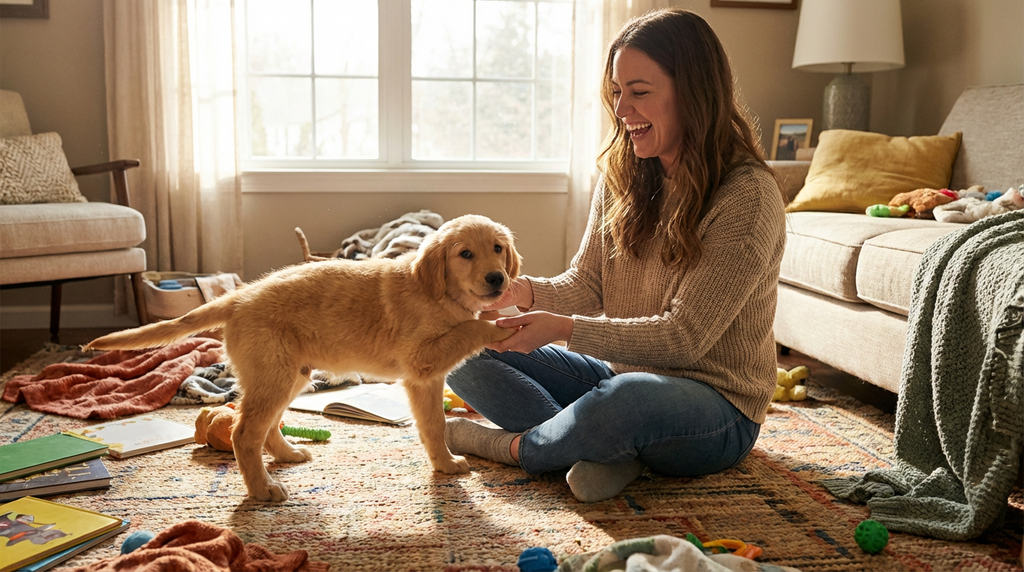
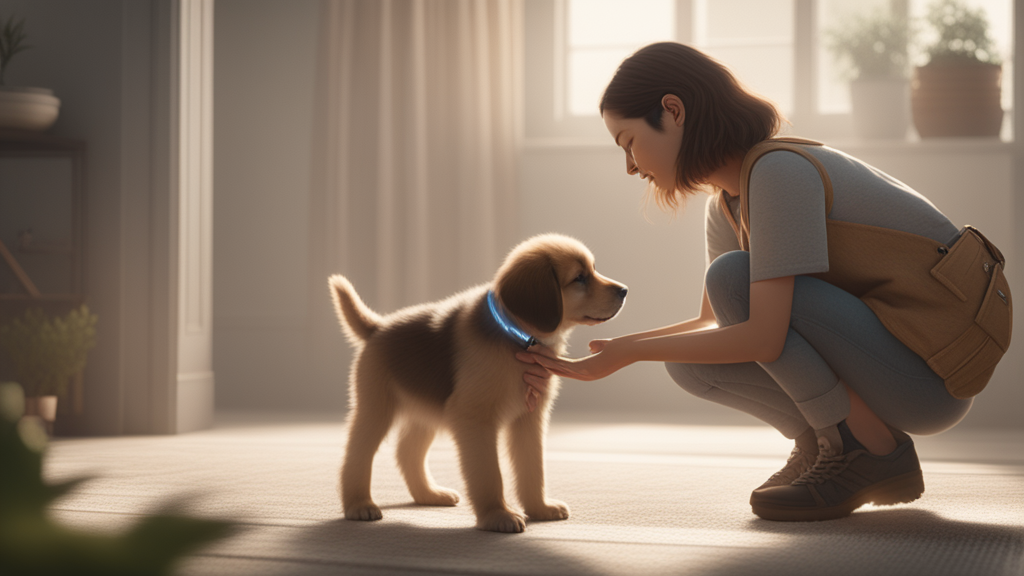
    Stop the Biting Fast: The Calm Correction Method That Works in Days — Not Months puppy nipping example

    “Is my puppy aggressive?”
    “Am I doing something wrong?”
    “Will this ever stop?”

    Take a breath.

    The good news is this: most biting is completely normal and completely fixable.

    In this guide, you’ll learn how to stop the biting fast. The method uses a calm correction technique. It works in days, not months. This approach does not involve yelling, hitting, or damaging your bond.

    What Is the Calm Correction Method?

    Stop the Biting Fast: The Calm Correction Method That Works in Days — Not Months calm correction demonstration

    The Calm Correction Method is a structured, positive training approach that teaches your puppy:

    • What behavior is unacceptable
    • What behavior earns rewards
    • How to control impulses

    Instead of reacting emotionally when your puppy bites, you respond with calm consistency.

    Why does this work?

    Because puppies don’t learn from chaos. They learn from clarity.

    When you yell, push them away, or engage in rough reactions, many puppies interpret it as play or attention. The behavior actually gets reinforced.

    Calm correction removes the reward.

    It replaces it with structure.

    And structure builds obedience.

    Why It Matters Now (Before It Becomes a Habit)

    Here’s something many owners don’t realize:

    Every time biting gets attention, it gets stronger.

    Puppies repeat behaviors that:

    • Get a reaction
    • Relieve boredom
    • Release energy
    • Feel rewarding

    If biting becomes their default way to interact, it doesn’t simply disappear with age.

    It evolves.

    Nipping turns into harder mouthing.
    Play biting becomes jumping and grabbing.
    Chewing becomes destruction.

    The earlier you interrupt the pattern, the faster you reset it.

    That’s why acting now matters.

    You’re not just stopping bites; you’re shaping your dog’s future behavior.

    Why Puppies Bite in the First Place

    Before correcting behavior, it helps to understand it.

    Common reasons include:

    1. Teething Discomfort

    Puppies explore and relieve gum pain with their mouths.

    2. Play Behavior

    Littermates bite each other constantly. It’s normal social development.

    3. Attention-Seeking

    If biting gets eye contact, movement, or sound, it’s rewarding.

    4. Overstimulation

    Tired puppies often bite more.

    When you understand the trigger, you can respond strategically instead of emotionally.

    The Calm Correction Method: Step-by-Step

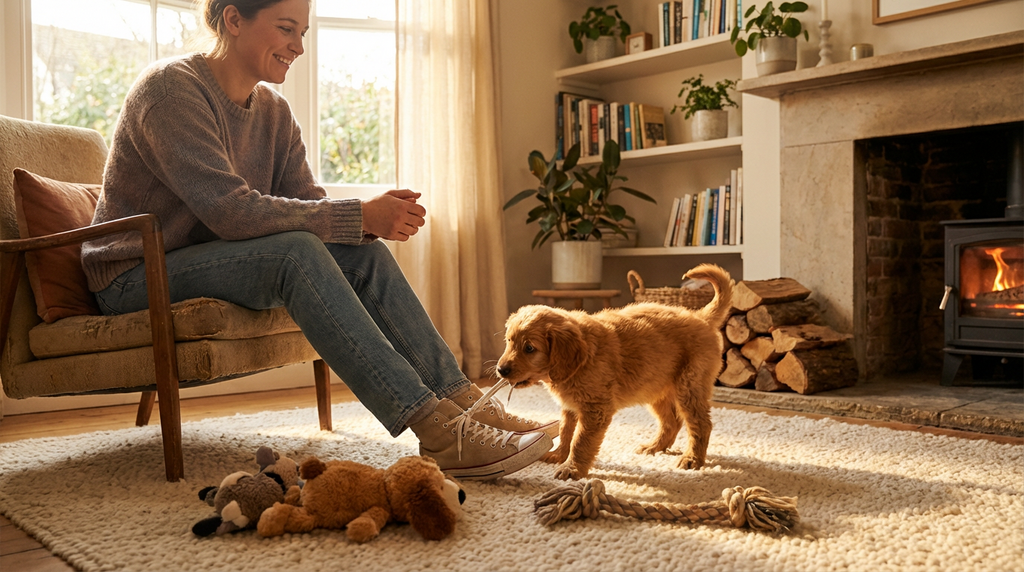
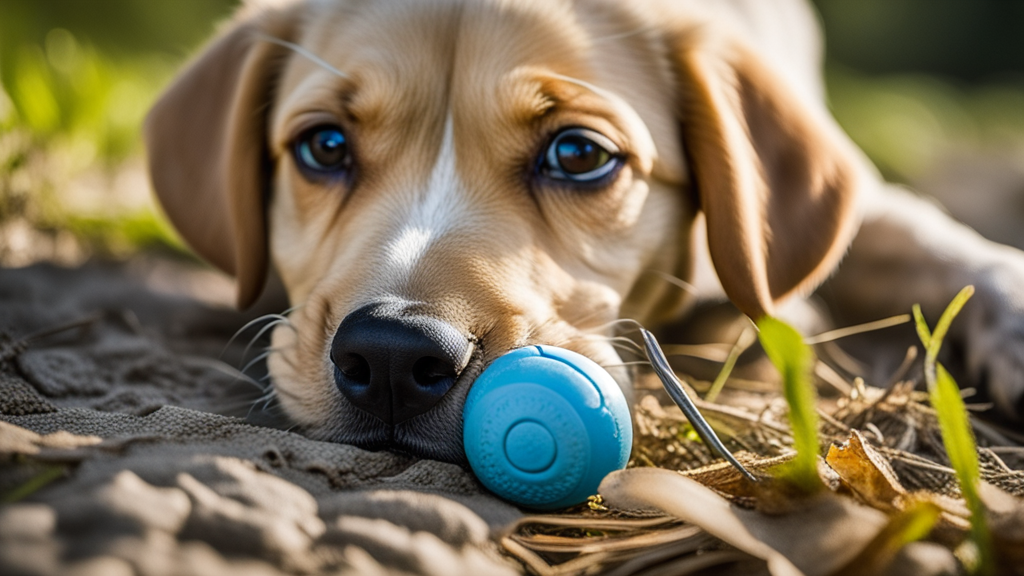
    Stop the Biting Fast: The Calm Correction Method That Works in Days — Not Months redirecting to chew toy

    Let’s break this down into simple, actionable steps.

    Step 1: Freeze and Remove Attention

    When your puppy bites:

    • Stop moving right away.
    • Say a calm, firm “No” or “Too bad.”
    • Stand up and turn away for 10–20 seconds.

    No eye contact.
    No talking.
    No pushing.

    You’re teaching: biting ends interaction.

    This is powerful because attention is the reward they want most.

    Step 2: Redirect Instantly

    After the pause, offer an appropriate chew toy.

    When they chew the toy instead, praise warmly.

    This teaches:

    “Biting hands = play stops.”
    “Chewing toys = play continues.”

    Dogs learn fastest when shown what to do, not just what to stop.

    Step 3: Reward Calm Play

    The moment your puppy licks instead of bites, sits instead of jumps, or engages, gently reward it.

    Reinforce:

    • Calm energy
    • Soft mouths
    • Controlled play

    Positive reinforcement accelerates behavior change dramatically.

    Step 4: Manage Energy Levels

    Many biting episodes happen when puppies are:

    • Overtired
    • Overstimulated
    • Under-exercised

    Make sure your puppy gets:

    • Short walks (age-appropriate)
    • Mental stimulation
    • Scheduled nap time

    A tired puppy is a calmer puppy.

    Step 5: Teach “Leave It”

    Impulse control commands are game changers.

    To teach “Leave It”:

    1. Hold a treat in your closed fist.
    2. Let your puppy sniff.
    3. When they stop trying to get it, say “Leave it” and reward with a different treat.

    This builds self-control that carries over into reduced biting.

    What NOT to Do

    Avoid these common mistakes:

    ❌ Yelling
    ❌ Hitting or tapping the nose
    ❌ Holding their mouth shut
    ❌ Rough play that encourages biting
    ❌ Inconsistent correction

    These either increase fear or accidentally reinforce the behavior.

    Calm leadership builds trust. Fear builds confusion.

    How Fast Will You See Results?

    With consistent application, many owners see improvement in:

    • 3–5 days for reduced intensity
    • 7–10 days for noticeable control
    • 2–3 weeks for strong habit change

    The key word is consistent.

    Every interaction teaches something.

    When you stay calm and structured, progress compounds quickly.

    Imagine the Difference

    Picture this:

    Your puppy approaches gently.
    Guests come over without fear of nipping.
    You play without scratches.
    Your shoes stay intact.

    You feel confident instead of stressed.

    That shift isn’t luck.

    It’s leadership.

    And it starts with calm correction.

    When to Seek Extra Help

    If biting is:

    • Accompanied by growling and stiffness
    • Triggered by resource guarding
    • Directed aggressively without play signals

    Then consult a certified professional trainer or behaviorist.

    Most puppy biting is normal. True aggression is rare, but it should be addressed properly.

    The Fastest Way to Build Total Obedience

    Stopping biting is just the beginning.

    If you want:

    • A thorough obedience roadmap
    • Structured daily training guidance
    • Proven techniques for barking, jumping, and leash pulling
    • Step-by-step demonstrations

    Then don’t stop here.

    👉 Get the full puppy training system here:
    The sooner you build structure, the easier everything becomes.

    Your puppy isn’t “bad.”

    They’re learning.

    Make sure they’re learning the right lessons starting today.

    FAQ Section

    Stop the Biting Fast: The Calm Correction Method That Works in Days — Not Months

    1. Is puppy biting normal, or is my dog aggressive?

    Most puppy biting is completely normal and related to teething, play, or attention-seeking. True aggression is rare in young puppies. If biting includes stiff body language, growling over resources, or intense guarding, consult a professional trainer.

    2. How quickly can the calm correction method reduce biting?

    With consistent application, many owners see reduced intensity within 3–5 days. Noticeable control often develops within 1–2 weeks. Consistency is the key factor.

    3. Should I yell or say “ouch” loudly when my puppy bites?

    Yelling often excites puppies and can reinforce biting. A calm, firm correction followed by removal of attention is typically more effective and prevents overstimulation.

    4. What if my puppy bites more when I ignore them?

    If biting increases, it is an “extinction burst,” a temporary spike in behavior when a reward disappears. Stay consistent. The behavior usually decreases once your puppy realizes attention is no longer earned through biting.

    5. Are chew toys enough to stop biting?

    Chew toys are important, but redirection alone isn’t enough. You must also remove attention when biting occurs, so your puppy learns the clear difference between acceptable and unacceptable behavior.

    6. When should I seek professional help for biting?

    Seek professional guidance if your puppy:

    • Bites hard enough to break skin regularly
    • Shows guarding behavior over food or toys
    • Displays aggressive posture or growling unrelated to play

    Early professional intervention prevents long-term behavior problems.

    Helpful Resources

    If you’d like additional trusted guidance on stopping puppy biting and building healthy behavior habits, these two expert-backed resources are worth exploring:

    For science-based training advice and behavior insights, visit the American Kennel Club (AKC) Guide to Stopping Puppy Biting. It provides practical tips on managing mouthing, teething, and early impulse control.

    Which explains why puppies bite and how to redirect behavior safely and effectively.


  • Discover the Simple 7-Day Puppy Training Plan That Makes Starting Easy (Even If You’ve Never Trained a Dog Before)

    Bringing home a puppy is exciting, heart-melting, and if we’re honest a little overwhelming.

    One minute you’re imagining cuddles on the couch. The next, you’re Googling “why is my puppy biting everything?” at midnight.

    Discover the Simple 7-Day Puppy Training Plan That Makes Starting Easy (Even If You’ve Never Trained a Dog Before)

    If you’ve never trained a dog before, it can feel like there’s too much advice and no clear starting point. That’s exactly why this simple 7-day puppy training plan exists. To remove the confusion and give you a confident, structured beginning.

    Let’s break it down.

    What Is the 7-Day Puppy Training Plan?

    The 7-day puppy training plan is a beginner-friendly roadway designed to help you:

    • Create basic obedience
    • Build trust and communication
    • Prevent common behavior problems
    • Create a daily routine your puppy understands

    It’s not about perfection in a week.

    It’s about building momentum.

    Instead of trying to teach everything at once, you focus on one key foundation per day. By the end of the week, you’ll have:

    • A puppy that responds to their name
    • Early impulse control
    • A clear house-training rhythm
    • Stronger bonding and trust

    And most importantly, you’ll feel in control.

    Why It Matters Now (Not “Someday”)

    Here’s something many new dog owners don’t realize:

    Puppies are always learning, even when you’re not intentionally training them.

    Every jump that gets attention.
    Every bite that gets a laugh.
    Every ignored command.

    Those moments shape future behavior.

    The first few weeks set the tone for:

    • Obedience
    • Confidence
    • Calmness
    • Respect

    If you delay structure, your puppy builds habits you’ll later have to undo.

    But when you start early with a simple plan, you prevent 80% of common behavior issues before they grow.

    That’s powerful.

    The Simple 7-Day Puppy Training Plan

    Each day builds on the last. Keep sessions short (5–10 minutes), positive, and consistent.

    Day 1: Name Recognition & Focus

    Goal: Your puppy turns to you when you say their name.

    How:

    • Say your puppy’s name once.
    • When they look at you, reward immediately.
    • Repeat 10–15 times in short bursts.

    Why it matters:

    Attention is the foundation of all obedience. If your puppy doesn’t look at you, they can’t follow commands.

    Tip: Never use their name in a negative tone. Keep it positive.

    Day 2: Sit Command

    Goal: Teach “Sit” as your first obedience anchor.

    How:

    • Hold a treat above their nose.
    • Slowly move it backward over their head.
    • As their bottom touches the floor, say “Sit” and reward.

    Why it matters:

    Sit becomes your control switch before meals, before walks, before greeting guests.

    You’re teaching impulse control early.

    Day 3: Crate Introduction

    Discover the Simple 7-Day Puppy Training Plan That Makes Starting Easy (Even If You’ve Never Trained a Dog Before) crate training method

    Goal: Make the crate a safe, calm space.

    How:

    • Toss treats into the crate.
    • Allow your puppy to enter freely.
    • Praise calmly.
    • Start with short 5-minute intervals.

    Why it matters:

    Crate training helps with:

    • Housebreaking
    • Preventing destructive behavior
    • Building independence

    Day 4: House Training Rhythm

    7-Day Puppy Training Plan That Makes Starting Easy (Even If You’ve Never Trained a Dog Before) teaching sit command

    Goal: Set up bathroom consistency.

    How:

    • Take your puppy out every 2–3 hours.
    • Right after waking.
    • After meals.
    • After play sessions.

    Reward right away after they go outside.

    Why it matters:

    Consistency builds clarity. Puppies thrive on predictable routines.

    Most accidents happen because humans miss timing, not because puppies are stubborn.

    Day 5: “Leave It”

    Goal: Prevent chewing and unsafe grabbing.

    How:

    • Hold a treat in your closed hand.
    • Let your puppy sniff.
    • When they stop trying to get it, say “Leave it” and reward with a different treat.

    Why it matters:

    This command protects:

    • Shoes
    • Furniture
    • Dangerous objects

    It’s a confidence-builder for you and a safety net for your puppy.

    Day 6: Leash Introduction

    Goal: Calm leash exposure without pulling.

    How:

    • Let your puppy wear the leash indoors first.
    • Reward calm walking beside you.
    • Stop moving when they pull.

    Why it matters:

    Early leash training prevents years of frustration.

    You’re teaching that pulling doesn’t get results, but calm walking does.

    Day 7: Recall (“Come”)

    Goal: Build reliable response when called.

    How:

    • Get low and open your arms.
    • Say “Come!” in a happy tone.
    • Reward heavily when they reach you.

    Why it matters:

    Recall can protect your puppy’s life in emergencies.

    Make it the happiest command they know.

    Common Beginner Mistakes to Avoid

    Even with a plan, beginners often:

    • Train too long (keep sessions short)
    • Repeat commands endlessly
    • Inconsistently reward
    • Show frustration

    Remember: puppies learn best through calm repetition and positive reinforcement.

    Progress beats perfection.

    How You’ll Feel in 7 Days

    Imagine this:

    Your puppy looks at you when you call their name.
    They sit before meals.
    They enter the crate without fear.
    Accidents decrease.

    You’re not stressed. You’re structured.

    That shift from chaos to clarity is what builds long-term obedience.

    And it starts now.

    Want the Full Step-by-Step System?

    This 7-day plan is your foundation.

    But if you want:

    • A full obedience roadway
    • Detailed video demonstrations
    • Troubleshooting for biting, barking, and jumping
    • A structured long-term training framework

    Then it’s time to go deeper.

    👉 Click here to access the full puppy training system now:

    Don’t wait until small issues become big problems.

    Start shaping the dog you’ll be proud of today.

    Your puppy is learning anyway.

    Make sure they’re learning the right things.

    FAQ Section

    1. How long does it really take to see results with the 7-day puppy training plan?

    Most beginners notice improvements in focus, responsiveness, and routine within the first week. Yet, consistency beyond the first 7 days is what solidifies long-term obedience.

    2. Is the 7-day puppy training plan suitable for older puppies?

    Yes. While early training is ideal, this plan works well for puppies up to 6–8 months old. You may simply need slightly more repetition if habits are already forming.

    3. What if my puppy doesn’t respond right away?

    That’s normal. Puppies have short attention spans. Keep sessions under 10 minutes, use high-value rewards, and stay patient. Progress builds through repetition and positive reinforcement.

    4. Do I need special equipment for this training plan?

    No special tools are required. You’ll only need:

    • Small training treats
    • A leash
    • A crate
    • A quiet training space

    Simplicity increases consistency.

    5. Can I train my puppy without hiring a professional trainer?

    Absolutely. Many first-time dog owners successfully train their puppies at home using structured systems. Professional trainers are helpful for severe behavioral issues, but most foundational obedience can be built independently.

    6. What happens after the first 7 days?

    The first week builds attention, structure, and early obedience. After that, you should continue reinforcing commands. Increase distractions gradually. Expand into advanced behaviors like longer “stay.” Practice loose-leash walking outdoors and improve recall.

    Helpful External Resources

    If you’d like to explore trusted, science-backed guidance alongside this 7-day puppy training plan. Here are two highly respected resources. For expert-backed puppy care and training fundamentals, visit the American Kennel Club (AKC) Training Resources.

    They offer structured guidance on obedience, crate training, socialization, and developmental stages. You can also explore positive reinforcement techniques and behavior advice from the

    Humane Society Dog Training Guide. Their step-by-step tips are especially helpful for first-time puppy owners who want humane, effective training strategies.


  • The Collie Dog: A Complete Guide to Temperament, Care, and Choosing the Right Companion

    You’ve seen the image before.

    A graceful dog with a flowing coat, intelligent eyes, and an unmistakable presence, alert, loyal, almost watchful.

    Maybe you’re considering bringing one home.
    Maybe you grew up watching Lassie and are wondering if the real-life version matches the legend.
    Or maybe you’re trying to decide if the Collie dog is the right fit for your family, space, and lifestyle.

    Beneath the beauty and reputation lies a practical question:

    Is the Collie truly the right dog for me?

    This guide will answer that clearly, not romantically, not critically, but realistically.

    Understanding the Avatar: Who Is Researching The Collie Dog?

    If you’re searching for “the Collie dog,” your intent is informational with light commercial interest.

    You are:

    • A prospective dog owner comparing breeds
    • A family evaluating temperament and safety
    • An active individual looking for an intelligent companion
    • Someone seeking a loyal, trainable, emotionally attuned dog

    Your Emotional State:

    • Curious but cautious
    • Inspired by the breed’s reputation
    • Concerned about grooming or health issues
    • Wanting to avoid choosing the wrong dog

    Your deeper drivers?

    • Security (a safe, gentle family companion)
    • Status (a beautiful, respected breed)
    • Freedom (a dog that fits your lifestyle)
    • Long-term stability (10–14 years is a serious commitment)

    Let’s examine the breed with clarity.

    What Is The Collie Dog?

    The Collie is a herding breed originally developed in Scotland and Northern England.

    There are two primary types:

    1. Rough Collie

    • Long, flowing coat
    • Most recognized due to media exposure

    2. Smooth Collie

    • Short, dense coat
    • Same temperament, less grooming

    Both share similar physical and behavioral traits.

    They are medium-to-large dogs, typically:

    • 50–75 pounds
    • 22–26 inches tall
    • Life expectancy: 12–14 years

    Recognized by major kennel clubs, the Collie is categorized as a working/herding dog.

    Collie Dog Temperament: What You Can Expect

    One of the strongest reasons people consider the Collie dog is temperament.

    Core Personality Traits:

    • Highly intelligent
    • Loyal and people-focused
    • Gentle with children
    • Alert but not aggressive
    • Sensitive to tone and environment

    Collies consistently rank high in obedience and trainability assessments. Their herding background required:

    • Responsiveness
    • Quick decision-making
    • Strong human partnership

    What This Means for You

    They are emotionally perceptive.

    They thrive on:

    • Inclusion in family routines
    • Verbal communication
    • Positive reinforcement training

    They do not thrive in isolation.

    A Collie left alone for long periods develop:

    • Anxiety
    • Excessive barking
    • Destructive behaviors

    This is not a “low-engagement” breed.

    Are Collies Good Family Dogs?

    In many cases, yes.

    Collies are known for:

    • Patience with children
    • Protective but gentle instincts
    • High adaptability

    However, supervision is always required with young children and any dog.

    Their herding instinct show up as:

    • Light nipping
    • Circling behavior

    Proper training mitigates this easily.

    Grooming and Maintenance: The Reality

    The image of the Rough Collie is stunning.

    But that coat requires commitment.

    Rough Collie Grooming Needs:

    • Brushing 2–3 times weekly
    • Seasonal shedding (“blowing coat”)
    • Regular bathing
    • Feathering maintenance

    Smooth Collie Grooming Needs:

    • Weekly brushing
    • Less matting risk
    • Easier maintenance

    Hidden risk:

    Underestimating grooming time leads to:

    • Skin issues
    • Matting
    • Increased shedding inside the home

    If low maintenance is a priority, consider the Smooth Collie.

    Exercise Requirements: How Active Is The Collie Dog?

    The Collie is energetic but not hyperactive.

    Daily needs:

    • 60–90 minutes of activity
    • Walks + mental stimulation
    • Training sessions
    • Interactive play

    Mental stimulation is crucial.

    Because they are intelligent, boredom leads to:

    • Barking
    • Digging
    • Pacing

    Activities they excel in:

    • Agility
    • Obedience trials
    • Herding events
    • Advanced trick training

    This is a thinking dog.

    Health Considerations and Genetic Risks

    No breed is without health concerns.

    Common Collie health issues include:

    • Collie Eye Anomaly (CEA)
    • Progressive Retinal Atrophy (PRA)
    • Hip dysplasia
    • MDR1 gene mutation (drug sensitivity)

    Responsible breeders screen for:

    • Genetic conditions
    • Eye certifications
    • Hip evaluations

    The cost of inaction?

    Purchasing from unverified sources can result in:

    • High veterinary expenses
    • Emotional distress
    • Reduced lifespan

    Always request health testing documentation.

    The Cost of Owning The Collie Dog

    Ownership includes:

    Initial Costs:

    • Purchase or adoption fees
    • Vaccinations
    • Spay/neuter
    • Crate, bed, grooming tools

    Ongoing Costs:

    • Food
    • Grooming supplies
    • Routine vet care
    • Training classes

    Estimated annual care ranges widely depending on region and health.

    Collies are not the most expensive breed — but they are not low-cost either.

    Is The Collie Dog Right for Your Lifestyle?

    Use this simple Fit Framework:

    Choose a Collie If:

    • You want a loyal, emotionally intelligent companion
    • You can provide daily engagement
    • You value trainability
    • You have time for grooming

    Reconsider If:

    • You prefer independent dogs
    • You’re away from home most of the day
    • You dislike shedding
    • You want a guard dog with high territorial aggression

    Collies are protectors but not aggressive defenders.

    Socialization and Training Strategy

    The Collie Dog participating in agility training

    Early socialization shapes temperament.

    Expose your Collie puppy to:

    • People
    • Sounds
    • Environments
    • Other dogs

    Positive reinforcement works best.

    Collies are sensitive.

    Harsh correction damages trust quickly.

    They respond to:

    • Praise
    • Structured consistency
    • Clear communication

    Their intelligence allows them to learn complex commands quickly.

    Rough Collie vs. Smooth Collie: Which Should You Choose?

    Temperament: Similar
    Energy: Similar
    Trainability: Similar

    Main difference:

    Grooming commitment.

    If appearance is your priority, Rough Collie appeal more.

    If practicality matters most, Smooth Collie offers easier maintenance.

    Addressing Common Objections

    “Isn’t the Collie dog too high maintenance?”

    Only if your expectations are misaligned.

    They require time, not chaos.

    “Are they good for apartments?”

    if:

    • Daily exercise is consistent
    • Barking is managed
    • Space is sufficient

    They are adaptable but not sedentary.

    “Do they bark a lot?”

    They are alert and vocal when stimulated.

    Training reduces excessive barking significantly.

    The Emotional Value of The Collie Dog

    Beyond logistics, Collies offer:

    • Emotional atonement
    • Family bonding
    • Predictable temperament
    • Loyal companionship

    Their gaze is attentive.

    Their behavior is cooperative.

    For many owners, this breed represents:

    Stability.
    Partnership.
    Trust.

    Those are not small qualities.

    Make the Decision Deliberately

    Choosing the Collie dog is not about nostalgia.

    It’s about alignment.

    If your lifestyle supports:

    • Engagement
    • Grooming
    • Structured activity

    The Collie can be an extraordinary companion.

    If not, another breed can serve you better.

    The goal is not to choose a beautiful dog.

    The goal is to choose the right dog.

    If you’re serious about moving forward, your next step should be:

    • Research reputable breeders or rescue organizations
    • Visit in person
    • Ask detailed health and temperament questions

    A Collie can be with you for over a decade.

    Choose thoughtfully.

    Grooming routine for The Collie Dog

    Frequently Asked Questions (FAQ)

    1. What is the temperament of the Collie dog?

    The Collie dog is known for being intelligent, loyal, and highly people-oriented. They are typically gentle with children, responsive to training, and emotionally perceptive. Collies thrive in engaged households where they are included in daily activities.

    2. Are Collies good family dogs?

    Yes, Collies are widely considered excellent family dogs due to their patience, protective instincts, and trainability. However, like all breeds, they require proper socialization and supervision around young children.

    3. What is the difference between a Rough Collie and a Smooth Collie?

    The primary difference is coat length. Rough Collies have long, flowing coats. These coats require frequent grooming. In contrast, Smooth Collies have short, dense coats. These are easier to maintain. Temperament and energy levels are generally similar between both types.

    4. How much exercise does the Collie dog need?

    Collies typically require 60–90 minutes of daily physical and mental stimulation. This can include walks, playtime, obedience training, agility activities, and interactive games to prevent boredom.

    5. Do Collies shed a lot?

    Yes, especially Rough Collies. They have a double coat and experience seasonal shedding. Regular brushing (2–3 times per week) helps manage loose hair and prevents matting. Smooth Collies shed as well but require less intensive grooming.

    6. Are Collies easy to train?

    Yes. Collies are highly intelligent and responsive to positive reinforcement methods. They excel in obedience training, agility, and advanced commands. Harsh training methods are not recommended due to their sensitive nature.

    7. What health problems are common in the Collie dog?

    Common health concerns include Collie Eye Anomaly (CEA) and hip dysplasia. Progressive Retinal Atrophy (PRA) is also a concern. Another issue is MDR1 gene sensitivity, which affects medication reactions. Responsible breeders test for these conditions.

    8. Can Collies live in apartments?

    Collies can adapt to apartment living if they receive adequate daily exercise and mental stimulation. However, they are not sedentary dogs and become vocal or restless if under-stimulated.

    9. How long does the Collie dog live?

    The average lifespan of a Collie is approximately 12–14 years, depending on genetics, health care, and overall lifestyle.

    10. Is the Collie dog a good choice for first-time owners?

    Collies can be an excellent choice for first-time owners. They are ideal for those willing to invest time in training. Grooming and daily engagement are also necessary. Their intelligence and cooperative temperament often make them easier to manage than more independent breeds.

    Recommended Resources

    For authoritative breed standards and official information, visit the American Kennel Club (AKC) Collie Breed Page. It outlines temperament, health testing recommendations, and breed history.

    You can also explore the Collie Club of America for in-depth guidance. They provide information on responsible breeders, rescue organizations, and long-term care best practices specific to the Collie breed.


  • How to Prevent Separation Anxiety in Puppies (Before It Becomes a Lifelong Problem)

    How to Prevent Separation Anxiety in Puppies (Before It Becomes a Lifelong Problem)

    If you’re searching for how to prevent separation anxiety in puppies, you’re probably feeling one of two things:

    • You’re about to leave your puppy alone for the first time — and you’re worried.
    • Or you’ve already heard crying, scratching, or panicked behavior… and you don’t want it to escalate.

    You don’t want a dog who:

    • Panics every time you grab your keys
    • Destroys furniture while you’re gone
    • Howls nonstop when left alone

    And most of all, you don’t want your puppy to feel afraid.

    Here’s the good news:
    True separation anxiety is preventable in most puppies when you build independence intentionally from day one.

    This guide will show you exactly how to do that — step-by-step — using behavioral science and positive reinforcement principles.

    First: What Separation Anxiety Really Is

    how to prevent separation anxiety in puppies through early alone training

    Separation anxiety is not mild whining.

    It’s a panic disorder triggered by the absence of an attachment figure.

    Clinical signs include:

    • Destructive behavior near doors or windows
    • Escaping attempts
    • Excessive drooling
    • Self-injury
    • Continuous distress vocalization
    • House-soiling despite being trained

    It’s rooted in panic, not stubbornness.

    Prevention is far easier than rehabilitation.

    Why Puppies Develop Separation Anxiety

    Most cases come from one of these patterns:

    1. Constant access to people with no independence training
    2. Sudden long absences without gradual exposure
    3. Emotional departures and arrivals
    4. Only being crated when owners leave
    5. Genetic predisposition combined with inconsistent structure

    Puppies are biologically wired to stay close.
    Your job isn’t to eliminate attachment, it’s to teach emotional safety when alone.

    The Independence-Building Framework

    Preventing separation anxiety comes down to four pillars:

    1. Gradual Alone Training
    2. Emotional Neutrality Around Departures
    3. Confidence Through Structure
    4. Balanced Attachment

    Let’s break it down step-by-step.

    Step 1: Start Alone-Time Training Immediately

    Do not wait until you “have to” leave for hours.

    Start with micro-absences.

    Day 1–3:

    • Step behind a door for 5 seconds.
    • Return calmly.
    • Repeat multiple times daily.

    Gradually increase:

    • 10 seconds
    • 30 seconds
    • 1 minute
    • 3 minutes

    The goal is boring normalcy — not drama.

    Your puppy learns:
    People leave → People return → I am safe.

    Step 2: Normalize Short Daily Separation (Even When You’re Home)

    Many well-meaning owners create dependency by allowing constant contact.

    how to prevent separation anxiety in puppies with independent play

    Instead:

    • Use baby gates.
    • Encourage naps in another room.
    • Practice short crate sessions while you move around the house.

    Attachment is healthy.
    Dependence is risky.

    You want your puppy to feel secure, not reliant.

    Step 3: Make Departures Emotionally Neutral

    One of the biggest mistakes:

    “Bye baby! I’ll miss you so much!”

    That signals:
    This is a big event.

    Instead:

    • Leave calmly.
    • No long goodbyes.
    • No emotional build-up.

    Same for returning home:

    • Wait until calm before greeting.
    • Reward relaxed behavior.

    This prevents emotional spikes tied to your presence.

    Step 4: Desensitize Departure Triggers

    Puppies learn patterns quickly.

    Keys → Panic
    Shoes → Panic
    Coat → Panic

    Break the association.

    Practice:

    • Picking up keys and sitting down.
    • Putting on shoes and not leaving.
    • Opening and closing the door randomly.

    This removes predictive fear patterns.

    Step 5: Avoid Only Using the Crate When Leaving

    If the crate only happens during absences, it becomes a predictor of isolation.

    Instead:

    • Crate while you’re home.
    • Give special chews inside.
    • Keep sessions short and calm.

    The crate should signal:
    Rest, safety, relaxation.

    Not abandonment.

    Step 6: Build Confidence Through Structured Routines

    Predictability reduces anxiety.

    Create consistent:

    • Feeding times
    • Walk times
    • Potty breaks
    • Sleep schedules

    Structure builds psychological safety.

    When life feels predictable, short absences feel less threatening.

    Step 7: Teach Independent Play

    Encourage your puppy to:

    • Chew independently
    • Explore toys alone
    • Settle on a mat without constant engagement

    Avoid becoming the sole source of stimulation.

    A confident puppy can self-soothe.

    Step 8: Exercise Before Absences

    A mentally and physically satisfied puppy rests more easily.

    Before leaving:

    • Short walk
    • Light play session
    • Potty break

    Then crate or confine calmly.

    Energy management reduces stress behaviors.

    Step 9: Recognize Early Warning Signs

    Early signals of developing separation anxiety:

    • Following you room-to-room obsessively
    • Distress when doors close between you
    • Escalating panic within seconds of leaving
    • Refusal to eat when alone

    If you notice these:

    • Shorten absences
    • Increase gradual exposure
    • Consult a certified positive reinforcement trainer if needed

    Early intervention prevents severe anxiety later.

    What NOT To Do

    Avoid:

    • Punishing destructive behavior
    • Using shock collars or aversive tools
    • “Flooding” (leaving puppy alone for hours to “get used to it”)
    • Ignoring true panic distress

    Anxiety is not defiance.
    It’s fear.

    Fear requires reassurance through structure — not force.

    The Long-Term Impact of Prevention

    Preventing separation anxiety gives you:

    • Freedom to travel
    • Calm neighbors
    • Lower stress
    • Fewer behavior problems
    • A dog who feels emotionally secure

    And more importantly — your puppy grows into a dog who trusts that absence is temporary.

    That emotional resilience lasts a lifetime.

    How Long Does Prevention Take?

    Independence training typically develops over:

    • 3–6 weeks in young puppies
    • Longer for rescue dogs

    Consistency matters more than speed.

    Slow exposure builds strong emotional foundations.

    When to Seek Professional Help

    If your puppy shows:

    • Self-harm behaviors
    • Severe destruction
    • Ongoing panic despite gradual training

    Consult:

    • Certified Professional Dog Trainer (CPDT-KA)
    • Veterinary behaviorist
    • Your veterinarian

    Severe separation anxiety sometimes requires structured behavior modification plans.

    There is no shame in getting support.

    The Bigger Picture: Security Creates Freedom

    At its core, preventing separation anxiety isn’t about silence.

    It’s about teaching your puppy:

    “I can be alone. I am safe. My human always comes back.”

    That belief creates:

    • Emotional stability
    • Behavioral reliability
    • Long-term confidence

    And for you?

    Peace of mind.

    Final Thought

    Start small.
    Keep it calm.
    Build independence gradually.

    If you’ve already begun crate training, combine these steps with proper crate conditioning for best results.

    Your puppy doesn’t need constant closeness.

    They need predictable security.

    And that starts today.

    FAQ Section: How to Prevent Separation Anxiety in Puppies

    1. At what age should I start preventing separation anxiety?

    You should start independence training as early as 8 weeks old. Early exposure to short, calm absences significantly reduces the likelihood of separation anxiety developing later.

    2. Is some crying normal when leaving a puppy alone?

    Yes, mild protest whining is common. However, continuous, escalating distress signals early anxiety. Gradual exposure helps build tolerance safely.

    3. How long can a puppy be left alone?

    Young puppies should only be left alone for short periods based on age. Use 1 hour per month of age as a rough guideline. Build duration gradually.

    4. Does crate training prevent separation anxiety?

    Proper crate training can help prevent separation anxiety when paired with gradual alone-time conditioning. However, the crate alone is not a cure; it must be part of a structured independence plan.

    5. What are early warning signs of separation anxiety?

    Early signs include excessive clinginess, distress when doors close, refusal to eat alone, and panic behaviors within minutes of departure.

    6. Can separation anxiety be cured if it develops?

    Mild cases can improve with structured desensitization training. Severe cases require professional guidance from a certified trainer or veterinary behaviorist.

    Reading Resource

    To better understand prevention and early intervention strategies for separation anxiety, consult the ASPCA’s behavioral guidance. You can find this information at the ASPCA Separation Anxiety Resource.

    Also, review the American College of Veterinary Behaviorists’ ACVB Separation Anxiety Position Statement. Both offer clinically informed advice to support long-term emotional stability in dogs.

    how to prevent separation anxiety in puppies by recognizing early warning signs
  • How to Crate Train a Puppy Step-by-Step (Without Stress or Setbacks)

    How to Crate Train a Puppy Step-by-Step (Without Stress or Setbacks)

    Learn how to train a puppy step-by-step in 10 steps.

    If you’re here, you probably want two things:

    But maybe right now your reality looks different.

    Your puppy cries when the crate door closes.
    Or refuses to go inside.
    Or has accidents despite “doing everything right.”

    Take a breath.

    Crate training isn’t about control. Creating emotional safety and structure helps in faster house training. It reduces destructive behaviors. It results in a more secure puppy.

    This step-by-step guide walks you through the exact process. It is rooted in behavioral science and positive reinforcement. This helps you avoid the most common crate training mistakes from the start.

    Step 1: Choose the Right Crate and Setup

    how to crate train a puppy step-by-step starting with proper crate size

    Before training begins, the environment must be correct.

    ✔ Pick the Right Size

    Your puppy should be able to:

    • Stand up fully
    • Turn around comfortably
    • Lie down stretched out

    Too large? They potty in one corner.
    Too small? It feels restrictive and stressful.

    For growing puppies, use a crate with a divider panel.

    ✔ Place It Strategically

    Put the crate:

    • In a quiet but not isolated area
    • Away from drafts
    • Near family activity (especially early on)

    Puppies crave proximity. Social security lowers anxiety.

    Step 2: Introduce the Crate as a Positive Space

    how to crate train a puppy step-by-step using positive reinforcement

    This is where most owners rush and where resistance begins.

    Goal: Crate = Safe + Rewarding

    Day 1–2: Door Open, Zero Pressure

    1. Leave the crate door open.
    2. Toss treats just inside.
    3. Let your puppy walk in voluntarily.
    4. Praise gently.

    Do NOT:

    • Push them inside
    • Close the door yet
    • Rush duration

    Let curiosity lead.

    You are building an association, not compliance.

    Step 3: Feed Meals in the Crate

    Food is a powerful emotional anchor.

    1. Place the food bowl just inside the crate.
    2. Gradually move it farther back over several meals.
    3. Allow your puppy to exit freely afterward.

    This creates:

    Crate → Good Things Happen → Relaxation

    If your puppy hesitates, slow down.

    Confidence builds trust. Trust builds calm.

    Step 4: Close the Door Briefly (Seconds, Not Minutes)

    Once your puppy enters comfortably:

    1. Let them go inside.
    2. Close the door.
    3. Count to 5–10 seconds.
    4. Open before whining escalates.
    5. Praise calmly.

    Repeat several times daily.

    Gradually increase to:

    • 30 seconds
    • 1 minute
    • 3–5 minutes

    Progress is measured in calm behavior, not in time.

    Step 5: Add Short Distance and Movement

    Now you teach independence.

    how to crate train a puppy step-by-step teaching independence
    1. Crate your puppy with a safe chew.
    2. Step a few feet away.
    3. Return before distress begins.
    4. Increase distance gradually.

    Then:

    • Leave the room briefly
    • Return calmly
    • Avoid big emotional greetings

    You are conditioning:
    “People leave. People return. I am safe.”

    This step directly prevents separation anxiety later.

    Step 6: Practice While You’re Home

    A major mistake is only crating when leaving the house.

    That creates this pattern:

    Crate = Abandonment.

    Instead:

    • Crate during short home tasks
    • Move around casually
    • Normalize it

    Your puppy learns that crate time isn’t dramatic. It’s routine.

    Step 7: Begin Short Absences

    When your puppy can stay calm for 20–30 minutes:

    1. Crate with a safe chew.
    2. Leave for 5–10 minutes.
    3. Return calmly.
    4. Increase duration gradually.

    Avoid:

    • Sneaking out nervously
    • Making departures emotional
    • Rushing to comfort minor whining

    Predictability reduces stress.

    Step 8: Use the Crate for House Training Success

    Puppies instinctively avoid soiling their sleeping area.

    Use this to your advantage:

    • Crate overnight (with potty breaks based on age)
    • Crate between supervised sessions
    • Immediately take outside after release

    General potty timing rule:

    • 8–10 weeks: Every 1–2 hours
    • 3 months: Every 3 hours
    • 4–6 months: 4–5 hours (maximum)

    Consistency accelerates house training dramatically.

    Step 9: Recognize Normal Whining vs. Panic

    Not all crying is equal.

    Normal Adjustment:

    • Brief protest whining
    • Settles within minutes

    Distress Signs:

    • Escalating, frantic crying
    • Excessive drooling
    • Scratching intensely
    • Refusal to re-enter later

    If distress appears, reduce duration and rebuild gradually.

    Slow progression creates emotional resilience.

    Step 10: Build Duration Gradually

    Healthy crate tolerance looks like:

    • Puppy enters willingly
    • Settles within minutes
    • Rests calmly
    • Exits relaxed

    Avoid sudden jumps in duration.

    If yesterday was 20 minutes, don’t jump to 2 hours.

    Structure builds security.

    Sample Daily Crate Training Schedule (8–10 Week Puppy)

    Morning:

    • Potty → Breakfast in crate → Short rest

    Mid-morning:

    • Play → Potty → 20-minute crate session

    Afternoon:

    • Potty → Play → Crate while you work nearby

    Evening:

    • Calm crate time before bedtime

    Overnight:

    • Crate beside your bed (initially)
    • Scheduled potty breaks

    Proximity reduces nighttime anxiety in young puppies.

    Common Crate Training Mistakes to Avoid

    Even when following steps, watch for:

    • Using crate as punishment
    • Leaving puppy crated too long
    • Inconsistent rules
    • Letting crying always result in release
    • Rushing progression

    Most crate training failures come from going too fast.

    When Is a Puppy Fully Crate Trained?

    Typically:

    • 2–4 weeks for comfort
    • 3–6 months for reliable house training

    Signs of success:

    • Enters willingly
    • Sleeps calmly
    • No stress behaviors
    • No accidents in crate

    Remember: the crate is temporary structure.

    Long-term goal?
    A self-regulated dog who doesn’t need confinement.

    Why Crate Training Matters Beyond Convenience

    Done correctly, crate training:

    • Builds independence
    • Prevents destructive habits
    • Speeds house training
    • Reduces anxiety
    • Creates a lifelong safe space

    It’s not about restriction.

    It’s about emotional security and freedom for both of you.

    A well-trained dog gives you:

    • Easier travel
    • Flexible schedules
    • Lower stress
    • Greater confidence as an owner

    That’s not just training.

    That’s long-term stability.

    If Your Puppy Is Struggling

    Don’t assume you’ve failed.

    Some puppies need:

    • Slower pacing
    • Higher-value rewards
    • A different crate type (covered vs. uncovered)
    • Professional guidance

    Certified positive-reinforcement trainers (CPDT-KA) can provide structured plans if needed.

    Early correction prevents bigger issues later.

    Calm Structure Builds Confident Dogs

    Your puppy doesn’t need perfection.

    They need:

    • Consistency
    • Patience
    • Predictability
    • Positive associations

    Crate training is less about the crate and more about the emotional experience inside it.

    Start slow.
    Reward generously.
    Increase gradually.

    If you want deeper guidance, explore our related guide on how to prevent separation anxiety in puppies. This will help reinforce the independence you’re building right now.

    A calm, confident dog begins with small, structured steps.

    You’re already on the right path.

    how to crate train a puppy step-by-step for nighttime success

    FAQ Section: How to Crate Train a Puppy Step-by-Step

    1. How long does it take to crate train a puppy?

    Most puppies adjust to crate training within 2–4 weeks when introduced gradually. Full comfort and reliable house training take several months depending on age and consistency.

    2. Should I put a blanket over my puppy’s crate?

    Covering the crate can help some puppies feel secure by reducing stimulation. However, others feel anxious. Observe your puppy’s behavior and adjust based on comfort and ventilation.

    3. How do I crate train a puppy at night?

    Place the crate near your bed initially to reduce anxiety. Take your puppy out for scheduled potty breaks based on age, and gradually increase nighttime duration as bladder control improves.

    4. What if my puppy refuses to enter the crate?

    Never force entry. Use treats, toys, and meals to create positive associations. Start with short, voluntary entries and reward every step toward comfort.

    5. How often should I crate my puppy during the day?

    Use the crate for short rest periods between play, training, and potty breaks. Avoid extended daytime confinement and balance crate time with exercise and interaction.

    6. When can I stop using the crate?

    You can begin transitioning out of the crate when your puppy is fully house-trained. Make sure it shows no destructive behavior. It should also remain calm when alone. Gradual freedom is key.

    Reading Resource

    If you’d like further step-by-step support, explore the structured puppy training resources from the American Veterinary Medical Association. Visit AVMA Dog Behavior & Training.

    Additionally, find detailed crate training guidance from VCA Animal Hospitals at VCA Crate Training Guide. These veterinary-backed resources reinforce safe and effective crate conditioning methods.